Home / Growing Guides / How to Grow Blanket Flower from Seed
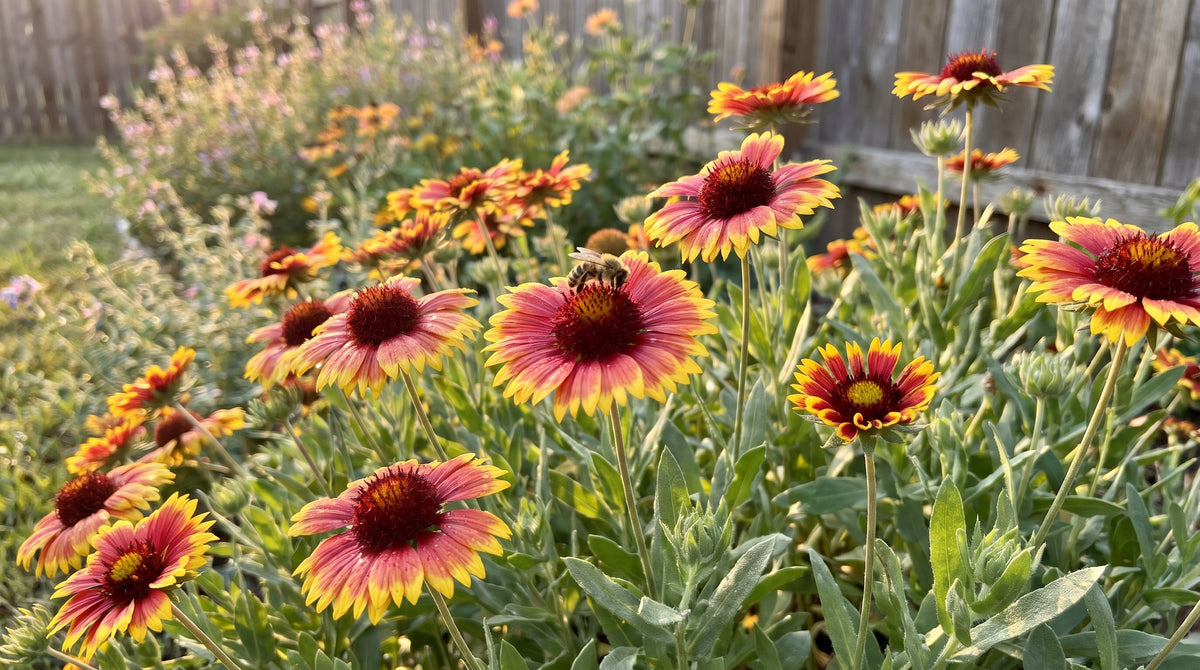
Red and yellow blanket flowers in full bloom in a sunny garden border, with a bee on one flower

How to Grow Blanket Flower from Seed

Updated November 2026

Blanket flower (Gaillardia) is a tough wildflower native to North America, with daisy-like blooms in fiery red and gold. The petals are often banded red at the base and tipped in yellow around a red-brown center, and the plants keep flowering from early summer into fall while bees and butterflies come and go. It thrives on heat, drought, and the kind of poor, sandy soil where fussier flowers struggle.

Two species are commonly grown from seed: the perennial common blanket flower (Gaillardia aristata) and the annual Indian blanket flower, or firewheel (Gaillardia pulchella). Nurseries also sell hybrids of the two (Gaillardia x grandiflora, such as 'Arizona Sun'), but this guide sticks to the species and walks you through growing blanket flower from seed.

Best tip

Treat blanket flower like the prairie wildflower it is: full sun, lean, fast-draining soil, and no fertilizer. Then cut perennials back to about 6 inches in late summer. Lean living keeps it compact and blooming, and the haircut can improve its winter odds.

At a glance

How to Grow Blanket Flower from Seed — growing specifications at a glance
Botanical nameGaillardia aristata, Gaillardia pulchella
Plant typePerennial (G. aristata) or annual (G. pulchella)
USDA zones3 to 8 (G. aristata); annual in any zone (G. pulchella)
SunFull sun
Days to maturityAbout 3 months (annual); perennials may wait a year
Height1 to 3 feet, depending on species
Spacing12 to 24 inches
WaterKeep seedlings moist; low once established

When to plant

When to plant blanket flower seeds comes down to your winters. In most gardens, the simplest plan is to sow outdoors in spring, once the danger of frost has passed and the soil has warmed. For earlier flowers, start seeds indoors 4 to 8 weeks before your last frost. Give perennial Gaillardia aristata the longer end of that window, so it has a chance to bloom its first summer.

Match the timing to your region. In the North (zones 3 to 5), stick with spring sowing, which gives a more even stand there than fall planting. Across the Deep South and Gulf Coast, sow Indian blanket in early to mid fall. The seedlings root in over winter, shrug off freezes into the low 20s, and start flowering in spring. In the desert Southwest, you can sow anytime from fall through spring, then water young plants until they settle in.

How to plant

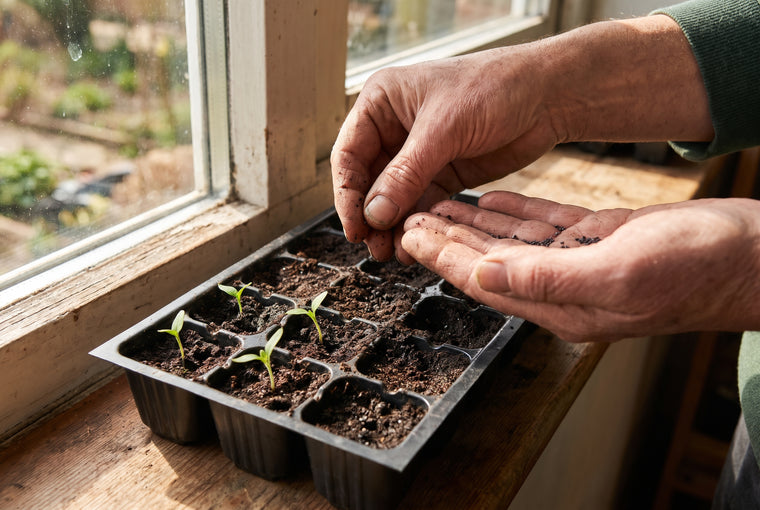
Here is how to plant blanket flower seeds for a quick, even stand. Choose a spot in full sun with loose, well-drained soil. Lean, sandy, or gravelly ground suits it best, while rich, heavily amended beds give you big, floppy plants with few flowers. Rake the surface smooth, scatter the seed, and press it in firmly, covering it with no more than 1/8 inch of fine soil. Light helps, and it is always better to sow too shallow than too deep. The bristly seeds tend to clump, so mix them with a little dry sand to spread them evenly.

Keep the seedbed constantly moist until sprouts appear, usually in 1 to 3 weeks in warm soil around 70 degrees. Indoors, sow into cells of moist seed-starting mix on a sunny windowsill or under lights. Thin or transplant to 12 to 24 inches apart, and if a transplant is already blooming, pinch the flowers off so it can put down roots before it blooms again.

Sprinkle blanket flower seeds over moist mix on a sunny windowsill, then barely cover them.

Growing and care

Blanket flower care comes down to restraint. Water young plants regularly until they are growing strongly, then ease off. Established plants are drought tolerant and need a drink only during long, hot dry spells. Skip the fertilizer and rich compost, which make plants sprawl and bloom less, and keep mulch pulled back from the base so the crown stays dry. What it will not forgive is soggy, heavy soil.

Deadhead faded flowers through summer to keep new buds coming. With perennial types, cutting plants back to about 6 inches in late summer may improve their odds of making it through winter, and drainage matters even more, since they rarely survive winter in heavy clay. Perennial blanket flowers are often short-lived in gardens anyway, so let a few late flowers set seed. The volunteers that pop up will carry your patch forward.

The best companion plants

Blanket flower pairs best with other tough, sun-loving plants that like lean soil and light watering.

  • Purple coneflower: thrives in the same sun and dry soil, and its rosy petals cool down the hot reds and golds.
  • Coreopsis: another easy, long-blooming prairie daisy that keeps the yellows going all summer.
  • Salvia: upright blue or violet spikes contrast with the round flowers and want the same light watering.
  • Yarrow: flat flower clusters and ferny leaves on a plant just as happy in poor, dry ground.
  • Little bluestem: a native bunchgrass whose fine texture sets off the bold blooms.

Avoid planting blanket flower among thirsty, heavily fed neighbors, such as in an irrigated vegetable bed or beside a sprinkled lawn, where rich, wet soil makes it flop and rot.

Wear gloves when handling blanket flower. Its fuzzy leaves and stems can irritate the skin of sensitive people.

Harvest

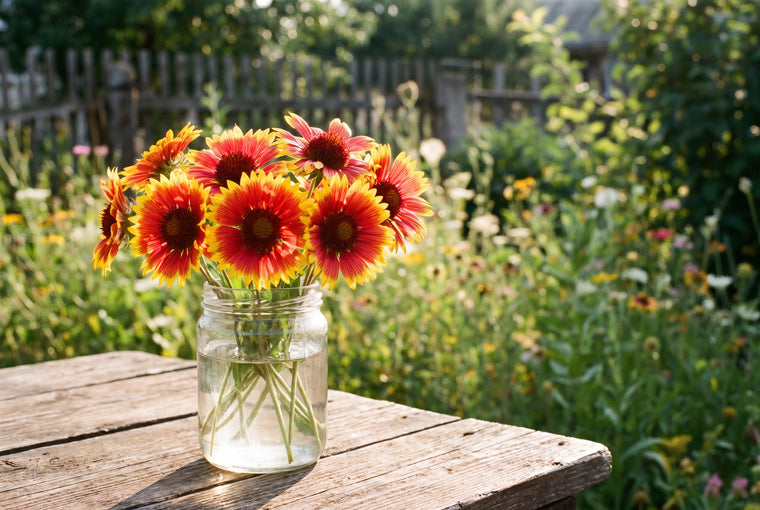
For bouquets, cut blanket flowers early in the morning, when the stems are full of water, choosing blooms that have just opened fully. Carry a bucket of water and plunge the stems in as you go, stripping any leaves that would sit below the waterline. Picking works like deadheading, so the more you cut, the more buds follow. Wear gloves if your skin is sensitive, because the fuzzy stems can irritate.

To save seed, leave a few of your best flowers on the plant. The head is ripe when the petals have fallen and it has dried into a gray, bristly ball that sheds seed at a touch. Snip the heads into a paper bag and spread the seed out to dry so it does not mold. Indian blanket seed, dried and refrigerated, keeps for up to four years. The two species can cross with each other and with hybrids, so grow just one kind if you want seed that comes true.

Uses

Blanket flower shines in the spots where thirstier flowers give up. Grow it in sunny borders, cottage and rock gardens, meadow plantings, and big containers, or on hot, dry slopes and sandy coastal sites, where Indian blanket tolerates salty soil. It is a natural for waterwise gardens and low-water zones.

It is also a pollinator favorite. Bees, including specialist native bees, work the flowers all season, butterflies come for the nectar, and goldfinches pick at the seed heads if you leave a few standing into fall. The taller plants make cheerful, casual cut flowers for the kitchen table. Indian blanket even carries some state pride: Oklahoma named it the official state wildflower in 1986.

Fresh-cut blanket flowers make a bright, easy bouquet for the table.

Common problems

  • Root and crown rot: lower stems turn tan to dark brown and rot, usually in wet, heavy, or poorly drained soil. Plant in fast-draining ground, water sparingly, and keep mulch off the stems.
  • Floppy plants with few flowers: a sign of rich soil, extra fertilizer, or too much shade. Grow it lean and in full sun.
  • Aster yellows: stunted plants, yellowish new growth, and odd flowers with greenish petals. Leafhoppers spread it and there is no cure, so pull infected plants promptly before it reaches neighbors like coneflowers.
  • Powdery mildew and leaf spots: a white coating or brown spots in humid, crowded beds. Space plants for airflow, water the soil instead of the leaves, and pick off affected foliage.
  • Plants that vanish after a few years: that is common with perennial types, especially in heavy soil. Let some seed drop each year so new plants take over.

Frequently asked questions

Is blanket flower a perennial or an annual?

It depends on the species. Gaillardia aristata is a perennial hardy to about zone 3. Indian blanket flower (Gaillardia pulchella) is an annual, though it can act as a short-lived perennial in warm coastal areas. Both reseed readily.

Is blanket flower deer resistant?

Mostly, yes. Deer usually leave blanket flower and its fuzzy, hairy foliage alone, and extension services list it as deer resistant. That is no guarantee, though. Hungry deer will still browse it now and then, so protect young plants where pressure is heavy.

When should I plant blanket flower seeds?

Sow outdoors after your last spring frost, or start seeds indoors 4 to 8 weeks earlier. On the Gulf Coast and in the Deep South, early to mid fall sowing works well for Indian blanket, and desert gardeners can sow from fall through spring.

Does blanket flower need cold stratification?

No. USDA notes that blanket flower seed needs no cold stratification. Sow it shallow in warm soil, keep it moist, and expect seedlings in 1 to 3 weeks. Germination can be uneven, so sow a little extra seed and thin later.

Does blanket flower spread?

Mostly by seed. Both species self-sow, and Indian blanket can reseed aggressively, especially in loamy soil, while Gaillardia aristata can turn weedy in some spots. Deadhead before the seed ripens to keep plants where you want them.

Should you deadhead blanket flower?

Yes, for the longest show. Snipping spent blooms keeps new buds coming and can help perennial plants live longer. Late in the season, let a few heads ripen so you get volunteer seedlings and a treat for the goldfinches.

Ready for a summer of red and gold? Browse our heirloom, non-GMO flower seeds.

Maxim Kaufman, Founder and CEO of Organo Republic

By Maxim Kaufman — Founder & CEO, Organo Republic

Maxim founded Organo Republic in 2017 and personally selects and supervises the quality control of the heirloom, non-GMO varieties the company offers. Under his leadership, Organo Republic was named Agri Business Review’s Top Non-GMO Seed Variety Solution 2026.

Stay Connected

Join Our Garden Community

Daily garden inspiration, how-to videos & behind-the-seeds stories.