Home / Growing Guides / How to Grow Muncher Cucumber from Seed
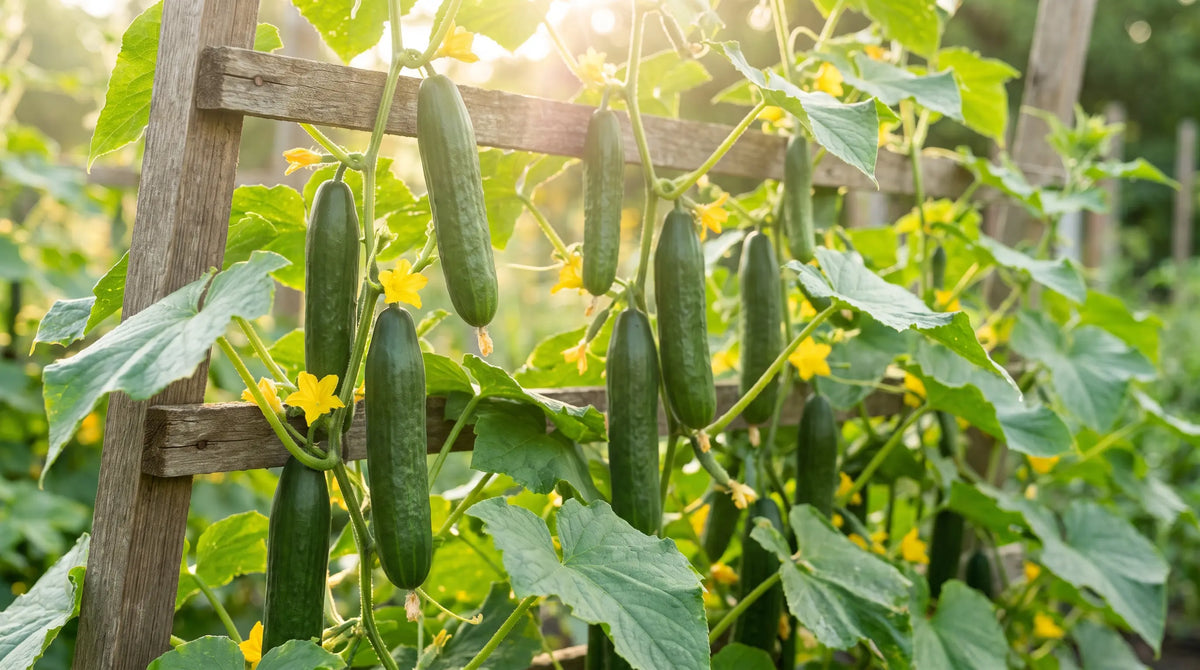
Healthy Muncher cucumber vine with long green cucumbers climbing a trellis in a sunny garden

How to Grow Muncher Cucumber from Seed

Updated October 2026

Muncher is a crisp, burpless heirloom slicing cucumber (Cucumis sativus) prized for its thin, tender skin and sweet, never-bitter flavor. If you want to learn how to grow Muncher cucumber from seed, you are in good company, because it is one of the easiest and most forgiving cucumbers for a family garden. Pick the fruit small for snacking or let it reach eight inches for salads and sandwiches, and a single healthy vine will keep your kitchen stocked all summer.

Best tip

Grow Muncher straight up a trellis. Vertical vines dry faster after rain so they dodge mildew, the fruit hangs clean and straight instead of curling on the ground, and you will find every cucumber before it turns into a yellow softball.

At a glance

How to Grow Muncher Cucumber from Seed — growing specifications at a glance
Botanical nameCucumis sativus
Plant typeAnnual vegetable (vining)
USDA zones3 to 11 (grown as an annual)
SunFull sun
Days to maturity55 to 65 days
Height5 to 7 feet on a trellis
Spacing12 inches apart
Water1 to 2 inches a week

When to plant

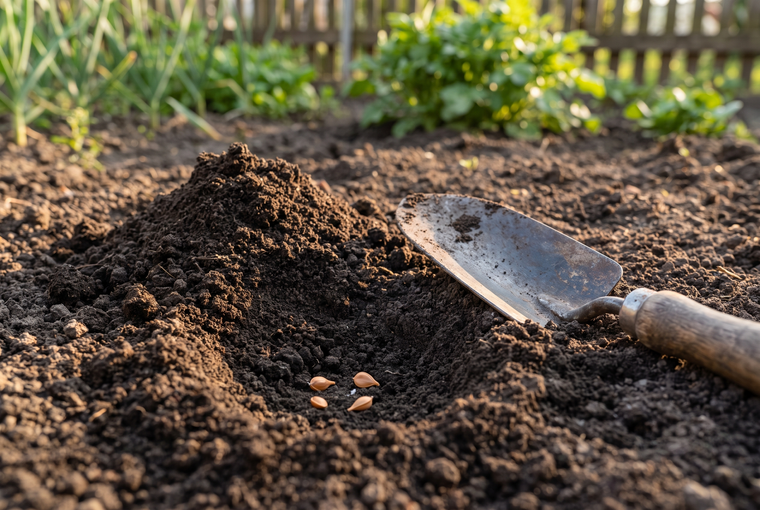
Cucumbers are warm-season plants that hate cold soil, so wait until all danger of frost has passed and the soil has warmed to at least 65 to 70 degrees. In most of the country that means sowing one to two weeks after your last spring frost, usually mid to late May. You can direct sow right where the plants will grow, which cucumbers prefer, or start seeds indoors about three weeks early in peat or paper pots if your season is short.

Gardeners in the Upper Midwest and New England, where summers are brief, do well to start indoors and warm the soil with black plastic or row covers before transplanting. In the Deep South and the desert Southwest, you can sow in early spring and again in midsummer for a fall crop, skipping the hottest weeks when extreme heat can stress the vines.

How to plant

Plant Muncher in full sun and rich, well drained soil that you have loosened and mixed with a few inches of compost. Sow the seeds half an inch to one inch deep. On the ground, space plants 12 inches apart in rows three to four feet apart, or plant in hills of two or three seeds spaced 36 inches apart and thin to the strongest seedling. Along a trellis or fence, set plants about a foot apart.

Water gently after sowing and keep the soil evenly moist, never soggy, until the seedlings emerge. In warm soil, seeds sprout in 7 to 10 days. Once seedlings have a couple of true leaves, thin to the final spacing so the keepers have room to breathe. A trellis is the single best upgrade you can make, since vertical vines get more air and sun, stay cleaner, and make the fruit easy to spot and pick.

Young Muncher cucumber seedlings climbing a garden trellis in rich, mulched soil.

Growing and care

Cucumbers are mostly water, so steady moisture is the key to crisp, sweet fruit. Give the plants one to two inches of water a week, more in a heat wave, and water at the base in the morning to keep the leaves dry. A two inch layer of straw or shredded leaf mulch holds moisture in the soil and stops dirt from splashing up onto the foliage.

Feed lightly with compost at planting, then side dress with a balanced fertilizer once the vines start to run and again when the first flowers appear. Go easy on nitrogen, because too much gives you lush leaves and very few cucumbers. Train the vines up a trellis as they grow, tucking the tendrils onto the support every few days, and pinch off the growing tip once the vine reaches the top to push energy into the fruit.

The best companion plants

Cucumbers grow happily alongside plants that feed the soil, deter pests, or pull in pollinators.

  • Beans: fix nitrogen in the soil, which feeds the hungry cucumber vines.
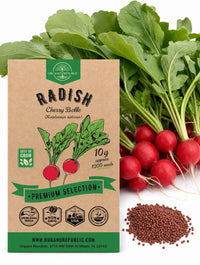
  • Radishes: a classic trap crop that lures cucumber beetles away from your vines.
  • Nasturtiums: attract pollinators and draw aphids and beetles off the cucumbers.
  • Dill: brings in beneficial insects like ladybugs and lacewings that eat pests.
  • Corn: tall stalks offer light shade and a natural living support for the vines.

Keep cucumbers away from potatoes and from strong aromatic herbs like sage, which can crowd the roots and slow the vines.

Harvest

Muncher is ready to pick about 55 to 65 days from sowing. For snacking and quick pickles, harvest when the fruit is three to five inches long, or let it grow to a full seven or eight inches for slicing. The skin should be firm and bright green with no yellowing.

Pick often, every one to two days at peak season, because a vine left holding mature fruit slows down and stops setting new cucumbers. Cut the stem with scissors or snap it cleanly instead of pulling, which can tear the vine. The more you harvest, the longer and heavier your crop will run.

Uses

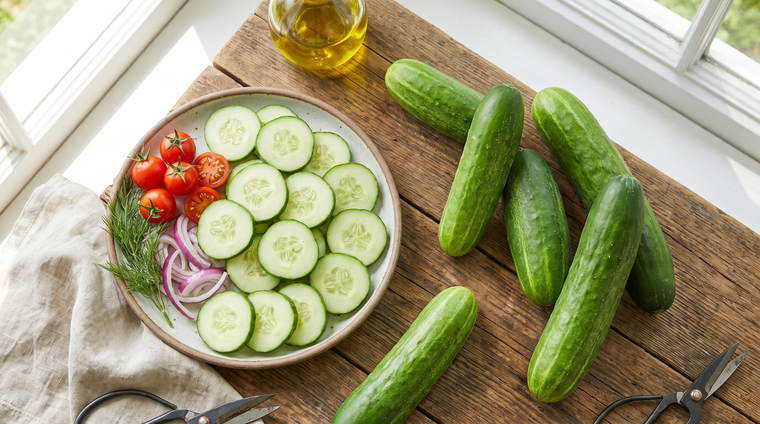
Muncher earns its name as a fresh eating cucumber. The thin, tender skin means no peeling, and the flesh stays crisp and mild in salads, layered on sandwiches, or sliced into a pitcher of cold water with a sprig of mint. Picked small, the fruit makes crunchy refrigerator pickles. The bright yellow flowers draw bees and other pollinators into the garden, which helps every crop nearby, and the climbing vines make quick, pretty cover for a trellis or garden arch.

Freshly harvested Muncher cucumbers, whole and sliced, ready for a summer salad.

Common problems

  • Cucumber beetles: these yellow and black pests chew leaves and can spread bacterial wilt. Cover young plants with floating row cover until they flower, then hand pick any beetles you see.
  • Powdery mildew: a white, dusty coating on the leaves in humid weather. Space plants for good airflow, grow them vertically, and water at the base rather than overhead.
  • Bitter or misshapen fruit: usually a sign of uneven watering or heat stress. Keep the soil consistently moist and mulched, and harvest regularly so the vine keeps producing.
  • Poor fruit set: often means too few pollinators. Plant flowers nearby to invite bees, or hand pollinate by dabbing pollen from a male bloom into a female bloom in the early morning.

Frequently asked questions

When should you plant muncher cucumber seeds?

Wait until all danger of frost has passed and the soil is at least 65 degrees, usually one to two weeks after your last spring frost. In cold-summer regions, start seeds indoors about three weeks early to get a head start.

Is the Muncher cucumber burpless and bitter-free?

Yes, Muncher is a burpless, thin-skinned slicer bred to stay sweet and free of bitterness, which is its main selling point. Keeping the soil evenly moist helps the fruit stay mild, since uneven watering and heat stress are what usually turn cucumbers bitter.

How many days to maturity for Muncher cucumbers?

Muncher is ready to pick about 55 to 65 days from sowing. The seeds themselves sprout in about 7 to 10 days in warm soil around 70 degrees.

Should you trellis Muncher cucumbers?

Trellising is the single best upgrade for Muncher. Growing it vertically gives the vines more air and sun so they dodge mildew, the fruit hangs clean and straight, and every cucumber is easy to spot and pick.

What size do you pick Muncher cucumbers?

Pick Muncher at three to five inches for snacking and quick pickles, or let it reach a full seven to eight inches for slicing. The skin should be firm and bright green with no yellowing.

How do you keep cucumbers producing all season?

Harvest often, every one to two days at peak season, because a vine left holding mature fruit slows down and stops setting new cucumbers. Cut or snap the stem cleanly rather than pulling, and keep the plants evenly watered.

Ready to grow your own? Explore our heirloom, non-GMO cucumber seeds.

Maxim Kaufman, Founder and CEO of Organo Republic

By Maxim Kaufman — Founder & CEO, Organo Republic

Maxim founded Organo Republic in 2017 and personally selects and supervises the quality control of the heirloom, non-GMO varieties the company offers. Under his leadership, Organo Republic was named Agri Business Review’s Top Non-GMO Seed Variety Solution 2026.

Stay Connected

Join Our Garden Community

Daily garden inspiration, how-to videos & behind-the-seeds stories.