


How to Grow Chamomile From Seed
Updated July 2026
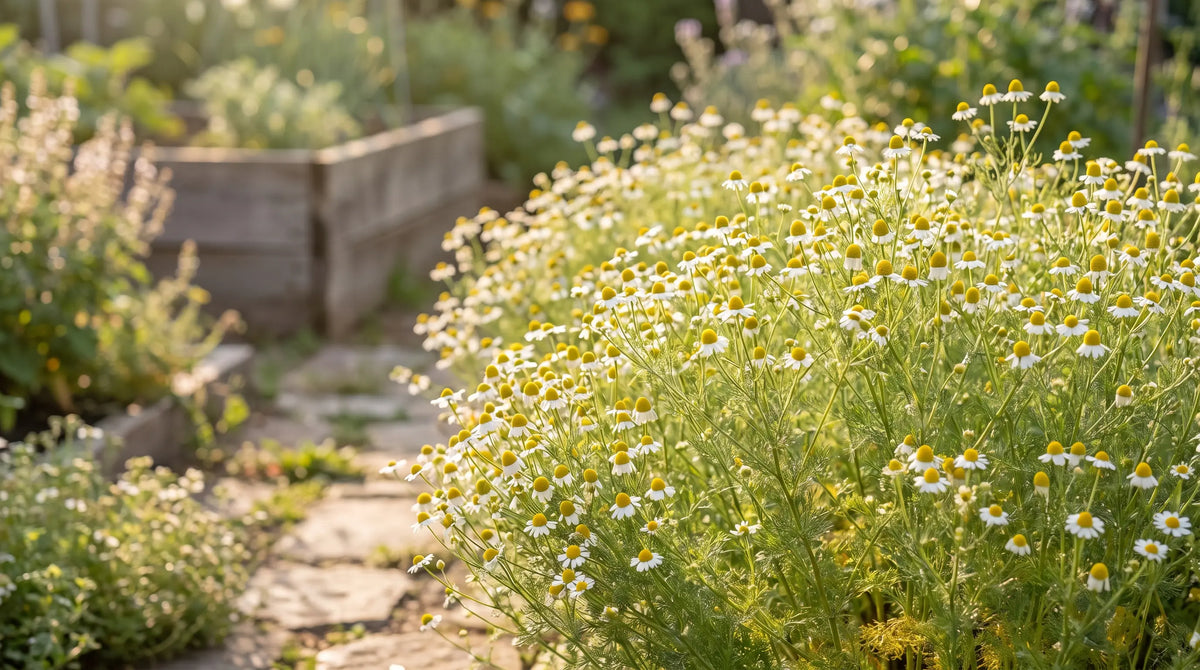
Chamomile (Matricaria recutita) is a beginner-friendly herb that hands you cheerful little daisy-like flowers all summer for a soothing homemade tea. It is easygoing, drought-tolerant, happy in a bed or a pot, and it reseeds itself year after year. The one trick worth knowing: the tiny seeds need light to sprout, so you scatter them right on the surface and do not bury them. Here is how to grow chamomile from seed, start to finish.
Into herbal teas and remedies? Our medicinal and tea herb seeds variety pack collects the classic tea and medicinal herbs in one set.
Best tip
At a glance
 Botanical name Botanical name | Matricaria recutita (German chamomile) |
|---|---|
 Plant type Plant type | Annual herb (self-seeding) |
 USDA zones USDA zones | 2 to 11 (grown as a warm-season annual) |
 Sun Sun | Full sun to light shade |
 Days to maturity Days to maturity | 60 to 65 days to first flowers |
 Height Height | 20 to 24 inches |
 Spacing Spacing | Thin to 6 to 8 inches |
 Water Water | Moderate; let the top inch dry out |
When to plant
How to plant
Growing and care
Sale

Mycorrhizal Fungi GranulesFeeds roots naturallyMix a little into the bed to boost chamomile's roots.
Price$39.99Starting at$29.99
The best companion plants
Sale

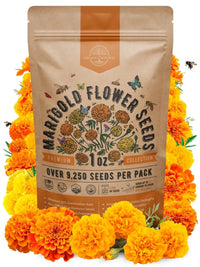
Marigold Seeds PackPest-deterring companionBright marigolds nearby draw hoverflies and help deter pests around chamomile.
Price$12.99Starting at$8.99
Sale

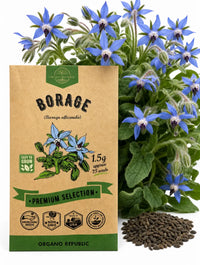
Borage Seeds – Non-GMO HeirloomPollinator companionBorage's blue flowers pull bees and pollinators into the herb bed.
Price$5.99Starting at$4.99
Sale

Nasturtium Seeds for Sale – Non-GMO HeirloomLiving-mulch companionTrailing nasturtium works as living mulch and a trap crop for aphids.
Price$14.99Starting at$6.99
Sale

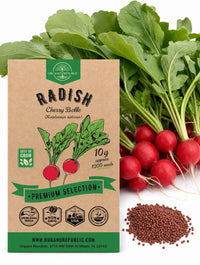
Cherry Belle Radish Seeds – Non-GMO HeirloomQuick-fill companionFast radishes fill gaps and loosen the soil while chamomile settles in.
Price$4.99Starting at$3.99
Harvest
Uses
Common problems
Frequently asked questions
Is chamomile an annual or a perennial?
It depends on the type. German chamomile (Matricaria recutita), the kind most often grown for tea, is an annual that readily self-sows, so it often reappears each year. Roman chamomile is a low-growing perennial. Either way, once it settles in you rarely need to replant.
Do chamomile seeds need light to germinate?
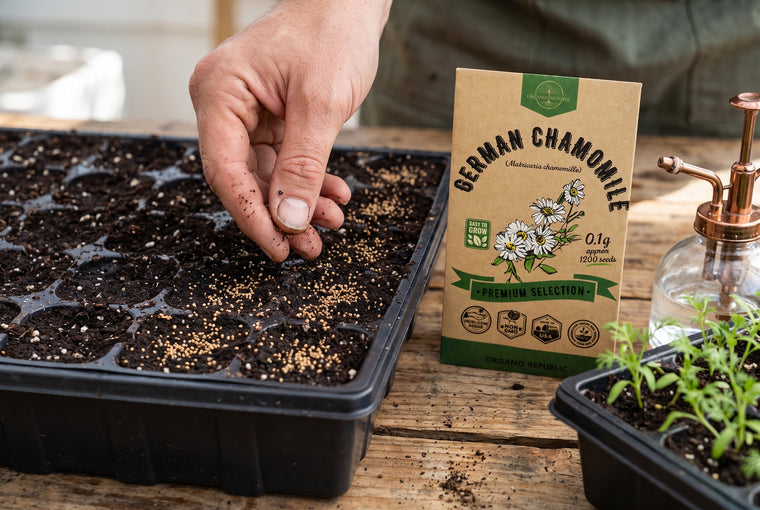
Yes. Chamomile seeds are tiny and need light to sprout, so surface-sow them and press gently into moist soil without covering. Keep them at about 65 to 70F and evenly moist, and seedlings usually appear in 7 to 14 days.
How do you harvest and dry chamomile flowers?
Pick the flower heads on a dry morning once the white petals are fully open and the yellow center is domed. Pinch or comb them off, spread them in a single layer somewhere warm, dry, and airy out of direct sun, and let them dry until papery. Store in an airtight jar.
Does chamomile come back every year?
Often, yes. German chamomile is an annual but drops seed freely and usually reseeds itself into a fresh patch the next season. Leave a few flowers to mature and scatter their seed, or collect and resow it where you want it.
Can you grow chamomile in a pot?
Yes, chamomile does well in containers. Use a wide pot with drainage, a light well-draining mix, and place it in full sun. It stays compact and keeps the flowers within easy reach for picking, which makes it ideal for a patio or balcony herb garden.
How do you make chamomile tea from your own flowers?
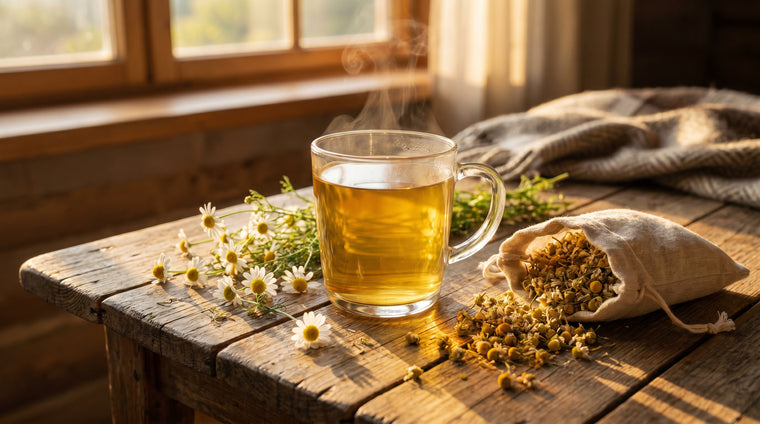
Use about a tablespoon of fresh flowers or a teaspoon of dried per cup. Pour over just-boiled water, cover, and steep for about 5 minutes, then strain. It is a classic, gently floral herbal cup traditionally enjoyed in the evening.
Sale

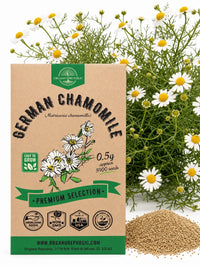
German Chamomile Seeds – Non-GMO HeirloomHeirloom, non-GMOHeirloom, non-GMO German chamomile for a steady supply of tea flowers.
Price$4.99Starting at$3.99
Want more than chamomile? These value sets all include chamomile seeds, plus many more herbs and flowers:
Sale

Medicinal & Tea Herb Seeds Variety Pack – Non-GMO Heirloom35 varieties, chamomile included35 tea and medicinal herbs in one kit, chamomile included.
Price$22.99Starting at$16.99
Sale

Herb & Vegetable Seeds Variety Pack – Non-GMO Heirloom75 varieties, chamomile includedOur biggest all-in-one garden kit, 75 herbs and veggies with chamomile.
Price$63.99
Sale Price$59.99

- Choosing a selection results in a full page refresh.









 Easy Returns 30-day guarantee