FREE SHIPPING ON ORDERS OVER $49 📦

By Maxim Kaufman — Founder & CEO, Organo Republic
Updated October 2026
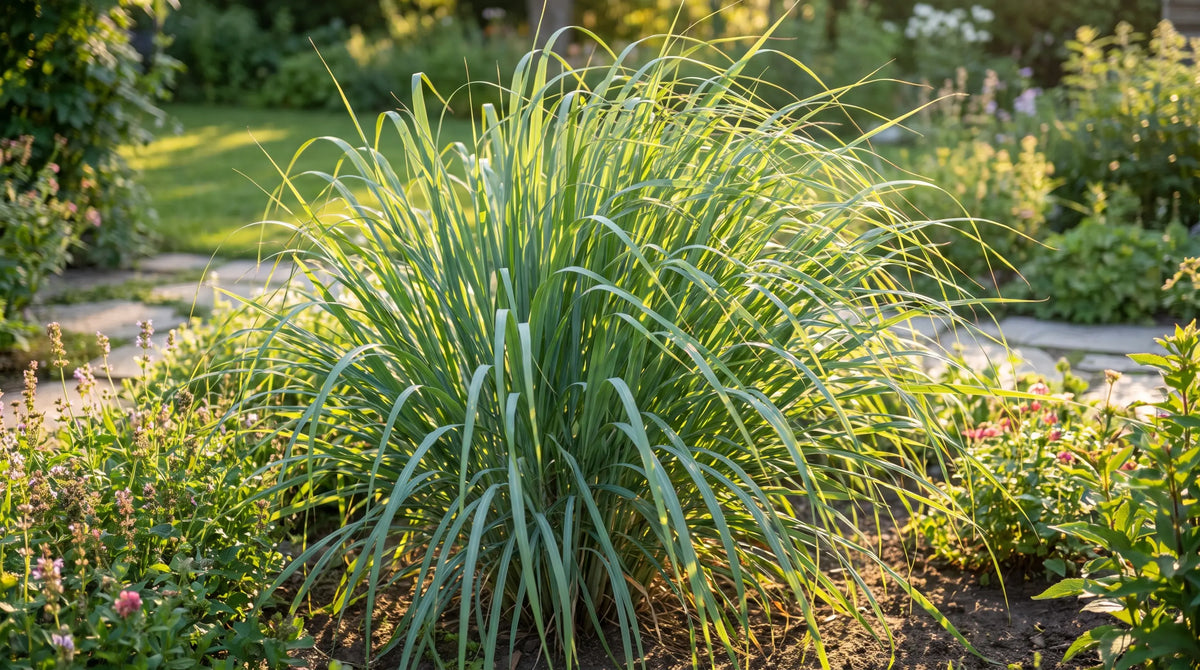
Lemongrass (Cymbopogon citratus) is a tall, clump-forming tropical grass with a bright lemon-and-ginger scent that flavors teas, curries, and soups across Southeast Asia. Learning how to grow lemongrass from seed gives you an endless supply of fresh stalks for the kitchen and fragrant foliage that smells wonderful when you brush past it in the garden. It suits any gardener with a sunny spot, a little patience for its slow seeds, and a love of fresh herbs, and it thrives just as happily in a big pot on a patio as in a warm garden bed.
Best tip
Once you have one healthy clump, you rarely need to buy seed again. Pull a fresh stalk with its base still attached, stand it in a glass of water on a sunny windowsill, change the water every few days, and in two to three weeks it grows its own roots and becomes a free new plant.
| Cymbopogon citratus | |
| Tender perennial herb | |
| 9 to 11 (grown as an annual elsewhere) | |
| Full sun | |
| 75 to 100 days from transplant | |
| 3 to 6 feet | |
| 24 to 36 inches | |
| About 1 inch a week |
Lemongrass loves heat and has a long season, so most gardeners start it indoors rather than sowing outside. Sow seeds 6 to 8 weeks before your last expected spring frost. The seeds are slow and a little unpredictable, so starting early indoors gives them the warm, steady conditions they need.
Wait to move plants outdoors until all danger of frost has passed and nighttime temperatures stay reliably above 50 degrees. Lemongrass stalls in cold soil, so there is no rush. In warm regions like south Florida, the Texas Gulf Coast, coastal Southern California, and the Deep South, lemongrass is a true perennial you can leave in the ground to return bigger each year. Gardeners in the Midwest, New England, and the Pacific Northwest should treat it as an annual or grow it in a large pot that comes indoors before the first frost.
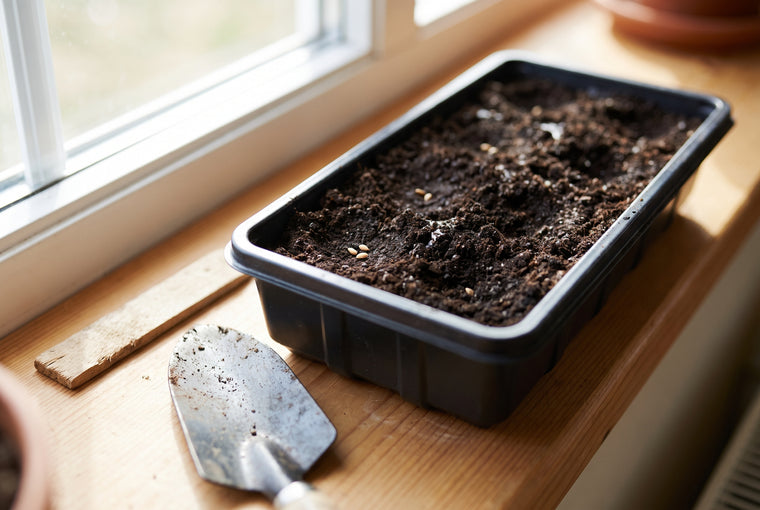
Fill trays or small pots with a light seed-starting mix and moisten it well. Sow the seeds shallow, about 1/4 inch deep, and barely cover them, since a little light seems to help them sprout. Set the trays somewhere warm, ideally 70 to 85 degrees, because bottom heat from a seedling mat speeds things up a lot. Keep the surface evenly moist but not soggy while you wait, which can take anywhere from 14 to 40 days.
Once seedlings have a few blades and outdoor nights are warm, harden them off over a week and transplant into full sun. Lemongrass wants rich, well-draining soil that stays reasonably moist, with a slightly acidic to neutral pH. Space plants 24 to 36 inches apart, because each one grows into a wide clump. In containers, give a single plant a pot of at least 5 gallons so the roots have room to spread.

Lemongrass is a grass, which means it drinks and feeds heavily. Water regularly so the soil never fully dries out, roughly 1 inch a week and more during heat waves or for plants in pots. A monthly dose of a nitrogen-rich fertilizer keeps the blades green and the clump pushing out new stalks. A layer of mulch helps hold moisture and keep the roots cool.
The clumps expand fast. Every couple of years you can dig one up in spring and split it into smaller divisions to share or replant. No staking is needed, but give each plant elbow room so air moves through the foliage.
In zones 9 and warmer, lemongrass overwinters outdoors, though you may want to cut it back and mulch it. In colder areas, dig up a clump before frost, pot it, trim the tops to about 6 inches, and keep it by a bright window where temperatures stay above 40 degrees. Water sparingly through winter and move it back outside once spring nights warm up.
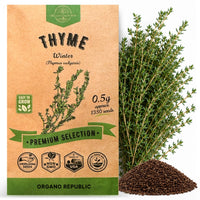
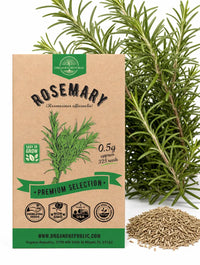
Lemongrass is a big, thirsty grass, so pair it with plants that enjoy the same warm, sunny, well-watered conditions. - Basil: loves the same heat and sun, and the two fragrances pair naturally in both the garden and the kitchen. - Cilantro: another Southeast Asian kitchen staple that appreciates the light afternoon shade a tall clump can cast. - Mint: happy in the same moist soil, though it is best kept in its own pot so it does not take over. - Marigolds: easygoing, cheerful companions that draw beneficial insects to the herb bed. - Peppers: chilis and sweet peppers share the heat and water needs and round out the same dishes. Keep lemongrass away from lean, dry-loving herbs like rosemary and thyme, which want the opposite of its rich, moist soil.
You can start harvesting once the stalks are about 1/2 inch thick at the base and the plant is at least a foot tall, usually 3 to 4 months after transplanting. Harvest the outer, more mature stalks first and let the center keep growing. Grip a stalk low and twist and pull, or cut it right at ground level.
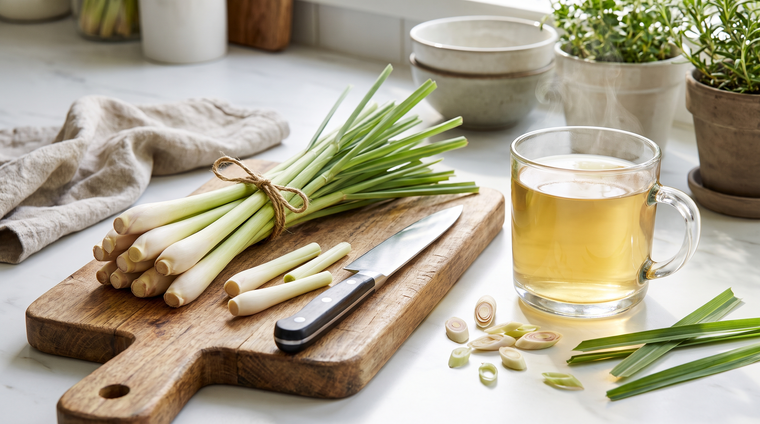
The prize is the tender, pale lower few inches and the white swollen base, which is what you slice, bruise, or mince for cooking. Save the tough green upper blades too, since they make a fragrant tea when steeped and strained. Wear gloves when you harvest, because the leaf edges are sharp enough to give you a small nick. Take stalks as you need them all season, and cut a bigger batch before your first frost. Lemongrass freezes beautifully, so you can stash trimmed stalks in a bag for winter cooking.
In the kitchen, lemongrass is a cornerstone of Thai, Vietnamese, and Indonesian cooking. The bruised or minced white base flavors curries, stir-fries, marinades, and brothy soups like tom yum, and the stalks and leaves steep into a bright, citrusy tea served hot or iced. Trimmed stalks freeze or dry well, so a summer harvest can season your cooking all year.
In the garden, the arching blue-green clumps look handsome in a big container on a patio or at the back of a sunny bed. Many gardeners plant lemongrass near seating areas simply to enjoy its fresh citrus scent when a hand or a breeze brushes the leaves.

Is lemongrass a perennial?
Yes, it is a tender perennial that lives for years in USDA zones 9 to 11. In colder regions it is grown as an annual, or potted up and brought indoors over winter.
Is lemongrass safe for dogs and cats?
The lemongrass herb is a common food for people, but cats, dogs, and horses can get an upset stomach from chewing on the fibrous blades, which are also sharp enough to nick skin. Grow it where curious pets will not graze, and wear gloves when you harvest.
How do you harvest lemongrass?
Harvest once the stalks are about 1/2 inch thick at the base, usually 3 to 4 months after transplanting. Grip an outer stalk low and twist and pull, or cut it at ground level, and use the tender, pale lower few inches. Wear gloves, since the leaf edges are sharp.
How long does lemongrass take to grow from seed?
Seeds are slow, sprouting in 14 to 40 days on a warm 70 to 85 degree heat mat, and plants are ready to harvest about 75 to 100 days after transplanting. Starting indoors 6 to 8 weeks before your last frost gives them the long, warm season they need.
Can you grow lemongrass in a pot?
Yes, lemongrass does well in a large container of at least 5 gallons, which also makes it easy to bring indoors before frost in cold regions. Keep the soil evenly moist, since potted plants dry out faster, and give it full sun.
Does lemongrass come back every year?
In USDA zones 9 to 11 lemongrass overwinters and returns bigger each year. In colder areas it is grown as an annual, though you can dig and pot a clump, trim it to about 6 inches, and keep it by a bright window until spring.
Ready to grow your own? Explore our heirloom, non-GMO herb seeds and start a fragrant herb garden this season.
By Maxim Kaufman — Founder & CEO, Organo Republic
Maxim founded Organo Republic in 2017 and personally selects and supervises the quality control of the heirloom, non-GMO varieties the company offers. Under his leadership, Organo Republic was named Agri Business Review’s Top Non-GMO Seed Variety Solution 2026.
Thanks for subscribing!
This email has been registered!
| Product | SKU | Description | Collection | Availability | Product type | Other details |
|---|
Your cart is empty
Add some seeds and grow something great
Price
$21.99
Starting at
$17.99
Price
$12.99
Starting at
$9.99
Price
$22.99
Starting at
$16.99
Starting at
$4.99
Lures aphids & squash bugs away from your crops
Improves neighbors' flavor, deters hornworms
Attracts ladybugs & lacewings that eat aphids
Bee magnet that boosts flowering & fruit set
Attracts hoverflies, boosts neighbors' vigor
Draws pollinators, repels moths & deer
Draws pollinators, doubles as a living trellis
Attracts butterflies, bees & ladybugs
Traps aphids, feeds beneficial insects
Brings bees, hoverflies & parasitic wasps
Its blooms feed aphid-eating hoverflies
Repels cabbage moths & carrot flies
Aromatic pest shield for veggies & vines
Draws parasitic wasps that hunt pests
Repels aphids, squash bugs & flea beetles
Ladybug & hoverfly hub for the whole bed
Keeps pollinators coming all season
Trap crop for flea beetles, protects your vines
Feeds roots for stronger, faster-growing plants
Bee balm that pulls in bees & hummingbirds
Citrus-scented bee magnet for fruiting crops
Lacy blooms that draw predatory wasps