


How to Grow Luffa From Seed
Updated July 2026
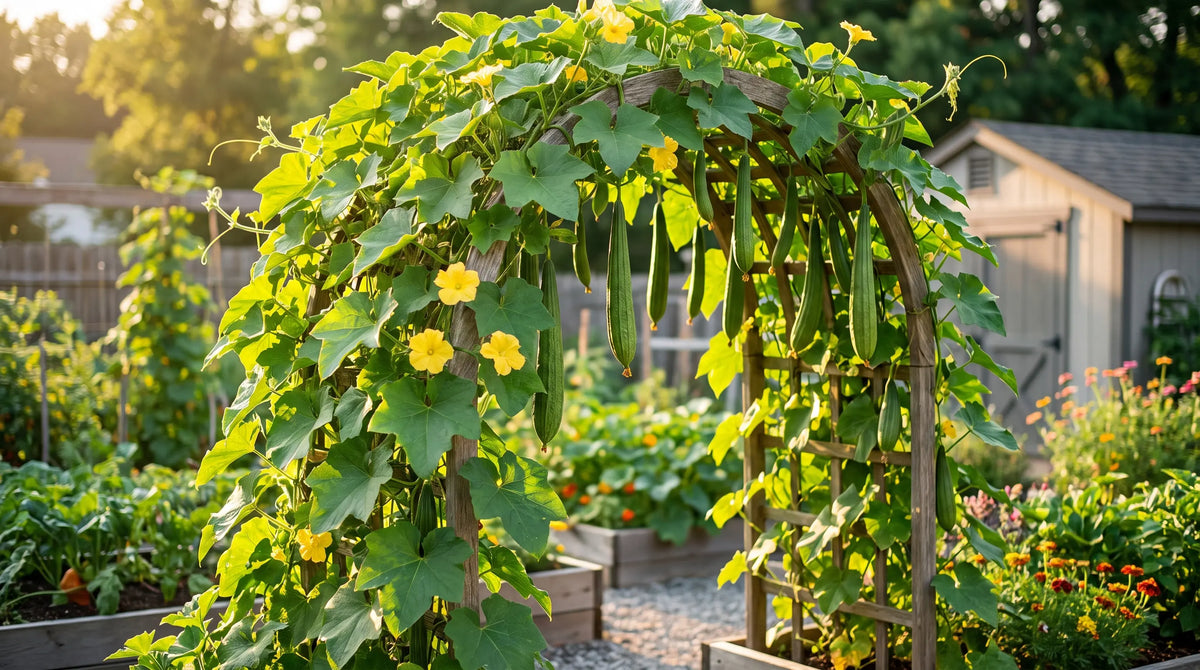
Luffa (Luffa aegyptiaca), also called loofah or sponge gourd, does two jobs from one vine: pick the gourds young and they cook up like summer squash, or let them mature and dry and you have a natural sponge for the bath and kitchen. The trade-off is time and support. It needs a long, hot season and a tall, sturdy trellis. Here is how to grow luffa from seed, start to finish.
Best tip
At a glance
 Botanical name Botanical name | Luffa aegyptiaca |
|---|---|
 Plant type Plant type | Annual vine |
 USDA zones USDA zones | 7 to 11 (start indoors if cooler) |
 Sun Sun | Full sun, 6 to 8 hours |
 Days to maturity Days to maturity | 90 to 200 days |
 Height Height | Climbs 15 to 30 feet |
 Spacing Spacing | 3 to 6 feet apart |
 Water Water | Regular; keep evenly moist |
When to plant
How to plant
Growing and care
Sale

Mycorrhizal Fungi GranulesFeeds roots naturallyMix into the planting hole to help hungry luffa roots find water and nutrients.
Price$39.99Starting at$29.99
The best companion plants
Sale

Marigold Seeds PackHeirloom, non-GMOIts scent helps deter beetles and root pests around your luffa vines.
Price$12.99Starting at$8.99
Sale

Nasturtium Seeds for Sale – Non-GMO HeirloomHeirloom, non-GMOA trap crop that lures aphids and cucumber beetles away from luffa.
Price$14.99Starting at$6.99
Sale

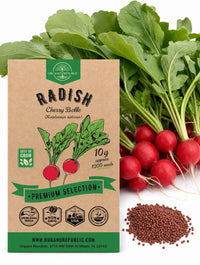
Cherry Belle Radish Seeds – Non-GMO HeirloomHeirloom, non-GMOQuick radishes help keep cucumber beetles off young vines.
Price$4.99Starting at$3.99
Sale

Borage Seeds – Non-GMO HeirloomHeirloom, non-GMOA bee magnet that boosts the pollination luffa needs to set fruit.
Price$5.99Starting at$4.99
Harvest
Uses
Common problems
Frequently asked questions
How long does luffa take to grow?
Luffa needs a long, warm season, usually 90 to 200 days depending on whether you want tender edible fruits or mature sponges. In cooler regions, start seeds indoors so the vines have enough time to finish.
Do I need to soak luffa seeds before planting?
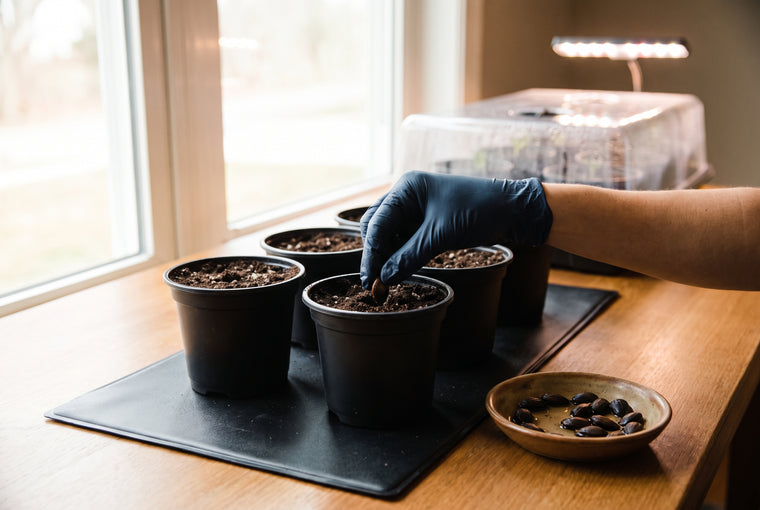
Yes. Luffa seeds have a hard coat, so soak them in warm water for about 24 hours before sowing, and optionally nick the coat with a nail file. Keep the soil at least 70F for good germination.
How much space and support does luffa need?
Luffa is a vigorous vine that can climb 15 to 30 feet and produce heavy gourds, so give it a strong trellis, fence, or arbor and space plants 3 to 6 feet apart at the base.
When do I harvest luffa for sponges versus for eating?
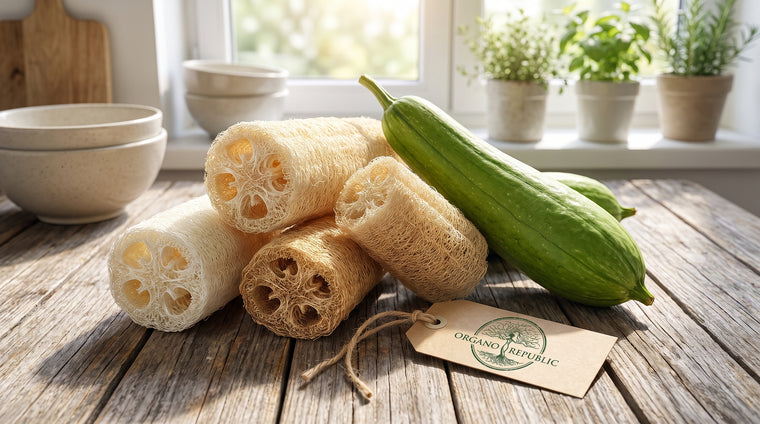
Pick young fruits at 4 to 6 inches to eat like summer squash. For natural sponges, leave the gourds on the vine until the skin turns yellow-brown, the gourd feels light, and the seeds rattle inside, then peel, rinse, and dry.
Why isn't my luffa setting fruit?
Luffa needs pollination, and the first male flowers open weeks before the females. Be patient, grow pollinator-friendly flowers nearby, and hand-pollinate with a small brush if bees are scarce.
Can I grow luffa in a short-season or cool climate?
Yes, but start seeds indoors 4 to 6 weeks before your last frost on a heat mat, then transplant after all frost has passed. Choose the warmest, sunniest spot you have and a sturdy trellis.

- Choosing a selection results in a full page refresh.





















 Easy Returns 30-day guarantee