FREE SHIPPING ON ORDERS OVER $49 📦

By Maxim Kaufman — Founder & CEO, Organo Republic
Updated October 2026
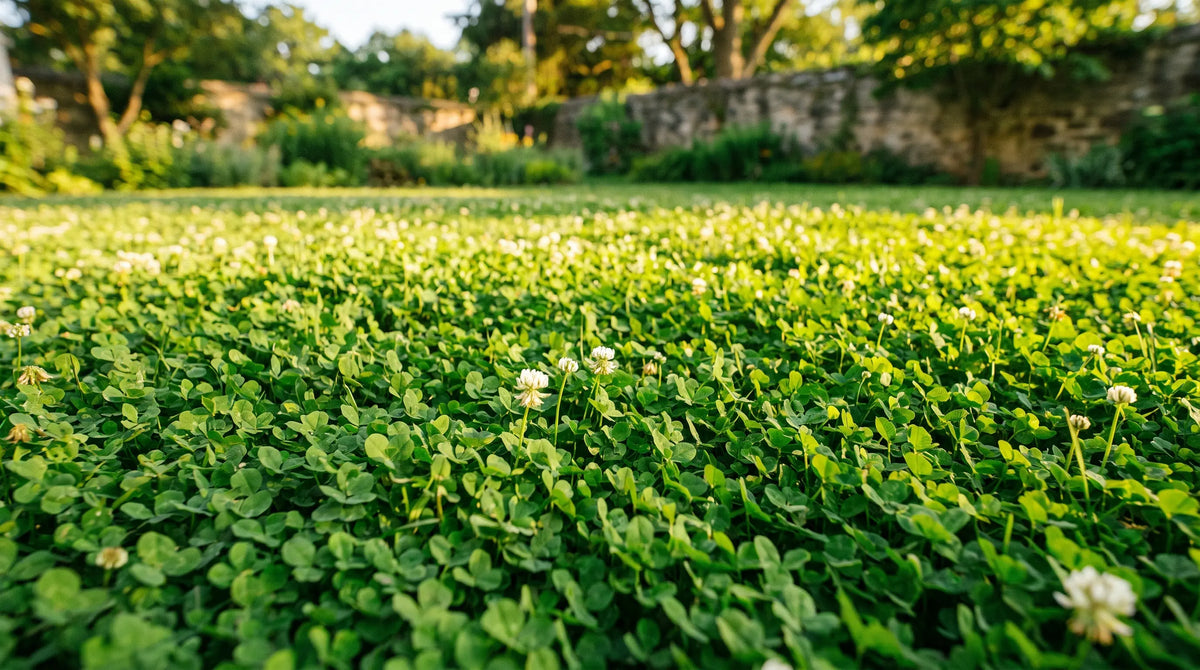
Micro clover (Trifolium repens) is a dwarf, small-leaved white clover that stays low, feeds itself, and shrugs off dry spells, which is why gardeners use it for easy-care lawns, living mulch, and nitrogen-building cover crops. If you want to learn how to grow micro clover from seed, it is one of the most forgiving things you can scatter across bare soil. It suits busy families who want a greener yard with less mowing, less watering, and no bag of fertilizer.
Best tip
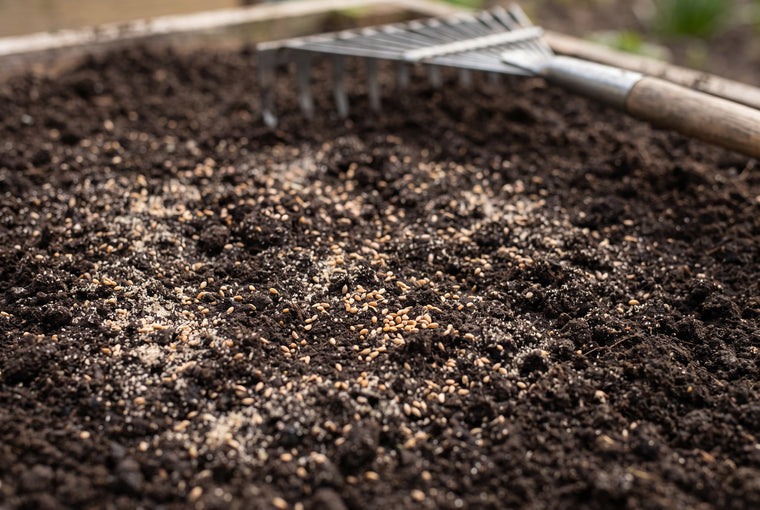
Cut the seed with dry sand before you broadcast, about one part seed to four parts sand. You will see exactly where it lands, spread it far more evenly, and avoid the thick clumps and bare gaps that come from flinging pinhead-sized seed by hand.
| Trifolium repens | |
| Perennial legume | |
| 3 to 9 | |
| Full sun to part shade | |
| Sprouts in 7 to 14 days, fills in within 2 to 3 months | |
| 4 to 6 inches | |
| Broadcast about 1/4 to 1/2 pound per 1,000 square feet | |
| About 1 inch a week while establishing |
Micro clover is a cool-season legume, so sow it when the soil is warm enough to wake the seed but not baking, around 55 to 65 degrees. In most of the country that means two good windows: spring, from a week or two after your last frost through late May, and early fall, about six weeks before your first expected frost. There is no need to start it indoors. It is a direct-sow crop that goes right where you want it, broadcast over prepared soil or raked into a thin spot in the lawn.
In the warm South, from Texas through Florida, lean on the fall window so young seedlings settle in during cooler, wetter months instead of fighting summer heat. Gardeners in the upper Midwest and New England get the strongest stands from a spring sowing once nights stay above freezing.
Clover seed is tiny, so the biggest mistake is burying it. Aim for a planting depth of about 1/4 inch, or simply press the seed into the surface so it stays in contact with moist soil and still catches light. Start with a weed-free, lightly raked bed in full sun to part shade. Clover is not fussy about soil but does best in ground that drains and sits near a neutral pH of 6 to 7.
Spread the seed at roughly 1/4 to 1/2 pound per 1,000 square feet, which is far less than it looks, since each seed is about the size of a pinhead. Mixing it with a few handfuls of dry sand helps you broadcast it evenly. After sowing, rake very lightly, press the surface with a roller or the back of a rake, and water with a gentle spray. Keep the top inch of soil consistently moist and you should see the first green sprouts in 7 to 14 days.

The best part of growing micro clover is how little it asks once it is up. Water about 1 inch a week for the first month or so to get roots down, then back off, because established clover is genuinely drought tolerant and tends to stay green through dry stretches that brown out ordinary grass.
Skip the nitrogen fertilizer entirely. Clover is a legume, so it pulls nitrogen from the air and feeds itself and its neighbors, which is the whole point of using it. If you are growing it as a lawn or in a grass blend, mow high, around 3 inches, and expect it to need cutting far less often than turf alone. Reseed any thin or bare patches in spring or fall. One firm rule: never use a broadleaf weed killer or a weed-and-feed product on an area with clover, because those are designed to kill exactly this kind of plant.
Micro clover plays well with hungry crops that appreciate the nitrogen it leaves behind, and with grasses that it can knit into a low-care lawn. - Fine fescue grasses: blend with clover for a drought-tough, self-feeding lawn that needs less mowing. - Corn: a heavy feeder that thrives following a clover cover crop turned into the bed. - Squash and pumpkins: let clover run as living mulch between hills to cool the soil and block weeds. - Tomatoes: plant them after a clover green manure has broken down to tap the stored nitrogen. - Fruit trees: an easy orchard groundcover that feeds the soil and holds moisture around the roots. One caution: keep clover away from seedbeds of slow, tiny crops like carrots, where it can quickly outcompete them.
When you grow micro clover as a cover crop or green manure, the harvest is really a cut-and-return job that hands all that stored nitrogen back to your soil. Let the stand grow thick, then cut or mow it down at or just before flowering, when the plants hold the most nitrogen. Turn the clippings and top growth into the top few inches of soil with a fork or tiller, or simply leave them in place as a mat of living mulch.
Do this about two to three weeks before you plant the next crop in that spot, which gives the green material time to break down and release its nutrients. For a clover lawn there is no harvest in the usual sense. You just mow as needed, and each cutting feeds the soil as the clippings decompose.
Micro clover earns its keep mainly below the mower and out in the beds. As a lawn or a blend with fine fescue, it forms a soft, low, hard-wearing carpet that stays green with less water and little feeding, and because its small leaves bloom less than common clover, it keeps flowering, and the bees that visit, to a minimum where kids and pets play.
As a cover crop or green manure, it builds nitrogen and structure in tired soil over a season. In the vegetable garden and orchard it works as a living mulch, holding moisture, cooling roots, and crowding out weeds between rows and under fruit trees. Let a patch flower at the edge of the garden and it becomes a steady source of nectar for honeybees and native pollinators.

How and when do you plant micro clover seed?
Sow when the soil is about 55 to 65 degrees, in spring after your last frost or in early fall roughly six weeks before your first frost. Press the tiny seed into the surface or cover it no more than 1/4 inch, since it needs light and good soil contact to sprout.
What is the difference between micro clover and white clover?
Micro clover is a dwarf selection of white clover (Trifolium repens) bred for much smaller leaves and lower, denser growth. It stays shorter, blends into turf better, and blooms less than common white clover, which keeps a lawn tidier.
What are the pros and cons of a micro clover lawn?
On the plus side, micro clover stays green with less water, fixes its own nitrogen so it needs no fertilizer, wears well, and cuts your mowing. The trade-offs are that it still blooms and draws bees, spreads into beds by runners, and rules out broadleaf weed killers, which kill clover.
Does micro clover flower, and how do you reduce the blooms?
Yes, though its small leaves flower less than common clover. Mow before the buds open to keep the stand leafy and low, which is worth doing near play areas where bare feet might meet a visiting bee.
How tall does micro clover grow and how often do you mow it?
Micro clover grows just 4 to 6 inches tall, so it needs mowing far less often than regular turf. When you do cut it, mow high at about 3 inches, and each clipping feeds the soil as it breaks down.
Can you overseed micro clover into an existing lawn?
Yes. Overseed in spring or early fall by mowing low, raking to expose soil, then broadcasting about 1/4 to 1/2 pound per 1,000 square feet and keeping the surface moist. Mixing the tiny seed with dry sand helps you spread it evenly.
Ready to trade mowing and fertilizer for a greener, self-feeding yard? Explore our heirloom, non-GMO garden and cover crop seeds.
By Maxim Kaufman — Founder & CEO, Organo Republic
Maxim founded Organo Republic in 2017 and personally selects and supervises the quality control of the heirloom, non-GMO varieties the company offers. Under his leadership, Organo Republic was named Agri Business Review’s Top Non-GMO Seed Variety Solution 2026.
Thanks for subscribing!
This email has been registered!
| Product | SKU | Description | Collection | Availability | Product type | Other details |
|---|
Your cart is empty
Add some seeds and grow something great
Price
$21.99
Starting at
$17.99
Price
$12.99
Starting at
$9.99
Price
$22.99
Starting at
$16.99
Starting at
$4.99
Lures aphids & squash bugs away from your crops
Improves neighbors' flavor, deters hornworms
Attracts ladybugs & lacewings that eat aphids
Bee magnet that boosts flowering & fruit set
Attracts hoverflies, boosts neighbors' vigor
Draws pollinators, repels moths & deer
Draws pollinators, doubles as a living trellis
Attracts butterflies, bees & ladybugs
Traps aphids, feeds beneficial insects
Brings bees, hoverflies & parasitic wasps
Its blooms feed aphid-eating hoverflies
Repels cabbage moths & carrot flies
Aromatic pest shield for veggies & vines
Draws parasitic wasps that hunt pests
Repels aphids, squash bugs & flea beetles
Ladybug & hoverfly hub for the whole bed
Keeps pollinators coming all season
Trap crop for flea beetles, protects your vines
Feeds roots for stronger, faster-growing plants
Bee balm that pulls in bees & hummingbirds
Citrus-scented bee magnet for fruiting crops
Lacy blooms that draw predatory wasps