FREE SHIPPING ON ORDERS OVER $49 📦

By Maxim Kaufman — Founder & CEO, Organo Republic
Updated October 2026
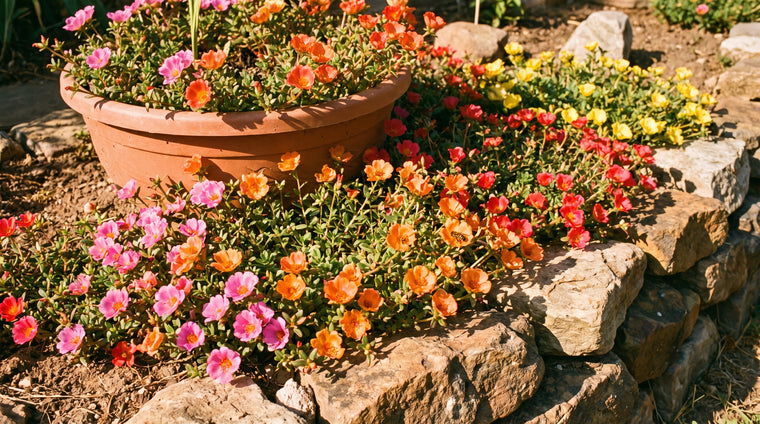
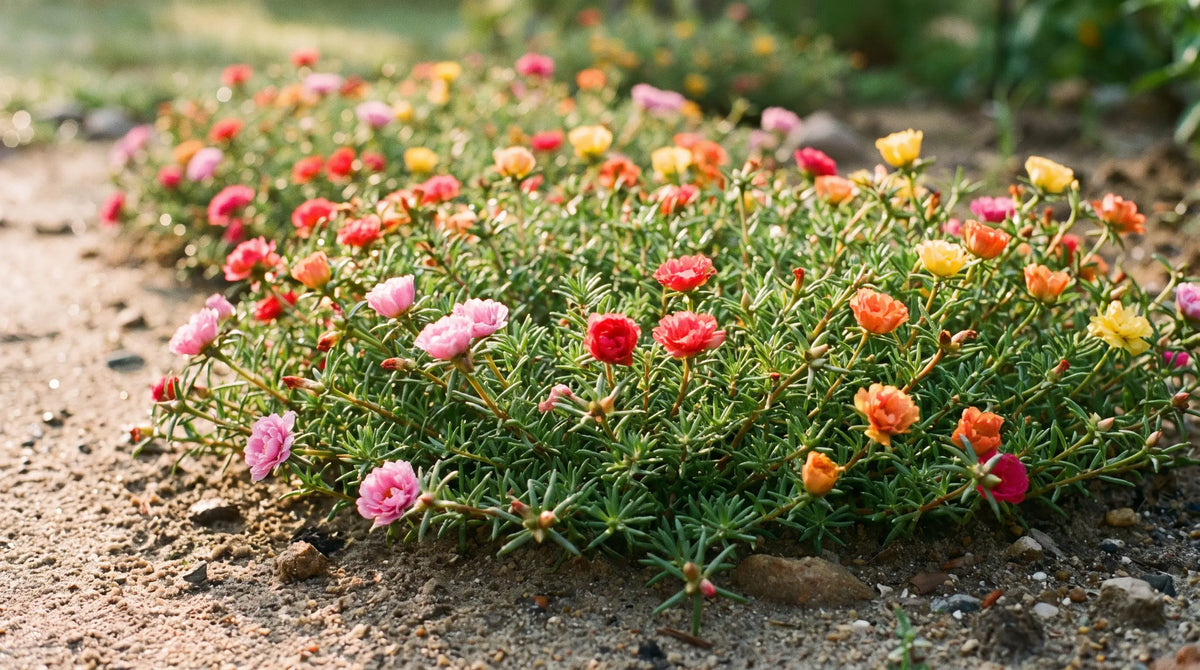
Moss rose (Portulaca grandiflora) is a low, spreading annual with fleshy, needle-like leaves and bright, rose-like flowers that open in the sun. If you have a hot, dry spot where nothing else wants to grow, this is your plant, and learning how to grow moss rose from seed is about as forgiving as flower gardening gets. It suits busy families, first-time gardeners, and anyone with sandy soil, a rock garden, or containers that bake in the afternoon.
Best tip
Starve it a little. The hotter, drier, and poorer the spot, the more it blooms, so plant moss rose where your hose barely reaches and skip the fertilizer entirely.
| Portulaca grandiflora | |
| Annual flower | |
| 2 to 11 | |
| Full sun | |
| 60 to 75 days to bloom | |
| 4 to 8 inches | |
| 6 to 12 inches | |
| Low, drought tolerant |
Moss rose is a warm-season annual that cannot take any frost, so timing is all about warm soil, not the calendar. Direct sow outdoors once the last spring frost has passed and the soil has warmed to about 70 degrees, usually a couple of weeks after your average last frost date. For a head start, sow indoors 6 to 8 weeks before that last frost and move seedlings out only once nights stay above 50 degrees.
In the Deep South and the Southwest, places like Texas, Arizona, and central Florida, moss rose loves the intense summer heat and can be direct sown from late spring right through early summer. Gardeners in the Upper Midwest and Northeast, such as Minnesota or Maine, get the best results by starting seed indoors or simply waiting until late May or early June, when the ground is reliably warm.
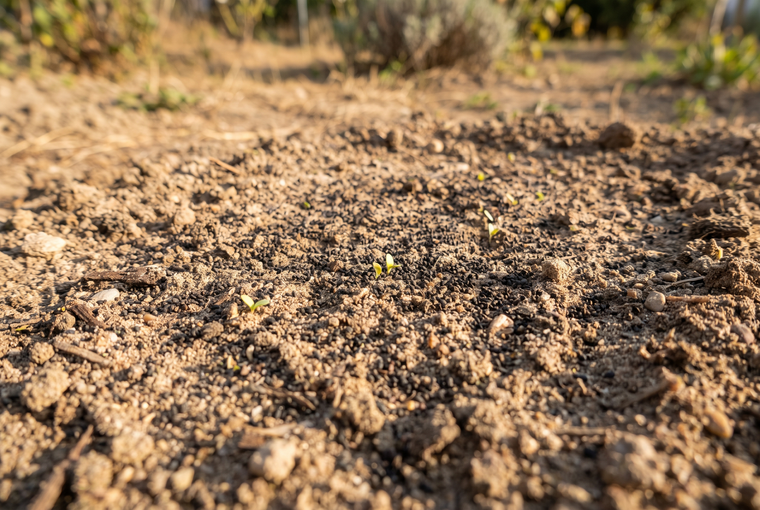
Moss rose seed is tiny, almost like dust, and it needs light to sprout, so do not bury it. Here is the simple sequence:

Once moss rose is up and growing, the main job is to resist fussing over it. Water only when the top inch of soil is dry, and err on the dry side, because the succulent leaves store their own water and soggy roots rot quickly. Skip the fertilizer, or feed very lightly at most, since rich soil and heavy feeding push leafy growth and far fewer flowers. Keep it in full sun all day for the heaviest bloom. The plants stay low and need no staking, but you can pinch the stem tips while they are young to encourage bushier, fuller growth. In a wet summer, make sure the bed drains well so plants are never left sitting in standing water.
Moss rose pairs best with other sun lovers that shrug off heat and want the same lean, well-drained soil.
Avoid planting moss rose beside thirsty, shade-loving plants like impatiens or ferns, since the constant moisture they need will rot its roots.
Moss rose is grown as an ornamental, not for eating. Its leaves and stems contain soluble calcium oxalates, and the ASPCA lists portulaca as toxic to dogs, cats, and horses if eaten, so plant it where grazing pets and livestock will not nibble it, and keep young children from snacking on the flowers.
Moss rose blooms from early summer until the first frost, with flowers that open in bright sun and close in the evening and on cloudy days, which is how it earned the old nickname eleven o'clock. For the longest run of color, give it as much direct sun as possible and keep it on the dry side. Many modern types are self-cleaning, so deadheading is optional, though pinching off spent flowers and straggly tips keeps plants tidy. It is not a classic cut flower, since the blooms close without sunlight and the stems are short, so enjoy it where it grows, in the bed, the rockery, or a sunny container. Leave a few late flowers to set seed and it will often reseed itself for next year.
Moss rose earns its keep in the toughest, driest corners of the yard. Use it as a low ground cover on hot banks and slopes, as edging along a sunny path, or tucked into the gaps of a rock garden or stone wall. It is a natural for containers, window boxes, and hanging baskets that dry out fast and bake in the afternoon sun. In a low-water or xeriscape planting it thrives where thirstier flowers fail, and its open blooms draw in bees and butterflies through the heat of summer.

When should you plant moss rose seeds?
Wait until all danger of frost has passed and the soil has warmed to about 70 degrees, usually a couple of weeks after your last spring frost. You can also start seed indoors 6 to 8 weeks earlier and transplant once nights stay above 50 degrees.
How do you grow moss rose from its tiny seeds?
The seed is tiny and needs light, so scatter it on the surface and press it in rather than burying it. Give it full sun and lean, sandy, well-drained soil, keep the surface lightly moist, and expect sprouts in 7 to 14 days when the soil is 70 to 85 degrees.
How much sun and water does moss rose need?
Give it full sun, at least 6 hours, since the flowers stay shut in shade. Water only when the top inch of soil is dry and err on the dry side, because the succulent leaves store their own water and soggy roots rot quickly.
Is moss rose an annual or a perennial?
In most of the country it is grown as a warm-season annual that lasts one season. In frost-free zones 10 and 11 it can behave as a tender perennial, and almost everywhere it reseeds itself and pops back up the following summer.
Why do moss rose flowers close in the afternoon?
That is completely normal. The blooms open in bright sun and close in the evening and on cloudy days, which is why the plant is nicknamed eleven o'clock. More direct sun means more open flowers.
Is portulaca the same as moss rose?
Moss rose is the common name for Portulaca grandiflora, so yes, they are the same plant. It shares the genus with edible purslane (Portulaca oleracea), but moss rose is grown as an ornamental for its flowers, not for eating.
Ready to fill your sunniest, driest spots with color? Explore our heirloom, non-GMO flower seeds.
By Maxim Kaufman — Founder & CEO, Organo Republic
Maxim founded Organo Republic in 2017 and personally selects and supervises the quality control of the heirloom, non-GMO varieties the company offers. Under his leadership, Organo Republic was named Agri Business Review’s Top Non-GMO Seed Variety Solution 2026.
Thanks for subscribing!
This email has been registered!
| Product | SKU | Description | Collection | Availability | Product type | Other details |
|---|
Your cart is empty
Add some seeds and grow something great
Price
$21.99
Starting at
$17.99
Price
$12.99
Starting at
$9.99
Price
$22.99
Starting at
$16.99
Starting at
$4.99
Lures aphids & squash bugs away from your crops
Improves neighbors' flavor, deters hornworms
Attracts ladybugs & lacewings that eat aphids
Bee magnet that boosts flowering & fruit set
Attracts hoverflies, boosts neighbors' vigor
Draws pollinators, repels moths & deer
Draws pollinators, doubles as a living trellis
Attracts butterflies, bees & ladybugs
Traps aphids, feeds beneficial insects
Brings bees, hoverflies & parasitic wasps
Its blooms feed aphid-eating hoverflies
Repels cabbage moths & carrot flies
Aromatic pest shield for veggies & vines
Draws parasitic wasps that hunt pests
Repels aphids, squash bugs & flea beetles
Ladybug & hoverfly hub for the whole bed
Keeps pollinators coming all season
Trap crop for flea beetles, protects your vines
Feeds roots for stronger, faster-growing plants
Bee balm that pulls in bees & hummingbirds
Citrus-scented bee magnet for fruiting crops
Lacy blooms that draw predatory wasps