Home / Growing Guides / How to Grow Mullein from Seed
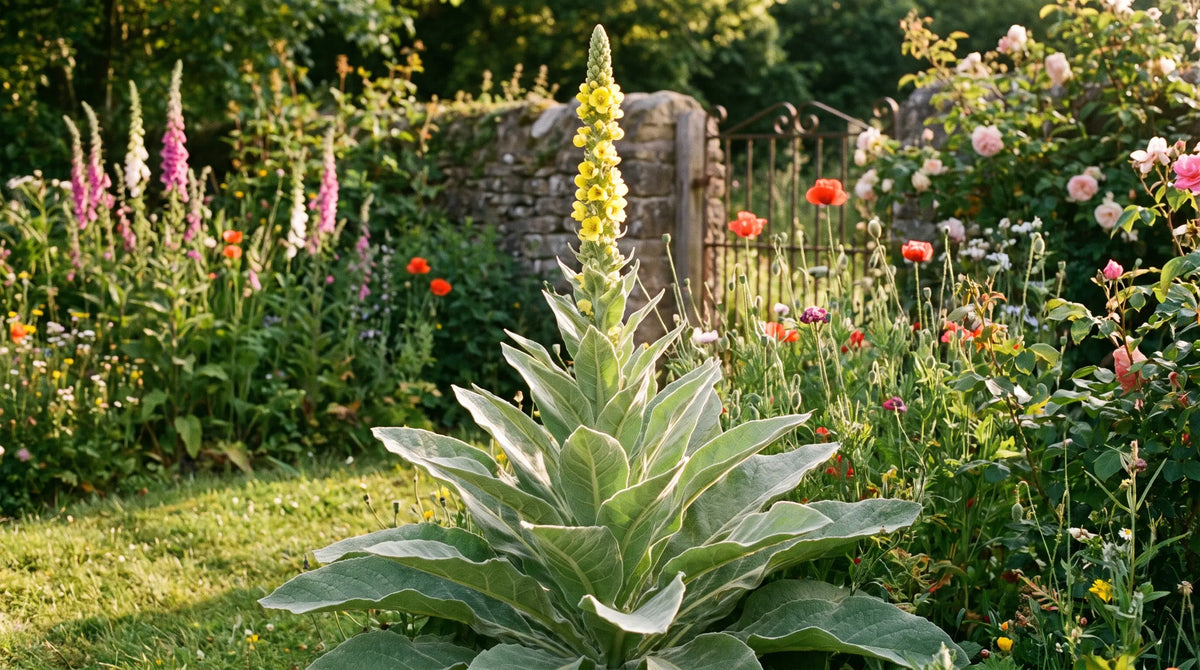
A full-grown mullein plant with a tall golden flower spike rising above fuzzy silver-green leaves in a sunny garden.

How to Grow Mullein from Seed

Updated October 2026

Mullein (Verbascum thapsus) is a striking biennial herb that spends its first year as a soft rosette of fuzzy, silver-green leaves, then sends up a tall golden flower spike in its second summer. Easygoing in poor, dry soil and loved by bees, it brings height and old-fashioned charm to cottage borders, gravel gardens, and pollinator patches. If you want to learn how to grow mullein from seed, it is one of the most forgiving plants for a beginner, as long as you give it sun and room to stretch.

Best tip

Resist the urge to improve the soil. Mullein is at its sturdiest and most upright in poor, gritty ground, so plant it hungry and skip the compost and fertilizer entirely.

At a glance

How to Grow Mullein from Seed — growing specifications at a glance
Botanical nameVerbascum thapsus
Plant typeBiennial herb
USDA zones3 to 9
SunFull sun
Days to maturityBlooms in its second summer
Height5 to 8 feet in flower
Spacing18 to 24 inches
WaterLow; drought tolerant once established

When to plant

Mullein is hardy and easy to start from seed, so you have options. The simplest route is to direct-sow in the garden in early spring, once the soil can be worked, or in late summer to early fall so young rosettes settle in before winter and bloom the following year. If you prefer a head start, sow indoors about 6 to 8 weeks before your last spring frost, then move seedlings out while they are still small, since mullein forms a taproot and dislikes being disturbed once it is established.

In cold-winter regions like the Upper Midwest and New England, a fall sowing works well because the seeds get a natural chill and sprout on their own schedule in spring. In the hot, dry Southwest and interior California, sow in fall or very early spring so the rosette is well rooted before summer heat arrives.

How to plant

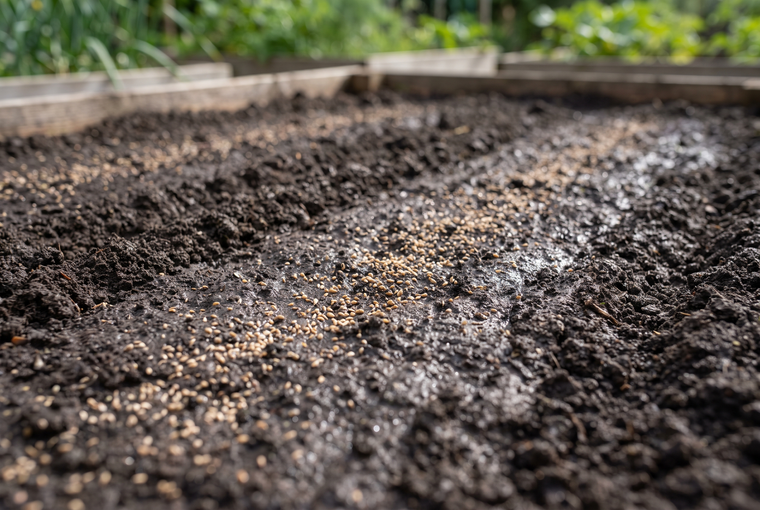
Mullein seeds are dust-fine and need light to germinate, so sow them on the surface and do not bury them.

1. Choose a spot in full sun with lean, well-drained soil. Mullein actually prefers poor, gravelly ground over rich beds, and it will rot in soggy clay. 2. Rake the surface smooth and water lightly so it is just damp. 3. Scatter the tiny seeds thinly and press them gently against the soil so they make good contact. Leave them uncovered, or dust with only a pinch of fine soil. 4. Keep the surface lightly moist until sprouts appear, usually in 10 to 21 days. 5. When seedlings have a few true leaves, thin or transplant so plants stand 18 to 24 inches apart. The first-year rosette spreads wide, and the second-year spike needs room.

If you are starting indoors, press the seeds onto the surface of a moist seed-starting mix, set the tray somewhere bright and warm, and transplant while the rosette is still small.

Dust-fine mullein seeds scattered on the surface of a finely raked, sunny garden bed, left uncovered so light can reach them.

Growing and care

Once mullein is up and growing, it asks for very little. Water young plants during dry spells, but ease off as they settle in, since established plants are genuinely drought tolerant and resent wet feet. Skip the fertilizer. Rich soil and heavy feeding produce floppy growth and fewer of the dense, upright spikes you want.

The fuzzy rosette does its growing in the first year, storing energy for the second-year flower stalk. In exposed, windy spots a very tall spike can lean, so push a slim stake in beside it if needed, though many plants stand fine on their own. Pull competing weeds early while the rosette is establishing, and resist the urge to pamper it. Mullein thrives on a little neglect.

The best companion plants

Mullein suits sunny, low-water plantings, so pair it with others that enjoy the same lean, well-drained soil.

  • Yarrow: Thrives in the same poor, dry ground and adds flat flower heads that feed beneficial insects.
  • Coneflower (Echinacea): Loves full sun and extends the pollinator buffet right through summer.
  • Black-eyed Susan (Rudbeckia): A natural meadow partner that echoes mullein's golden tones.
  • Lavender: Shares a taste for dry, gritty soil and gives a fragrant, low counterpoint to mullein's height.
  • Salvia: Drought tolerant and bee friendly, with spiky blooms that rhyme nicely with the mullein spire.

Give mullein room rather than tucking small plants right beneath it, since the wide rosette and tall spike can shade and crowd low neighbors.

Harvest

Mullein blooms in its second summer, opening small yellow flowers up and down the tall spike over several weeks. The show is long and casual rather than a single burst, and it is a magnet for bees working the flowers each morning.

To keep a plant tidy and stop it from seeding everywhere, snip the spent spike before the seed capsules ripen and drop. The dried stalks and seed heads also hold their shape well and make a dramatic, architectural element in autumn arrangements, so you can cut a few to bring indoors. If you want volunteers for next year, leave one or two spikes standing and let them self-sow. Mullein scatters seed freely, so removing most of the spent flower stalks is the easiest way to keep it where you want it.

Uses

In the garden, mullein earns its keep as a tall vertical accent, perfect for the back of a cottage border, a gravel or rock garden, or a wild pollinator patch. Bees and other beneficial insects flock to the flowers, making it a reliable pollinator plant. The dried spikes are wonderful in rustic autumn and winter arrangements, holding their sculptural shape for months.

Mullein also carries a long folk history. Its leaves and flowers have traditionally been dried for a mild herbal tea, and the tall, resinous flower stalks were once dipped in tallow and burned as torches, which earned it old country names like candlewick plant and hag's taper. The soft, flannel-like leaves are a favorite texture for children to touch in a family garden.

A bee working the yellow flowers along a tall mullein spike in a summer pollinator garden.

Common problems

  • Powdery mildew: In humid weather or crowded beds a white coating can appear on the leaves. Space plants well, keep them in full sun, and water at the base rather than overhead.
  • Mullein moth caterpillars: These pale, spotted caterpillars can chew ragged holes in the leaves. Pick them off by hand, since a healthy plant easily outgrows light feeding.
  • Root rot: Mullein rots in wet, heavy soil. Plant it in lean, well-drained ground and avoid overwatering, especially over winter.
  • Aggressive self-sowing: One plant drops thousands of seeds. Cut most spent spikes before the capsules ripen to keep volunteers in check.

Frequently asked questions

When should you plant mullein seeds?

Direct-sow in early spring once the soil can be worked, or in late summer to early fall so young rosettes settle in before winter. You can also start seeds indoors about 6 to 8 weeks before your last frost and transplant them while they are still small.

Is mullein a biennial, and when does it flower?

Mullein is a biennial. It makes a fuzzy rosette of leaves in its first year, then sends up a tall spike that opens small yellow flowers in its second summer before setting seed and dying.

How do you grow mullein from seed?

Scatter the dust-fine seeds on the surface of lean, well-drained soil in full sun and do not bury them, since they need light to sprout. Keep the surface lightly moist until seedlings appear in about 10 to 21 days, then thin plants to stand 18 to 24 inches apart.

How do you tell mullein from its look-alikes?

Common mullein has soft, silvery, felt-like leaves in a flat first-year rosette, which can look similar to young foxglove before either plant blooms. Foxglove is toxic, so be sure of your plant before handling seedlings, and look for mullein's single tall spike of yellow flowers in the second year.

How tall does mullein get?

The first-year rosette stays low and wide, then the second-year flower spike shoots up to about 5 to 8 feet tall. Give each plant 18 to 24 inches of space and full sun so the tall spire stands sturdy.

Does mullein self-seed or become invasive?

Yes, a single plant can drop thousands of seeds and self-sows freely, and it is treated as a noxious weed in some states. To keep it in check, cut most spent spikes before the seed capsules ripen, and leave only one or two standing if you want volunteers.

Ready to add this old-fashioned charmer to your garden? Explore our heirloom, non-GMO herb seeds.

Maxim Kaufman, Founder and CEO of Organo Republic

By Maxim Kaufman — Founder & CEO, Organo Republic

Maxim founded Organo Republic in 2017 and personally selects and supervises the quality control of the heirloom, non-GMO varieties the company offers. Under his leadership, Organo Republic was named Agri Business Review’s Top Non-GMO Seed Variety Solution 2026.

Stay Connected

Join Our Garden Community

Daily garden inspiration, how-to videos & behind-the-seeds stories.