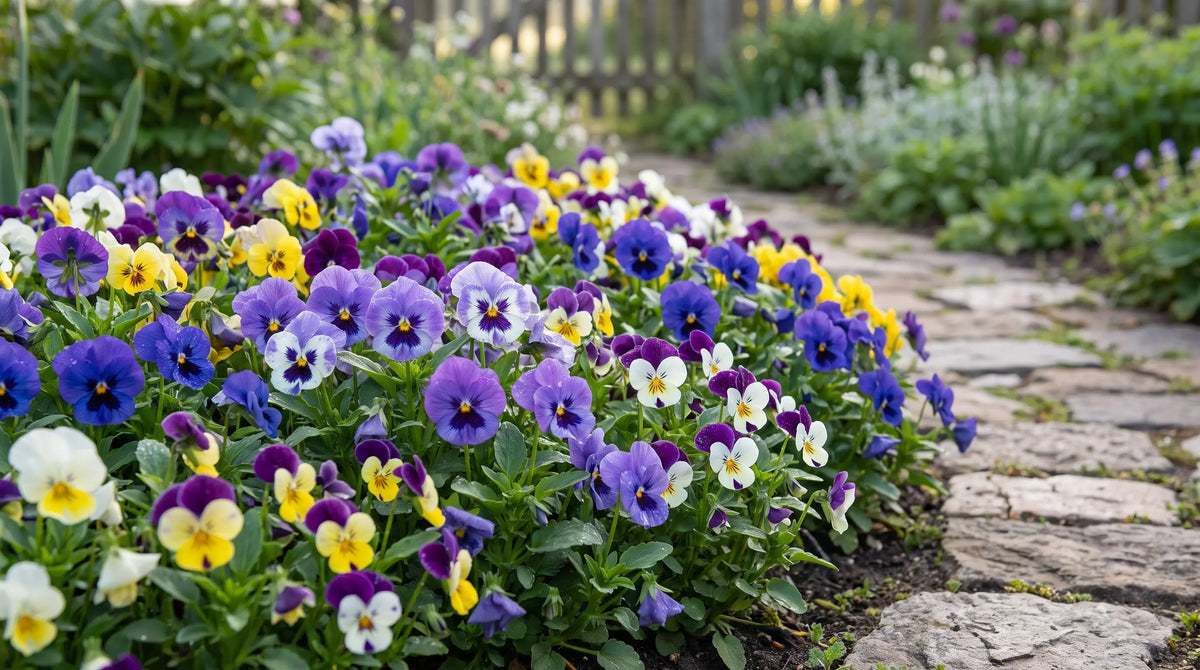
How to grow pansies: a bed of pansies in full bloom

How to Grow Pansies From Seed

Updated July 2026

Pansies (Viola x wittrockiana) are the cheerful, face-like flowers that carry a garden through the cool shoulder seasons, blooming in spring and fall when little else does and shrugging off light frost along the way. They come in every color combination you can imagine, stay neat and compact for beds, borders, and pots, and the blooms are even edible. There is one quirk worth knowing up front: unlike most seeds, pansies need darkness to germinate. Here is how to grow them from seed, start to finish.

Love flowers you can eat? Our edible flower seeds variety pack brings several edible blooms together in one pack.

Best tip

Cover the seed and keep it dark until it sprouts. Pansies are one of the few flowers that need darkness to germinate, so the mistake beginners make is surface-sowing them like most seeds. Sow an eighth of an inch deep, keep the tray dark and cool until sprouts appear, then give them bright light, and your germination jumps.

At a glance

Botanical nameViola x wittrockiana (Viola tricolor)
Plant typeCool-season, short-lived perennial grown as an annual
USDA zones4 to 8 (overwinters in zones 7+)
SunFull sun to part shade
Days to maturityAbout 60 to 90 days to bloom
Height6 to 9 inches
Spacing6 to 8 inches apart
WaterRegular; keep evenly moist

When to plant

Pansies are cool-season flowers, so the trick is to grow them when the weather is mild. For spring color, start seeds indoors 10 to 12 weeks before your last frost, then set the plants out a few weeks before that frost, since young pansies shrug off light freezes. For a fall and winter display, sow in mid to late summer. In hot-summer regions like Texas, Florida, and the Deep South, pansies are really a fall-through-spring flower and will fade once summer heat arrives; in the North and Pacific Northwest, spring and fall are their prime seasons.

How to plant

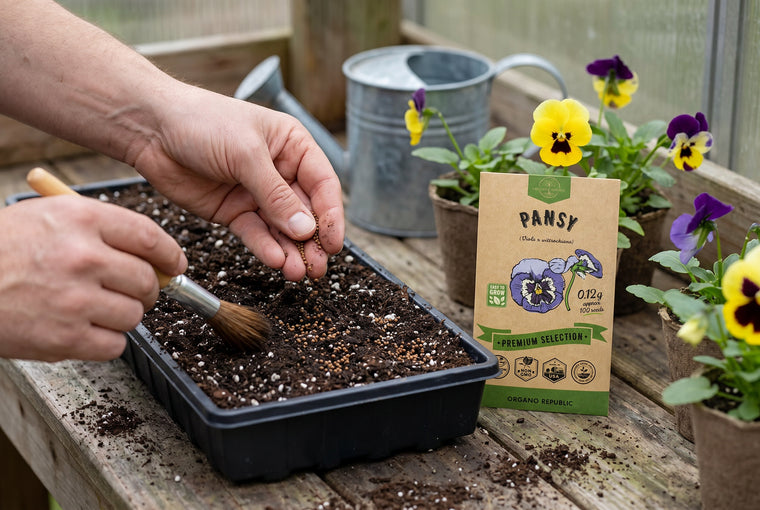
Here is the detail most seed packets skip: pansy seeds need darkness to germinate, so unlike many flowers you should cover them. Sow about an eighth of an inch deep in trays or pots of moist seed-starting mix, then set the trays somewhere dark (some growers slip them into a bag) until they sprout, usually in 7 to 14 days at 65 to 75F. Once seedlings appear, move them into bright, cool light so they grow stocky rather than leggy. Transplant into rich, well-drained soil in full sun to part shade, spacing plants 6 to 8 inches apart.

Start pansy seeds in trays and cover them, since they need darkness to sprout.

Growing and care

Pansies are easygoing once established. Keep the soil evenly moist, watering at the base to keep the leaves dry, and feed lightly every few weeks for steady bloom. The single most useful habit is deadheading: pinch off faded flowers before they set seed and the plant pours its energy into more blooms instead. If plants stretch and go leggy in warm spells, shear them back by about a third to bring on a fresh, compact flush. A little mulch keeps the roots cool and helps them push later into the season.

SaleMycorrhizal Fungi Granules
Mycorrhizal Fungi GranulesFeeds roots naturallyMix a little into the bed to help pansy roots take up water and nutrients.
Price$39.99Starting at$29.99
View product

The best companion plants

Pansies mix happily with other cool-season flowers and pollinator plants. These heirloom, non-GMO companions look good beside them and help the whole bed thrive:

SaleNasturtium Seeds for Sale – Non-GMO Heirloom
Nasturtium Seeds for Sale – Non-GMO HeirloomHeirloom, non-GMOSprawling nasturtiums shade the soil and lure aphids away from your pansies.
Price$14.99Starting at$6.99
View product
SaleMarigold Seeds Pack
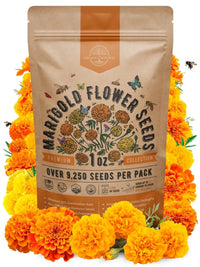
Marigold Seeds PackHeirloom, non-GMOMarigolds deter pests and pull in the pollinators that keep beds humming.
Price$12.99Starting at$8.99
View product
SaleBorage Seeds – Non-GMO Heirloom
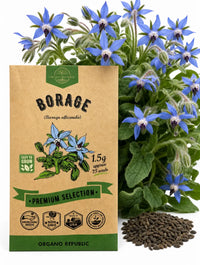
Borage Seeds – Non-GMO HeirloomHeirloom, non-GMOBorage draws bees all season and its blue flowers pair beautifully with pansies.
Price$5.99 Sale Price$4.99
View product

Pansies fade in summer heat. They are built for cool weather and bloom best below about 75F, so once summer highs settle in they stretch, stop flowering, and often peter out. Plan them as a fall, winter, and spring flower in warm climates, and a spring-and-fall flower in cold ones, rather than expecting them to carry the whole summer.

Harvest

Pansies are grown for their flowers, and the blooms are edible, so pick them at their peak for the kitchen. Harvest fully open flowers in the cool of the morning, snapping or snipping them with a short stem. Use them fresh the same day as a garnish for salads, cakes, and drinks, or press and dry them for decorating. Picking often has a bonus: like deadheading, it keeps the plant flowering.

Uses

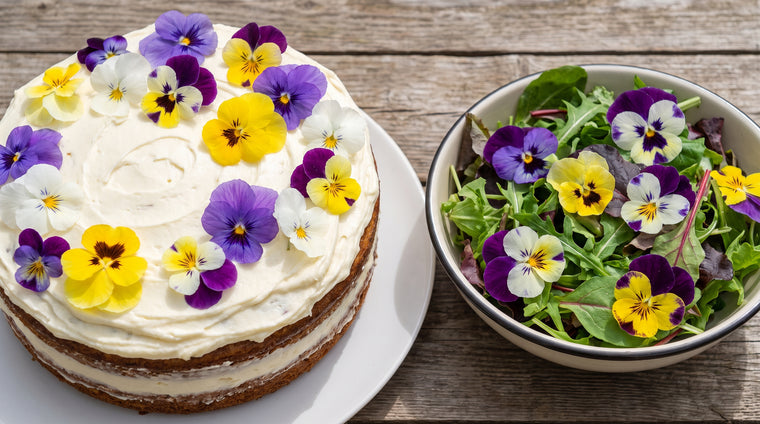
Pansies earn their keep as cool-season color for beds, borders, window boxes, and containers, filling the gap when little else is blooming. The flowers are edible, with a mild, faintly grassy flavor, and make a pretty garnish for salads, cakes, and iced drinks, or candied for desserts. They also press beautifully for cards and crafts. Because they are compact and frost-hardy, they are a favorite for dressing up entryway pots in early spring and fall.

Fresh pansy blooms brighten cakes, salads, and drinks.

Common problems

  • Leggy, stretched plants: usually heat or too little light. Grow in cool weather with plenty of sun and shear leggy stems back by a third.
  • Stops blooming in summer: pansies pause in the heat. Keep them watered and shaded and they often revive when cool weather returns, or replant for fall.
  • Aphids: rinse them off with a strong spray of water and invite in ladybugs by planting nearby flowers.
  • Slugs and snails: they chew young pansies. Hand-pick in the evening or set out a simple trap.
  • Deer and rabbits: both browse pansies, so use containers near the house or a repellent where pressure is heavy.

Frequently asked questions

Are pansies annuals or perennials?

Pansies are technically short-lived perennials, but most gardeners grow them as cool-season annuals. In mild-winter regions (zones 7 and warmer) they often bloom through winter and return in spring, while in colder zones they usually fade in summer heat and are replanted each season.

How cold can pansies tolerate?

Pansies are remarkably frost-hardy and shrug off light freezes down to about 25F once established. Hard freezes can wilt the blooms and foliage temporarily, but the plants usually bounce back as it warms. A layer of mulch over the roots helps them survive cold snaps.

How do I keep pansies blooming longer?

Deadhead spent flowers regularly by pinching them off just below the bloom, which stops the plant from setting seed and pushes it to make more flowers. Keep the soil evenly moist, feed lightly every few weeks, and shear back leggy plants by a third to bring on a fresh flush.

Do deer and rabbits eat pansies?

Yes, both deer and rabbits find pansies tasty, so they are not a deer-proof choice. In areas with heavy browsing, plant them in containers or window boxes near the house, or use a repellent spray and interplant with aromatic herbs and marigolds that animals tend to avoid.

Why are my pansies leggy and not flowering?

Legginess usually means too little light or summer heat pushing the plants to stretch. Grow pansies in full sun to part shade during cool weather, pinch back stretched stems, and remember that once temperatures climb into the 80s they slow down and often stop blooming until fall.

Do pansies reseed themselves?

They can. If you let some flowers go to seed instead of deadheading them, pansies and their viola cousins often self-sow and pop up in surprising spots the following season. Since these are open-pollinated heirlooms, the volunteers may show a fun mix of colors.

Ready to grow your own? Start with heirloom, non-GMO pansy seeds for cheerful, cool-season color you can also add to the plate.

SalePansy Seeds for Sale – Non-GMO Heirloom
Pansy Seeds for Sale – Non-GMO HeirloomHeirloom, non-GMOHeirloom pansies — cheerful cool-season color you can also add to the plate.
Price$4.99Starting at$3.99
View product

Want more than pansies? These value sets all include pansy seeds, plus many more flowers and herbs:

SaleEdible Flower Seeds Variety Pack – Non-GMO Heirloom
Edible Flower Seeds Variety Pack – Non-GMO Heirloom31 varieties, pansy includedEdible flowers galore, from pansy and viola to borage and calendula.
Price$20.99Starting at$17.99
View product
SaleMedicinal & Tea Herb Seeds Variety Pack – Non-GMO Heirloom
Medicinal & Tea Herb Seeds Variety Pack – Non-GMO Heirloom39 varieties, pansy includedCulinary and tea herbs with pansy tucked in for edible garnishes.
Price$22.99Starting at$16.99
View product
SaleHerb & Vegetable Seeds Variety Pack – Non-GMO Heirloom
Herb & Vegetable Seeds Variety Pack – Non-GMO Heirloom47 varieties, pansy includedA whole garden in one box, herbs and veggies plus pansy and viola.
Price$63.99 Sale Price$59.99
View product
Maxim Kaufman, Founder and CEO of Organo Republic

By Maxim Kaufman — Founder & CEO, Organo Republic

Maxim founded Organo Republic in 2017 and personally selects, tests, and grows the heirloom, non-GMO varieties the company offers. Under his leadership, Organo Republic was named Agri Business Review’s Top Non-GMO Seed Variety Solution 2026.

Stay Connected

Join Our Garden Community

Daily garden inspiration, how-to videos & behind-the-seeds stories.