FREE SHIPPING ON ORDERS OVER $49 📦

By Maxim Kaufman — Founder & CEO, Organo Republic
Updated October 2026
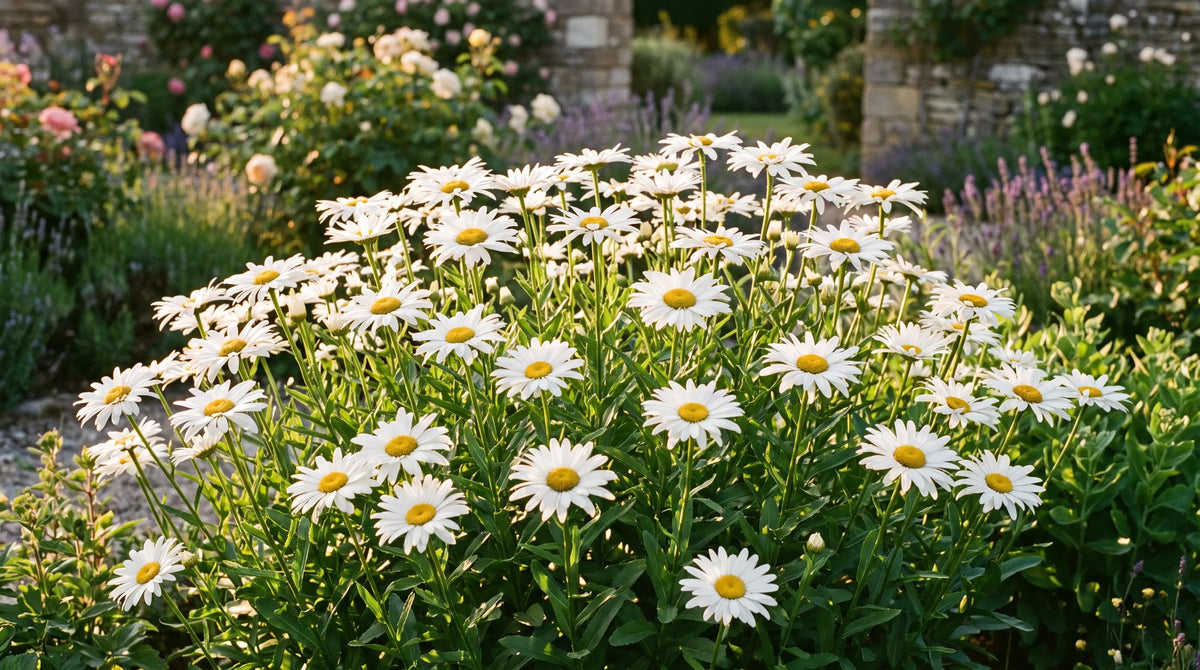
Shasta Daisy 'Silver Princess' (Leucanthemum × superbum) is a compact, hardy perennial that covers itself in crisp white, yellow-centered flowers from early summer on. It stays around a foot tall, so it holds its shape without staking and fits neatly at the front of a border, in a container, or in a cutting patch. If you want to learn how to grow Shasta Daisy from seed, this cheerful, pollinator-friendly variety is one of the most forgiving places to start.
Best tip
Deadhead often. The moment 'Silver Princess' starts setting seed it slows down, so snip spent blooms every few days and you will stretch the flowering for weeks. A hard shear by about a third after the first flush usually buys you a second round.
| Leucanthemum × superbum 'Silver Princess' | |
| Hardy perennial flower | |
| 5 to 9 | |
| Full sun | |
| 110 to 130 days to first bloom | |
| 12 to 15 inches | |
| 12 to 15 inches apart | |
| About 1 inch a week |
Shasta daisies are easy to time. For blooms the first summer, start seeds indoors about 8 to 10 weeks before your last expected spring frost. If you would rather sow straight into the garden, wait until the danger of frost has passed and the soil has warmed to around 65 to 70°F, usually mid to late spring. In mild-winter areas you can also sow in early fall for an earlier, stronger show the following year.
A note on region: gardeners in the upper Midwest and Northeast (zones 4 and 5) get the best results starting indoors in late winter, since the outdoor season is short. In the Pacific Northwest and across much of the North, spring direct sowing works well once the soil warms. In the Deep South and low desert (zones 8 and 9), treat 'Silver Princess' as a cooler-season performer: sow in fall and give it a little afternoon shade so summer heat does not cut the bloom short.
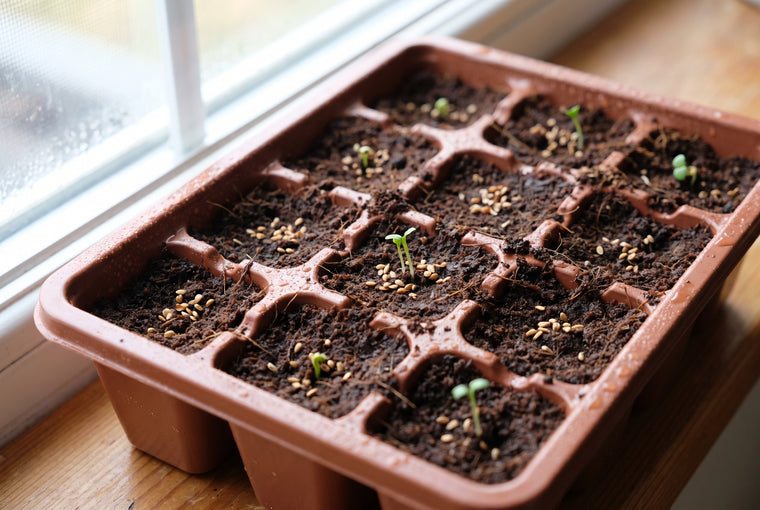
The seeds of 'Silver Princess' are small and need light to sprout, so sow them shallow and resist the urge to bury them. Here is the step by step:
Set plants in full sun (6 or more hours) in well-drained soil with a pH near 6.0 to 7.0, spacing them 12 to 15 inches apart. If you direct sow in the garden, follow the same shallow-sowing rule and thin once the seedlings are a couple of inches tall.

Once established, Shasta daisies are low-maintenance. Give them about 1 inch of water a week, a bit more in a heat wave, and let the soil surface dry between waterings. The one thing they will not forgive is soggy ground, so good drainage matters, especially heading into winter.
Feed lightly. A single spring application of balanced, all-purpose fertilizer or a scoop of compost is plenty. Rich soil tends to make plants floppy and leafy at the expense of flowers. Because 'Silver Princess' stays compact and sturdy, you can usually skip staking altogether.
Deadhead spent flowers through the season to keep new buds coming. After the main flush fades, shear the plant back by about a third to tidy it up and encourage a lighter second round. Every 2 to 3 years, dig and divide the clump in early spring or fall to keep it vigorous and blooming well.
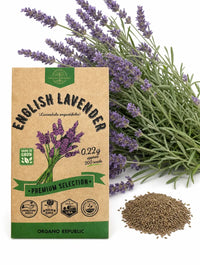
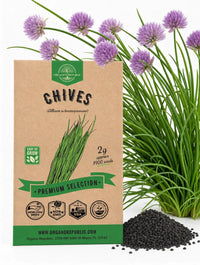
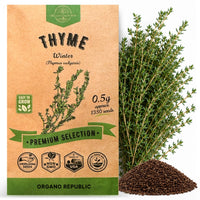
'Silver Princess' is an easy mixer with other sun-loving plants that like the same lean, well-drained soil. A few favorites:
One caution: keep Shasta daisies away from spots that stay damp or heavily shaded, and from thirsty, moisture-loving neighbors, since wet feet are their biggest weakness.
'Silver Princess' blooms from early to midsummer, with crisp white petals around a golden eye, and it will often rebloom into late summer if you keep deadheading. Plants started early indoors can flower their first year, while direct-sown plants usually hit their stride the second season.
For the vase, cut stems in the cool of the morning when the flowers have just opened fully. Strip the lower leaves, set them in clean water, and they will hold for 7 to 10 days. Cutting actually helps the plant, since removing blooms before they set seed pushes it to make more.
In late fall, cut the plant back and add a light mulch in colder zones to protect the crown. You can leave a few spent flower heads standing if you want volunteer seedlings or a little food for the birds.
This is a classic cut flower first and foremost. Long, straight stems and a long vase life make 'Silver Princess' a cutting-garden staple. Its compact, foot-tall habit also suits the front of a border, edging along a path, or a sunny container where taller daisies would flop.
In the garden it earns its keep with pollinators. The open, flat flowers are easy landing pads for bees, butterflies, and hoverflies all summer. Planted in drifts, it gives a tidy, cheerful, cottage-garden look that pairs with almost anything.

When should you plant shasta daisy seeds?
Start seeds indoors about 8 to 10 weeks before your last spring frost for first-year blooms, or direct sow outdoors once the soil warms to around 65 to 70 degrees F. In mild-winter areas you can also sow in early fall for a stronger show the following year.
Is shasta daisy a perennial and what zones does it grow in?
Shasta Daisy 'Silver Princess' is a hardy perennial in USDA zones 5 to 9, though it can be short-lived. Dividing the clump every 2 to 3 years keeps it vigorous and blooming well.
How tall does the Silver Princess shasta daisy get?
'Silver Princess' is a compact variety that stays about 12 to 15 inches tall. That tidy, sturdy habit holds its shape without staking and suits the front of a border, an edging, or a sunny container.
Will shasta daisy bloom the first year from seed?
Yes, if you start seeds indoors early. Plants sown indoors 8 to 10 weeks before the last frost often flower their first summer, while direct-sown plants usually hit their stride the second season.
How do you care for and deadhead shasta daisies?
Give them about 1 inch of water a week in full sun and well-drained soil, and feed only lightly. Deadhead spent flowers through the season to keep new buds coming, then shear the plant back by about a third after the main flush for a lighter second round.
Are shasta daisies deer resistant?
Shasta daisies are usually passed over by deer, which tend to avoid their strongly scented foliage, though no plant is completely deer proof. In areas with heavy deer pressure, grow them alongside other aromatic plants for extra protection.
Ready to grow your own? Explore our heirloom, non-GMO flower seeds.
By Maxim Kaufman — Founder & CEO, Organo Republic
Maxim founded Organo Republic in 2017 and personally selects and supervises the quality control of the heirloom, non-GMO varieties the company offers. Under his leadership, Organo Republic was named Agri Business Review’s Top Non-GMO Seed Variety Solution 2026.
Thanks for subscribing!
This email has been registered!
| Product | SKU | Description | Collection | Availability | Product type | Other details |
|---|
Your cart is empty
Add some seeds and grow something great
Price
$21.99
Starting at
$17.99
Price
$12.99
Starting at
$9.99
Price
$22.99
Starting at
$16.99
Starting at
$4.99
Lures aphids & squash bugs away from your crops
Improves neighbors' flavor, deters hornworms
Attracts ladybugs & lacewings that eat aphids
Bee magnet that boosts flowering & fruit set
Attracts hoverflies, boosts neighbors' vigor
Draws pollinators, repels moths & deer
Draws pollinators, doubles as a living trellis
Attracts butterflies, bees & ladybugs
Traps aphids, feeds beneficial insects
Brings bees, hoverflies & parasitic wasps
Its blooms feed aphid-eating hoverflies
Repels cabbage moths & carrot flies
Aromatic pest shield for veggies & vines
Draws parasitic wasps that hunt pests
Repels aphids, squash bugs & flea beetles
Ladybug & hoverfly hub for the whole bed
Keeps pollinators coming all season
Trap crop for flea beetles, protects your vines
Feeds roots for stronger, faster-growing plants
Bee balm that pulls in bees & hummingbirds
Citrus-scented bee magnet for fruiting crops
Lacy blooms that draw predatory wasps