


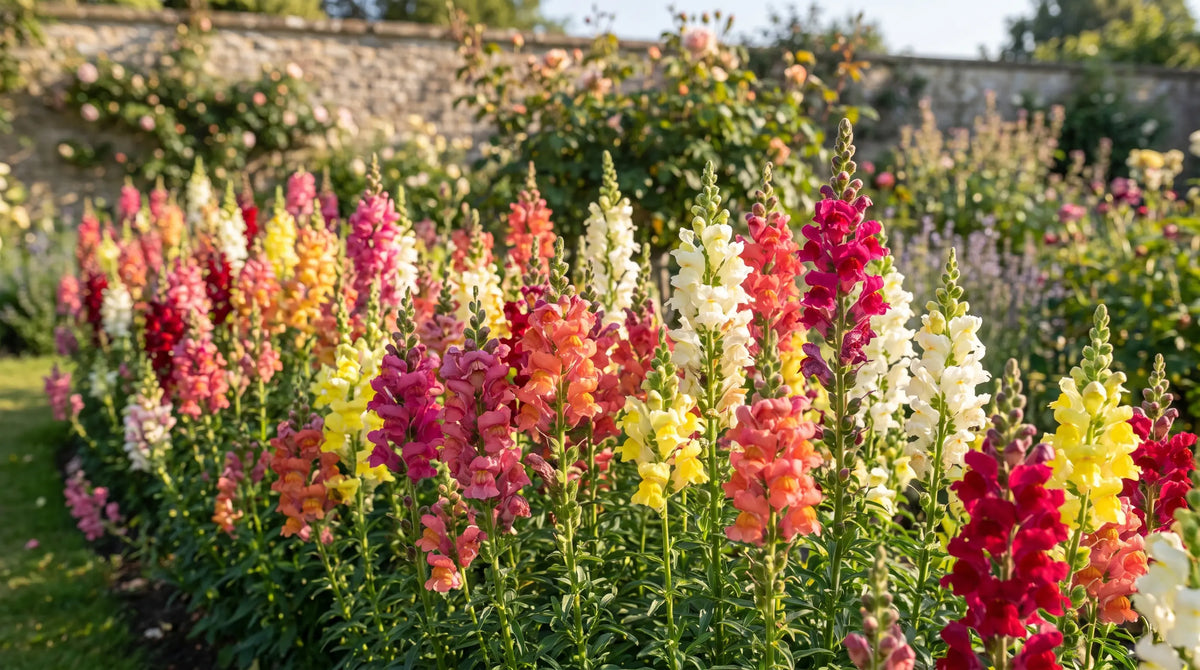
How to Grow Snapdragons From Seed
Updated July 2026
Snapdragons (Antirrhinum majus) are a cottage-garden favorite, sending up tall spikes of ruffled, dragon-jaw blooms in nearly every color and making one of the best cut flowers a home garden can grow. They are slow to start from seed and love cool weather, so a little know-how goes a long way. This guide covers surface-sowing the tiny seeds, pinching for bushier plants, and growing snapdragons for months of color.
Best tip
At a glance
 Botanical name Botanical name | Antirrhinum majus |
|---|---|
 Plant type Plant type | Cold-hardy annual (short-lived perennial in mild zones) |
 USDA zones USDA zones | 7 to 11 perennial; annual elsewhere |
 Sun Sun | Full sun to part shade |
 Days to maturity Days to maturity | 110 to 120 days from seed |
 Height Height | 6 to 36 inches by variety |
 Spacing Spacing | 6 to 12 inches apart |
 Water Water | Regular; keep evenly moist |
When to plant
How to plant
Growing and care
Sale

Mycorrhizal Fungi GranulesFeeds roots naturallyMix a little into the planting hole to boost snapdragon roots.
Price$39.99Starting at$29.99
The best companion plants
Sale

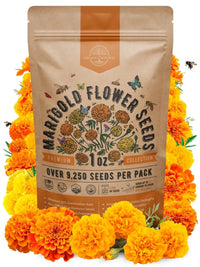
Marigold Seeds PackPollinator favoriteMarigolds share snapdragons' love of sun and help keep pests down while feeding pollinators.
Price$12.99Starting at$8.99
Sale

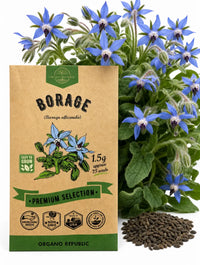
Borage Seeds – Non-GMO HeirloomBee magnetBorage draws bees and beneficial insects to the flower bed beside snapdragons.
Price$5.99Starting at$4.99

Zinnia Flower Seeds – Non-GMO HeirloomCutting-garden pairZinnias add bold mid-summer color and pull in butterflies when snapdragons pause in the heat.
Starting at$4.99
Sale

Nasturtium Seeds for Sale – Non-GMO HeirloomEdible flowersTrailing nasturtium fills the front of the bed with edible color below the snapdragon spikes.
Price$14.99Starting at$6.99
Harvest
Uses
Common problems
Frequently asked questions
How long do snapdragons take to grow from seed?
Snapdragons are slow, usually about 110 to 120 days, or roughly four months, from sowing to the first flowers. Start seeds indoors 8 to 10 weeks before your last frost to get blooms earlier in the season.
Do snapdragons need light to germinate?
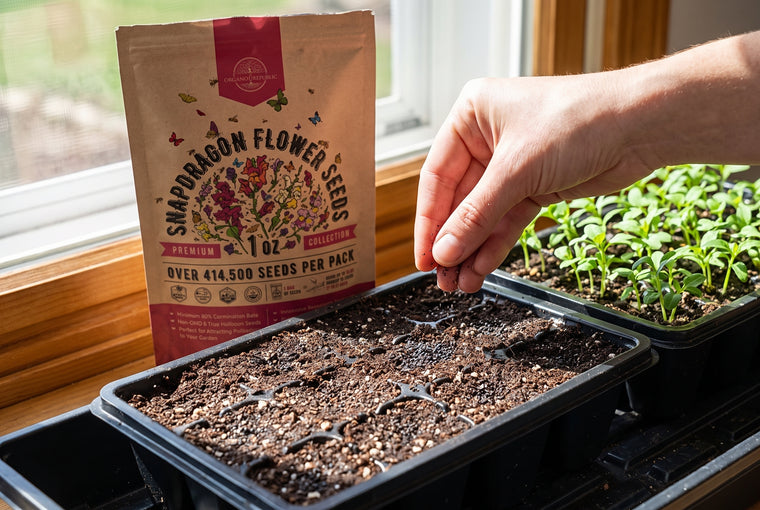
Yes. Snapdragon seeds need light to sprout, so surface-sow them: press the tiny seeds onto moist mix and leave them uncovered. Skip a heat mat too, since cool temperatures around 65 to 70F actually germinate them better.
Why should I pinch snapdragon seedlings?
Pinching out the growing tip when a seedling has 4 to 6 leaves forces it to branch, turning one thin stem into a bushy plant with many more flower spikes. It delays flowering slightly but gives you far more blooms.
Are snapdragons annuals or perennials?
Snapdragons are usually grown as cold-hardy annuals, but in mild-winter areas (zones 7 and warmer) they can behave as short-lived perennials and return for a second year. In colder gardens, treat them as annuals.
How do I harvest snapdragons for a vase?
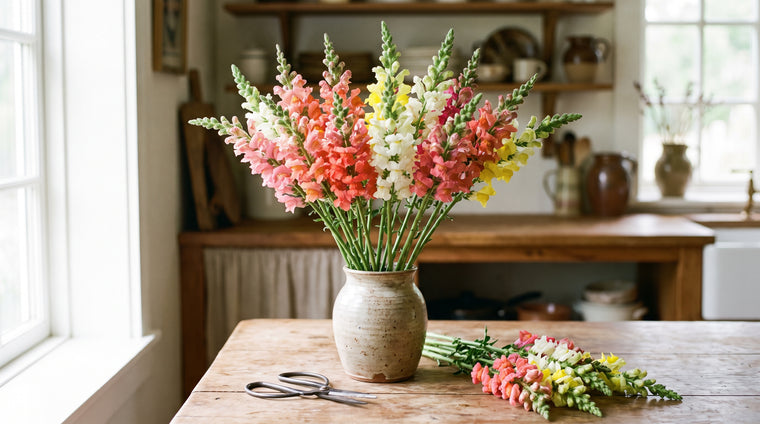
Cut the spikes in the morning when only the bottom third of the flowers have opened; the rest keep opening in the vase over about a week. Cutting also encourages the plant to send up more stems.
Are snapdragons safe around pets?
Snapdragons are generally considered non-toxic to cats and dogs, so a patch is a low-worry choice for pet-friendly gardens. As with any plant, it is still best to discourage pets from munching on them.
Sale

Snapdragon Seeds for Sale – Non-GMO HeirloomHeirloom, non-GMOHeirloom snapdragons: tall, colorful spikes for the cottage border and one of the best cut flowers you can grow.
Price$19.99
Sale Price$16.99
Want more than snapdragons? These flower and pollinator sets pair beautifully with snapdragons in a cottage garden:
Sale

Edible Flower Seeds Variety Pack – Non-GMO Heirloom25 varieties of edible flowersA colorful cottage-flower set to pair with snapdragons.
Price$20.99Starting at$17.99
Sale

Wildflower Seed Mix – Non-GMO Heirloom21 annual wildflowersA pollinator-friendly annual wildflower mix for cutting.
Price$24.99
Sale Price$22.99

- Choosing a selection results in a full page refresh.

















 Easy Returns 30-day guarantee