Home / Growing Guides / How to Grow Golden Bantam Sweet Corn from Seed
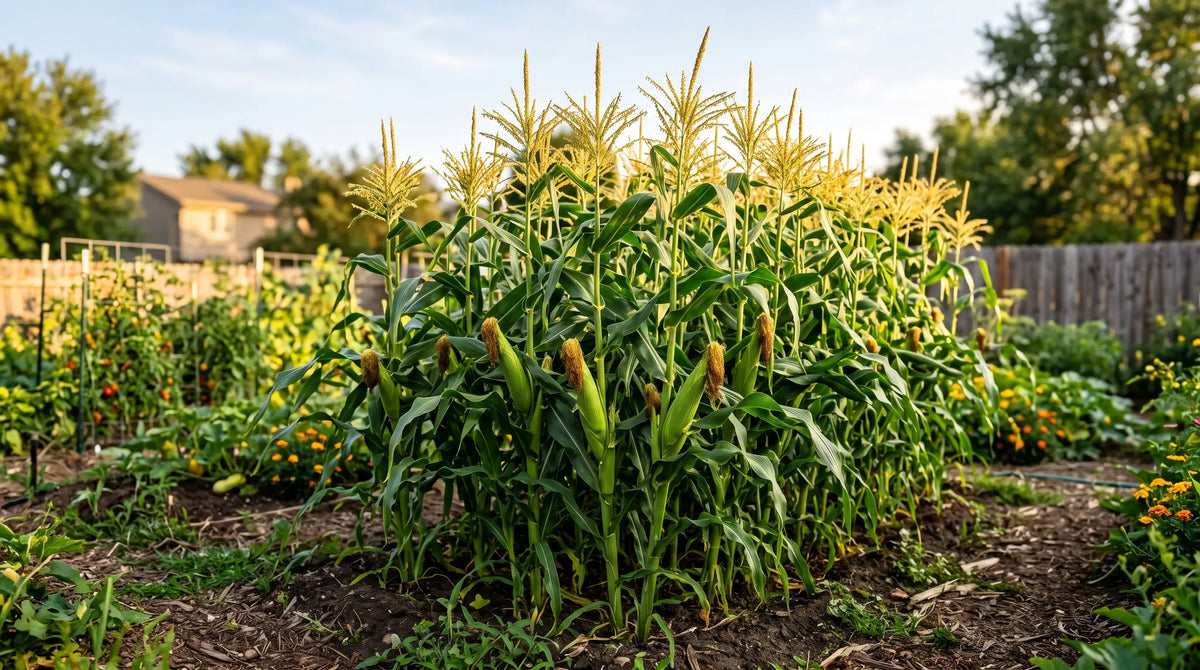
Tall Golden Bantam sweet corn stalks with ripe ears growing in a sunny garden.

How to Grow Golden Bantam Sweet Corn from Seed

Updated October 2026

Golden Bantam is a classic heirloom sweet corn (Zea mays) introduced back in 1902, prized for the old-fashioned flavor of its golden yellow kernels. If you have ever wondered how to grow sweet corn from seed, this open-pollinated, non-GMO variety is a rewarding choice for family gardens with a sunny spot and a little room to spare. It gives beginners tall, easy-going plants and the fresh taste of corn picked minutes before dinner.

Best tip

Forget the long single row. Plant your corn in a tight square block of at least four rows by four rows, even if the rows are short. Wind pollination only works well when plants are grouped close together, and a good block is the difference between full, plump ears and disappointing ones with half the kernels missing.

At a glance

How to Grow Golden Bantam Sweet Corn from Seed — growing specifications at a glance
Botanical nameZea mays
Plant typeAnnual vegetable
USDA zones3 to 11 (grown as an annual)
SunFull sun
Days to maturity70 to 80 days
Height5 to 6 feet
Spacing8 to 12 inches apart, in blocks
WaterAbout 1 to 1.5 inches a week

When to plant

Sweet corn is a warm-season crop that needs heat to get going, so timing matters more here than it does for many vegetables. Wait until all danger of frost has passed and the soil has warmed to at least 60°F, usually one to two weeks after your last spring frost.

Golden Bantam resents having its roots disturbed, so skip the transplants and sow seeds right where they will grow. In cooler northern states like Minnesota, Wisconsin, and Maine, that often means late May or early June, while gardeners across the South and in zones 9 to 11 can plant as early as March.

For a steady supply through summer, sow a fresh short block every two weeks until about three months before your first fall frost.

How to plant

Pick the sunniest, most sheltered part of your garden, since corn is pollinated by wind and tall plants can catch a strong breeze. Work in plenty of compost or aged manure before planting, because corn is a heavy feeder that loves rich, well-drained soil with a pH around 6.0 to 6.8.

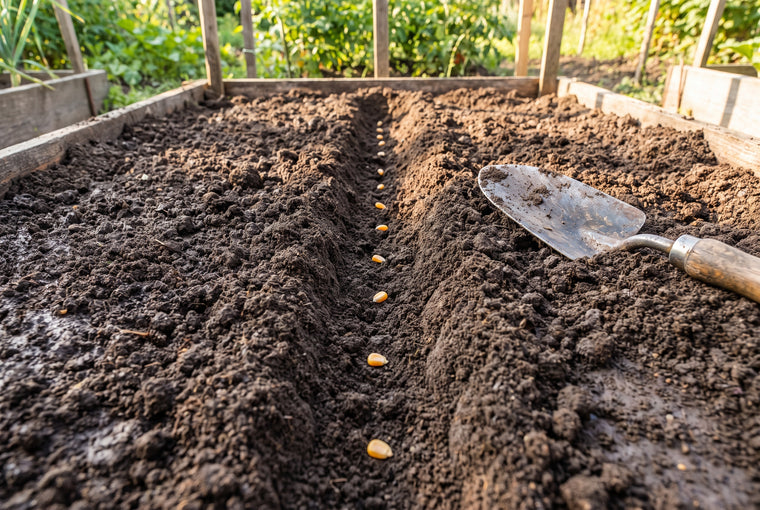
1. Sow seeds 1 inch deep, or up to 1.5 inches deep in sandy soil. 2. Space seeds 4 to 6 inches apart, then thin the seedlings to stand 8 to 12 inches apart once they are a few inches tall. 3. Plant in blocks of at least four short rows side by side, with rows 30 to 36 inches apart, rather than one long single row. 4. Water the bed well and keep it evenly moist until the seedlings push through.

Seeds usually sprout in 7 to 14 days, faster when the soil is warm. The block layout is the real secret, because it lets pollen fall from the tassels onto the silks of neighboring plants and fills out every ear.

Sowing plump sweet corn seeds 1 inch deep in warm, rich garden soil, spaced in a block for good pollination.

Growing and care

Corn drinks a lot of water, especially once it starts to tassel and form ears. Give it about 1 to 1.5 inches a week, and never let the soil dry out during pollination or you will end up with gaps in the kernels. A deep soak at the base beats frequent light sprinkles.

Feed this heavy feeder when plants are about knee high and again when the silks appear, using a nitrogen-rich fertilizer or a side dressing of compost. Pull weeds while the plants are young, then let the shade of the growing stalks keep later weeds down.

Corn puts out shallow brace roots near the surface, so hoe gently and hill a little soil around the base to help tall stalks stand up to wind. In very exposed gardens you can stake the outer plants, but a solid block usually supports itself.

The best companion plants

Corn is the centerpiece of the famous Three Sisters trio and gets along with several garden favorites.

  • Pole beans: climb the stalks for support and fix nitrogen in the soil, which corn loves.
  • Winter squash or pumpkins: sprawl below and shade the ground, keeping roots cool and weeds down.
  • Cucumbers: vine happily at the base and appreciate the light shade the tall stalks provide.
  • Melons: enjoy the same warm conditions and make good use of the ground space between rows.
  • Dill: draws in beneficial insects that help keep pest caterpillars in check.

Keep corn away from tomatoes, since both are favorite targets of the same earworm caterpillar and planting them side by side invites trouble.

Harvest

Golden Bantam is usually ready about 18 to 24 days after the silks first appear, roughly 70 to 80 days from sowing. Watch the silks: when they turn brown and dry and the ears feel plump and filled out, it is time to check. Peel back a little husk and press a kernel with your thumbnail. A milky white juice means the ear is at its peak, a clear juice means wait a few more days, and a thick, doughy paste means you waited too long.

To pick, hold the stalk with one hand, grab the ear with the other, and twist downward until it snaps free. Harvest in the cool of the morning for the sweetest flavor. Golden Bantam is an old-fashioned standard sweet corn, so its sugars turn to starch quickly after picking. Get the ears into cold storage right away, and cook or eat them the same day for the best taste.

Uses

This is a corn to enjoy fresh and simple. Boil, grill, or roast the ears and serve them on the cob with butter, or cut the kernels off for salads, salsa, chowder, succotash, and cornbread. Golden Bantam freezes and cans well, so a good block will stock your kitchen for months.

In the garden it earns its keep too, acting as a living trellis for pole beans in a classic Three Sisters planting and giving the vegetable patch welcome height and structure.

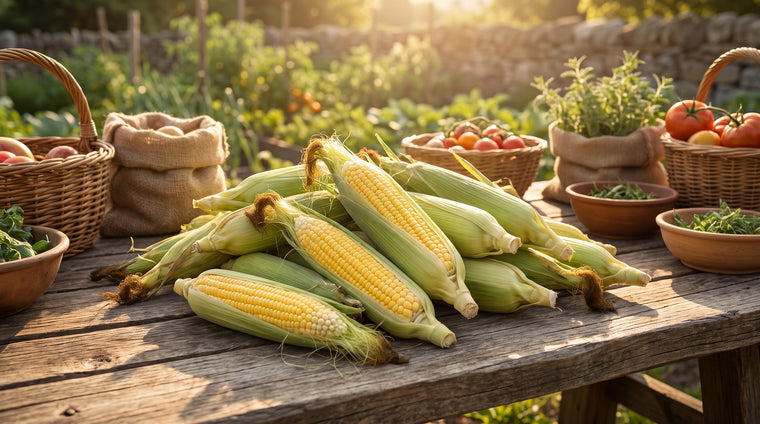
Freshly picked ears of golden sweet corn, husked and ready for the grill.

Common problems

  • Gappy ears with missing kernels: this comes from poor pollination. Plant in a block rather than a single row and keep the soil moist while the silks are out.
  • Corn earworms in the tips: these caterpillars feed at the ear tip. A few drops of vegetable oil on the silks after pollination helps, and you can simply trim off the damaged tip before cooking.
  • Raccoons and birds raiding ripe ears: they always seem to know the day before you do. A low electric fence or lightweight netting over the block protects your harvest.
  • Stalks blown flat after a storm (lodging): hill soil around the base early and plant in a sheltered, blocked layout so the plants brace each other.

Frequently asked questions

When should you plant golden bantam corn seeds?

Direct sow seeds outdoors after all danger of frost has passed and the soil has warmed to at least 60 degrees F, usually one to two weeks after your last spring frost. In warm southern zones you can start as early as March.

How do you plant corn so it pollinates well?

Corn is pollinated by wind, which carries pollen from the tassels down to the silks. Plant it in a block of at least four short rows side by side rather than one long row, so pollen reaches every plant and the ears fill out with full kernels. Keep the soil moist while the silks are out.

How many days to maturity for golden bantam corn?

Golden Bantam matures in about 70 to 80 days from sowing, roughly 18 to 24 days after the silks first appear. The seeds themselves sprout in 7 to 14 days in warm soil.

How tall does golden bantam corn get?

Golden Bantam grows about 5 to 6 feet tall. Plant it in a sheltered, blocked layout and hill a little soil around the base so the stalks brace each other against wind.

How do you know when sweet corn is ready to pick?

Wait until the silks turn brown and dry and the ears feel plump, about 18 to 24 days after the silks appear. Peel back a little husk and press a kernel; a milky juice means it is ready, while a clear juice means wait a few more days.

How far apart do you space corn plants?

Sow seeds 4 to 6 inches apart, then thin the seedlings to stand 8 to 12 inches apart, with rows 30 to 36 inches apart. Arrange those rows in a block of at least four side by side for good pollination.

Ready to grow your own? Explore our heirloom, non-GMO corn seeds and start a block of sweet corn this season.

Maxim Kaufman, Founder and CEO of Organo Republic

By Maxim Kaufman — Founder & CEO, Organo Republic

Maxim founded Organo Republic in 2017 and personally selects and supervises the quality control of the heirloom, non-GMO varieties the company offers. Under his leadership, Organo Republic was named Agri Business Review’s Top Non-GMO Seed Variety Solution 2026.

Stay Connected

Join Our Garden Community

Daily garden inspiration, how-to videos & behind-the-seeds stories.