


Cilantro Companion Plants: Best (and Worst) Garden Neighbors
Updated November 2026
If your cilantro has ever bolted before the first tomato ripened, you know the trouble with a salsa garden: the herb is gone before the other ingredients show up. You can't reset cilantro's clock, but you can choose its neighbors. The right cilantro companion plants share its cool-weather schedule, shade it as the season warms, and put its flowers to work on your aphids. A few others quietly hold it back.
What cilantro needs from a neighbor
Cilantro is a cool-season herb with a long taproot and a short fuse. Lengthening days tell it to flower, heat hurries it along, and stress (a dry spell, a cramped or disturbed root) makes it bolt sooner. That's why you grow cilantro from seed right where it will live, and why gardeners with mild winters sow it in fall.

Good companion plants for cilantro work with that clock. Afternoon shade from a taller neighbor won't override day length, but cooler leaves and soil buy you extra cuttings. Poor ones fight it for water or want opposite conditions.
What to plant with cilantro
Peppers
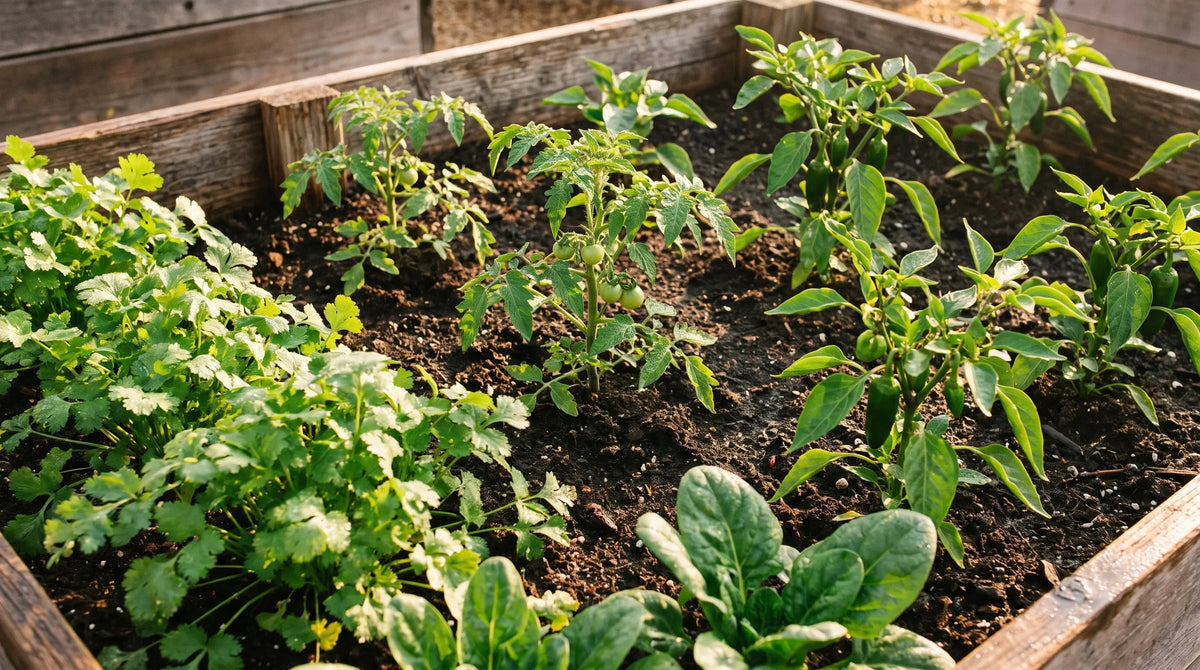
Jalapenos and cilantro end up in the same salsa, so grow them in the same bed. Since cilantro shrugs off light frost, sow it a few weeks before the peppers go out, leave gaps at pepper spacing, and start cutting before they fill in. Later sowings go on each plant's east side for afternoon shade. Peppers draw aphids, and hoverflies need pollen from flowers like cilantro's to ripen the eggs they lay beside aphid colonies. The larvae look like tiny, legless slugs. Leave them be; they're eating your aphids.
Sale

Jalapeno Pepper Seeds – Non-GMO HeirloomSalsa partnerHeirloom jalapeno with medium heat that shares the bed, and the salsa bowl, with cilantro.
Price$4.99Starting at$3.99
Tomatoes
A young Roma is still small when spring cilantro peaks. By early summer its bushy canopy shades the soil, and a late sowing on the tomato's east side holds off bolting longer than one in full sun. Paste tomatoes are prone to blossom-end rot when soil swings between soaked and dry, so the steady watering cilantro needs helps them too. Let some cilantro flower to feed the tiny wasps that lay eggs inside hornworms. Find one wearing white cocoons? It's done for, so leave it and let the wasps emerge.
Sale

Roma Tomato Seeds – VF, Non-GMO HeirloomSauce and salsaMeaty paste tomato with VF wilt resistance whose summer foliage shades late cilantro sowings.
Price$4.99Starting at$3.99
Spinach and lettuce
Spinach runs on cilantro's calendar. Both sprout best in cool soil, want rich ground that stays evenly moist, and bolt as days lengthen, so sow them together in early spring and again in late summer. Hot soil is what sinks the late sowing, so lay a board over the row to keep it cool and damp, and lift it the day sprouts show. Bloomsdale Long Standing is slow to bolt, so you keep picking a little longer as spring warms. Lettuce pairs the same way, its shallow roots leaving deeper soil to cilantro's taproot.
Sale

Bloomsdale Long Standing Spinach Seeds – Non-GMO HeirloomCool-season partnerCrinkled, dark green heirloom spinach that is slow to bolt and sows on cilantro's schedule.
Price$4.99Starting at$3.99
The cabbage family
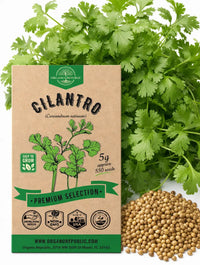
Cabbage, broccoli, and kale share cilantro's spring and fall seasons, and their aphids and cabbage worms keep its flower visitors busy. Gray, waxy cabbage aphids pack into leaf folds and broccoli heads where sprays barely reach, but hoverfly larvae crawl right in. Sow a cilantro border along the bed and let the oldest plants bloom.
What not to plant with cilantro
Fennel tops the list. It grows big enough to shade out a low herb and has a long reputation for stunting its neighbors, so give it a bed or pot of its own.
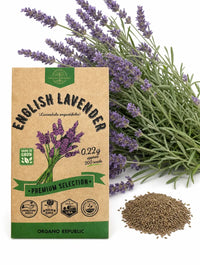
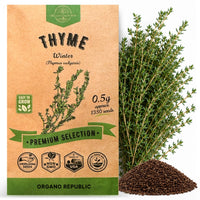
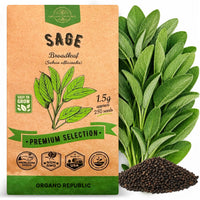
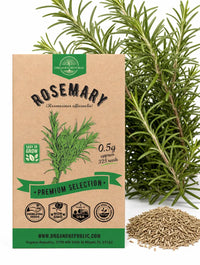
Woody Mediterranean herbs are the other mismatch. Rosemary, lavender, thyme, and sage want lean soil that dries between waterings, while cilantro needs steady moisture. As perennials, they'd also sit in the way of a patch you resow all season. Give them a hot, dry corner.
Basil is less a bad neighbor than a bad match on timing: cold nights stall it and can blacken its leaves just when cilantro peaks. Grow the two as a relay, not side by side.
Cilantro companion planting chart
| Plant | Verdict | Why |
|---|---|---|
| Peppers | Good | Sow cilantro first; peppers shade later sowings |
| Tomatoes | Good | Shade for late sowings; blooms feed hornworm parasites |
| Spinach | Good | Same seasons, soil, and water needs |
| Lettuce | Good | Same timing, shallower roots |
| Cabbage, broccoli, kale | Good | Blooms feed enemies of aphids and cabbage worms |
| Peas | Good | Same cool spring window |
| Basil | Timing only | Grow in sequence, not side by side |
| Fennel | Avoid | Too big; long blamed for stunting neighbors |
| Rosemary, lavender, thyme | Avoid | Want dry soil; cilantro needs steady moisture |
For the rest of your beds, see the full companion planting chart.
Setting up a bed that keeps cilantro coming
One big spring sowing is the classic mistake. Sow cilantro seeds in small patches every two to three weeks instead, so a new patch is coming up as the last one bolts. Mulch once seedlings are up and water before the top inch of soil dries, since a dry spell speeds bolting.
When a patch bolts, leave a few plants standing for the helpful insects. Once most seeds turn tan, cut the heads and hang them upside down in a paper bag to catch the coriander as it dries. Any seed you miss tends to come back as volunteers once the weather cools.
Frequently asked questions
What should you not plant next to cilantro?
Fennel is the main one to avoid. It grows big enough to shade a low herb, and it has a long reputation for stunting the plants around it. Rosemary, lavender, and thyme are poor matches too. They want lean soil that dries out between waterings, while cilantro bolts fast once it goes dry.
Can cilantro and basil be planted together?
They can share a bed, just rarely at the same time. Cilantro bolts as long days and summer heat arrive, while basil stalls in the cold and can blacken after a chilly night. Sow cilantro in spring, move basil into that spot once nights stay warm, then sow cilantro again for fall.
Does letting cilantro bolt and flower help nearby plants?
Yes. Its small, open flowers keep nectar within reach of hoverflies, lacewings, and tiny parasitic wasps, whose young go after aphids and caterpillars on nearby crops. Leave a few bolted plants standing, then cut the seed heads for coriander once most of the seeds turn tan.
Can I grow cilantro next to tomatoes and peppers?
Yes, and it's one of the best pairings. Cilantro handles light frost, so sow it a few weeks before they go out and harvest before they fill in. Put later sowings on their east side for afternoon shade. Even watering keeps cilantro from bolting early and helps prevent blossom-end rot.
Does cilantro repel garden pests like aphids?
Not reliably. Its scent gets credit for driving off aphids, but the real help comes when it flowers and feeds hoverflies and tiny parasitic wasps. Spot swollen, tan, papery aphids? Those are mummies with a wasp developing inside, so hold off on spraying and let the wasps finish the job.

- Choosing a selection results in a full page refresh.









 Easy Returns 30-day guarantee