


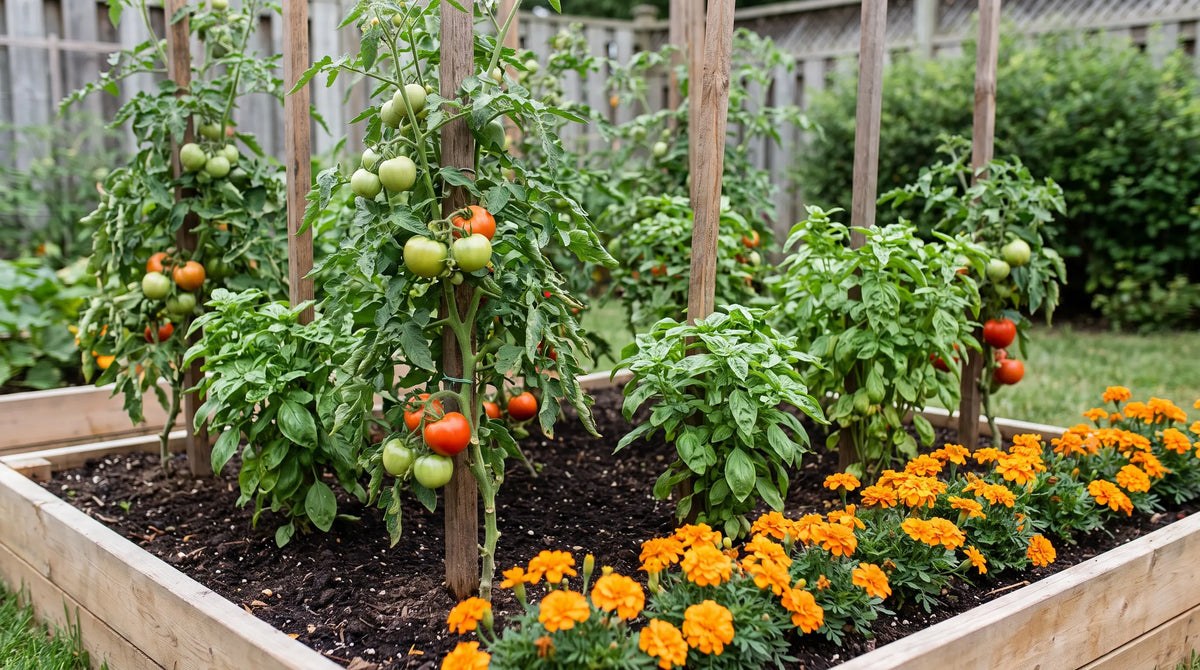
Companion Planting Chart: What to Plant Together (Full Vegetable Guide)
Updated October 2026
A good companion planting chart shows you at a glance which vegetables help each other and which ones to keep apart. Use the chart below to plan a bed where plants share space, keep pests off their neighbors, and feed the soil instead of fighting over it. Under it you will find how to read the chart and why the best pairings work.
| Crop | Grows well with | Keep apart from |
|---|---|---|
| Tomato | Basil, marigold, carrots, onions, nasturtium, parsley | Cabbage family, fennel, corn, potatoes |
| Pepper | Basil, onions, carrots, tomatoes, spinach | Fennel |
| Eggplant | Beans, peppers, marigold, spinach | Fennel |
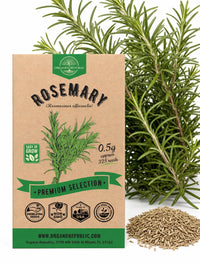
| Carrot | Onions, leeks, lettuce, radish, rosemary | Dill, fennel |
| Onion and garlic | Carrots, beets, lettuce, cabbage, tomatoes | Beans, peas |
| Leek | Carrots, celery, onions | Beans, peas |
| Beans (bush and pole) | Corn, squash, cucumber, carrots, radish | Onions, garlic, fennel |
| Peas | Carrots, radish, cucumber, corn, turnip | Onions, garlic |
| Corn | Beans, squash, cucumber, peas | Tomatoes |
| Squash and pumpkin | Corn, beans, nasturtium, radish, marigold | Potatoes |
| Zucchini | Corn, beans, nasturtium, radish | Potatoes |
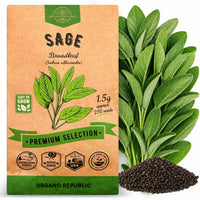
| Cucumber | Beans, corn, radish, dill, lettuce | Sage, potatoes |
| Melon | Corn, beans, radish, nasturtium | Potatoes |
| Lettuce | Carrots, radish, onions, beets, strawberries | Few conflicts |
| Spinach | Beans, peas, strawberries, brassicas | Few conflicts |
| Cabbage and broccoli | Onions, beets, dill, marigold, celery | Tomatoes, beans, strawberries |
| Kale | Beets, onions, dill, marigold | Tomatoes, beans, strawberries |
| Cauliflower | Beans, celery, onions, marigold | Tomatoes, strawberries |
| Beet | Onions, cabbage family, lettuce, radish | Pole beans |
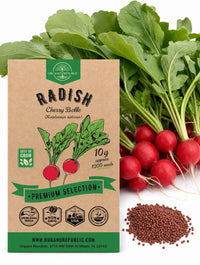
| Radish | Carrots, cucumber, lettuce, peas, squash | Hyssop |
| Potato | Beans, corn, cabbage, marigold, horseradish | Tomatoes, squash, cucumber |
| Celery | Onions, cabbage family, beans, tomatoes | Few conflicts |
| Strawberry | Lettuce, spinach, beans, onions | Cabbage family |
| Marigold and nasturtium | Almost every crop, as pest decoys and deterrents | Good with most beds |
How to use this chart
Think of the chart as a starting point, not a rulebook. Some pairings are backed by research, like beans feeding the soil for their neighbors, or marigolds knocking back root-knot nematodes. Others are garden tradition that has held up over generations. Good companions share space, timing, or a pest-fighting habit without competing. Plants to keep apart crowd the same roots, draw the same pests, or simply slow each other down. Try the pairings, watch your own beds, and keep what works for you.
Why good pairings work
Most helpful pairings earn their spot in one of four ways: they confuse pests, feed helpful insects, share nutrients, or stack up in space. Knowing the reason lets you adapt the chart to your own garden instead of following it blindly.
Hiding plants from pests
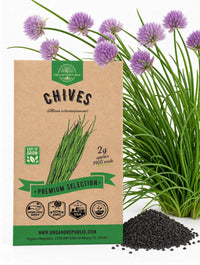
Strong smells throw pests off the scent. A row of onions or chives near your carrots helps cover the smell that carrot rust flies hunt for, and aromatic herbs like basil muddy the trail around tomatoes. Marigolds do something extra underground: French marigolds knock back root-knot nematodes in the soil, which is why they end up tucked into so many beds.
Sale

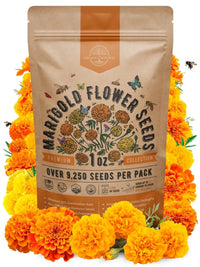
Marigold Seeds PackNatural pest-fighterThe classic all-purpose companion flower to edge beds throughout the garden and pull in pollinators.
Price$12.99Starting at$8.99
Feeding the good bugs
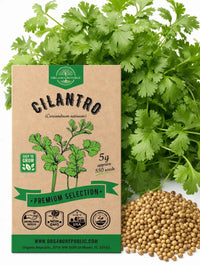
Not every insect is a problem. Flowers and flowering herbs feed the predators that eat your pests, from ladybugs to lacewings to tiny parasitic wasps. Let a few dill or cilantro plants flower and they become a magnet for those helpers, which then patrol the squash and tomatoes nearby. Nasturtium plays a different trick: aphids pile onto it and leave your beans and greens alone, so it works as a living trap.
Sharing food and space
Beans and peas pull nitrogen from the air and leave the soil richer for hungry crops like corn and squash that follow them. Pairing a deep-rooted crop like carrots with a shallow one like onions or lettuce lets them draw from different layers of soil instead of competing. And a tall plant can shade a short one or stand in for a trellis, so one bed does the work of two.
Three classic combinations
The Three Sisters: corn, beans, and squash
This is the most famous trio in the garden, and it earns the reputation. Corn gives the climbing beans a living pole. The beans feed nitrogen back to all three. The broad squash leaves shade the ground, hold in moisture, and smother weeds. Plant the corn first, add pole beans once the stalks are knee-high, then tuck squash around the base.


Contender Bush Bean Seeds – Non-GMO HeirloomFeeds the soilNitrogen-fixing bush bean, the third partner in the Three Sisters trio.
Price$4.99
Tomato and basil
The pairing that works on the plate works in the bed too. Basil's strong scent helps cover your tomatoes from a few common pests, and the two have grown side by side for generations. Basil also stays low, so it fills the bare space at the foot of a staked tomato instead of leaving it empty.
Sale

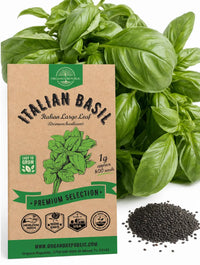
Sweet Basil Seeds – Italian Large Leaf, Non-GMO HeirloomTomato's best friendItalian large-leaf sweet basil, the classic partner to tuck at the base of staked tomatoes.
Price$4.99Starting at$3.99
Carrots and onions
An old favorite for good reason. The onion smell helps throw off the carrot rust fly, and the carrot smell helps confuse the onion fly, so each one looks after the other. They root at different depths too, which means they share a row without crowding. Slip in some lettuce or radish to use the gaps while the roots size up.
Plants to keep apart
Not every neighbor helps. Keep onions and garlic away from beans and peas, since the alliums can stunt young legumes. Give fennel its own corner, because it sits poorly next to almost everything. Keep tomatoes away from cabbage-family crops and from corn, which share the same pests and diseases, and do not crowd potatoes in beside squash or tomatoes. When two heavy feeders both want the same spot, give them their own space instead of forcing it.
Starting your own plan
Begin with the chart, but plant what you will actually cook and eat. Run marigolds and nasturtium along the edges as all-purpose helpers, keep a patch of beans or peas to feed the soil, and let a few herbs flower for the pollinators. The real skill comes from watching. Notice what thrives next to what in your garden, then do more of it next year.
Related guides
- 13 Types of Basil and How to Use Each One in the Kitchen
- Pumpkin Growing Stages: From Seed to Jack-o'-Lantern
- Types of Beans: A Complete Guide to Bush, Pole, Snap & Shell Varieties
- Types of Cucumbers: Slicing, Pickling & Specialty Varieties Explained
- Types of Melons: 15 Varieties from Cantaloupe to Honeydew
Frequently asked questions
What is companion planting?
Companion planting means growing certain crops near each other so they help rather than compete. Good neighbors deter pests, attract pollinators, fix nitrogen, or share space efficiently, while poor pairings crowd resources or spread the same pests and diseases.
What vegetables should not be planted together?
Keep onions, garlic, and chives away from beans and peas, since alliums can slow legume growth. Separate tomatoes from cabbage-family crops and corn, which share pests. Fennel grows poorly beside most vegetables and is best given its own corner.
What are the Three Sisters in companion planting?
The Three Sisters is a Native American trio of corn, beans, and squash. Corn is a living pole for the beans, the beans fix nitrogen that feeds all three, and sprawling squash leaves shade the soil to hold moisture and smother weeds.
Do marigolds really help a vegetable garden?
Yes. French marigolds are widely documented to suppress root-knot nematodes in the soil, and their strong scent helps mask nearby crops from some pests. Tucked along bed edges, they act as an all-purpose companion for tomatoes, squash, and brassicas.
Why plant basil with tomatoes?
Basil's strong aroma is thought to help mask tomatoes from pests, and gardeners have paired them for generations. Basil also stays compact, so it fills the bare space at the base of staked tomatoes without competing with the vines for light.

- Choosing a selection results in a full page refresh.











 Easy Returns 30-day guarantee