


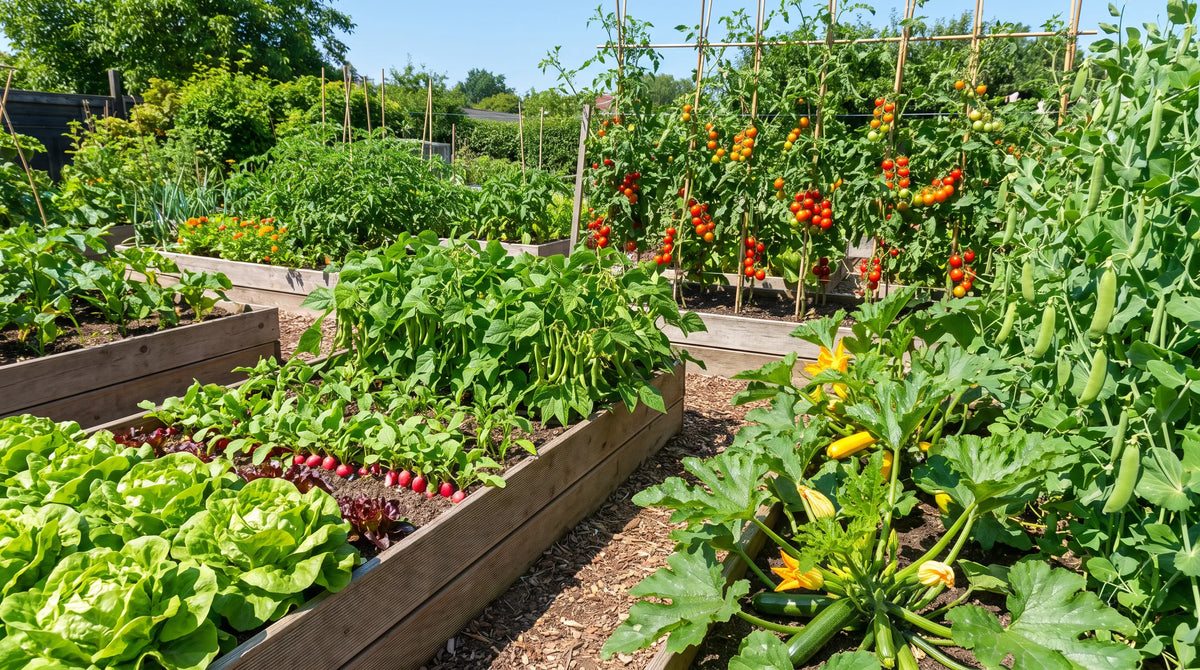
20 Easiest Vegetables to Grow From Seed for Beginners
Updated November 2026
You sowed a row of seeds with high hopes and got a few spindly sprouts, or nothing at all. That's rarely a missing green thumb. Usually the crop didn't suit the season, or the soil was too cold or too dry. The easiest vegetables to grow sprout fast, go straight into the ground, and forgive a first season's mistakes.
What makes a vegetable easy for beginners
Easy vegetables to grow for beginners share three traits. Speed comes first: the fastest growing vegetables reveal mistakes while there's time to resow, so a split radish teaches you about uneven watering within weeks. Next is direct sowing, since a seed that sprouts in place never stretches toward a dim window or suffers transplant shock. Last is forgiveness: a missed watering costs days, not the crop.

The 20 easiest vegetables to grow, ranked by speed
Days run from sowing to first harvest (baby leaves, for leafy crops). Cold soil and variety shift every number, and fall sowings run a week or two slower as days shorten.
| # | Vegetable | Season | Days to first harvest |
|---|---|---|---|
| 1 | Radishes | Cool | 21 to 30 |
| 2 | Arugula | Cool | 21 to 40 |
| 3 | Mustard greens | Cool | 21 to 45 |
| 4 | Leaf lettuce | Cool | 28 to 50 |
| 5 | Spinach | Cool | 30 to 45 |
| 6 | Bok choy | Cool | 30 to 50 |
| 7 | Turnips | Cool | 30 to 55 |
| 8 | Kale | Cool | 30 to 60 |
| 9 | Swiss chard | Cool | 30 to 60 |
| 10 | Collards | Cool | 40 to 80 |
| 11 | Zucchini | Warm | 45 to 60 |
| 12 | Bush beans | Warm | 50 to 60 |
| 13 | Beets | Cool | 50 to 60 |
| 14 | Kohlrabi | Cool | 50 to 60 |
| 15 | Cucumbers | Warm | 50 to 70 |
| 16 | Peas | Cool | 55 to 70 |
| 17 | Okra | Warm | 55 to 70 |
| 18 | Green onions | Cool | 60 to 75 |
| 19 | Carrots | Cool | 60 to 75 |
| 20 | Cherry tomatoes | Warm | 60 to 80 after transplant |
Cool season vegetables for spring and fall
Fifteen of the twenty like cool weather and shrug off light frost. Heat and long days push many to bolt, sending up a flower stalk as leaves turn bitter, so sow them in early spring or late summer.
Salad in a month: radishes, arugula, mustard, and lettuce
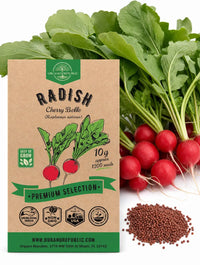
Radishes are the fastest win, especially round types like Cherry Belle. Sow them half an inch deep, thin to two inches apart, and start checking at three weeks. They turn pithy and fiery soon after their peak. All tops and no root means crowding, shade, or too much nitrogen.
Arugula and mustard greens give baby leaves in about three weeks. Like radishes, they're cabbage relatives that draw flea beetles, which pepper young leaves with tiny holes. Lay row cover the day you sow and bury its edges, but not over last year's cabbage family bed, where overwintering beetles can emerge underneath.
Lettuce seed needs light to germinate well, so press it onto the surface and barely cover it. Pick outer leaves and the center keeps producing for weeks. Hot soil can send the seed into dormancy, so sow late summer rows in the evening and shade them until they sprout.
Greens that keep giving: spinach, bok choy, kale, chard, and collards
Spinach sprouts in soil as cool as 40°F, but long days make it bolt no matter how you water, so grow it in early spring and fall. Bok choy bolts after long warm days or a run of cold nights while young, making fall its surest season.
Kale and collards are the most forgiving greens, and frost sweetens them as starch turns to sugar. Pick the lowest leaves first, never the growing tip, and one plant feeds you for months. Chard fills the summer gap when spinach quits, regrowing after every cut.
Roots, peas, and green onions
Turnips give greens in about a month and roots soon after, if you take only a few leaves per plant. Pull roots at two to three inches across, before they turn woody. Soaked beet seed sprouts faster. Each wrinkled "seed" is a cluster of several (chard's too), so snip each clump to one seedling with scissors, since pulling disturbs the keeper's roots. With kohlrabi you eat the swollen stem, crisp and sweet at about tennis ball size.
Peas go in four to six weeks before your last frost, but never into soggy ground, where the seed rots. Give even short varieties netting to climb, and pick every day or two, since a vine left to ripen pods slows down.
Carrots ask for the most patience. The tiny seed can take up to three weeks to sprout, and a crusted or dry surface is the usual reason a row fails. Lay a board over the row to hold moisture and lift it when green threads appear. A few radish seeds mixed in sprout first and mark the row. Skip fresh manure, which forks roots, and in heavy soil grow stubby types like Royal Chantenay.
Green onions start as slow, grassy seedlings easily lost among weeds, so weed by hand early. Pull them at pencil thickness, or cut an inch above the soil and let them regrow.
Warm season vegetables for summer
Warm season crops die at the first frost, and their seed rots in cold, wet ground. After your last frost, sow beans and squash once the soil reaches 60°F, and cucumbers and okra nearer 70°F. A soil thermometer beats the calendar. A week late costs you almost nothing. A week early can cost you the planting.
Sow bush beans an inch deep, pick every few days, and stay out of the patch when leaves are wet, since brushing wet foliage spreads disease. Two zucchini plants are plenty. Their first flowers are often all male and simply drop. Fruit follows once the females open. Pick young, and sow a second round a month later as insurance against vine borers and mildew.
Cucumbers grow cleaner and straighter on a trellis, and steady watering keeps them from turning bitter. Row cover shields young vines from cucumber beetles until bloom, then comes off for the bees. Pick small and often, since one overgrown fruit slows the plant. Soak okra seed overnight, pick pods every day or two at two to four inches, and wear gloves, because the plants are prickly.
Of the twenty, only cherry tomatoes need an indoor start. Sow them under a grow light six to eight weeks before your last frost and harden them off for a week. Then plant them deep once nights stay above 50°F, since the buried stem grows extra roots. They ripen earlier and set fruit more reliably than big slicers.
Sale

Summer Vegetable Seeds Variety Pack – Non-GMO HeirloomWarm season starterSummer staples that love the heat, such as beans, squash, cucumbers, and tomatoes, in one non-GMO heirloom kit with each variety in its own labeled packet.
Price$27.99Starting at$18.99
Habits that keep easy crops easy
Sow each seed two to three times as deep as it is wide, firm the soil over it, and keep the bed evenly damp until sprouts appear. A germinating seed that dries out is finished. Thin early and without guilt, by the first true leaves. Fruiting crops need at least six hours of sun, while greens and roots manage with less. Resow quick crops like radishes and bush beans every few weeks.
Sale

Vegetable Seeds Variety PackTry a bit of everythingChoose from 20 to 55 non-GMO heirloom vegetable varieties in labeled, resealable packets, with the largest set covering nearly all twenty easy crops. A smart way to learn what your garden grows best.
Price$21.99Starting at$14.39
Herbs to tuck between the rows
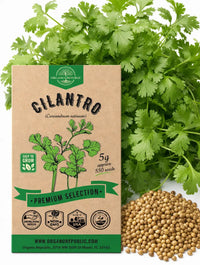
Dill and cilantro resent transplanting, so sow them in the garden in spring, repeating cilantro every few weeks because it bolts in heat. Sow basil in warm soil and pinch the tips to keep it bushy. Let some dill flower; its blooms draw hoverflies and tiny wasps that keep aphids in check.
Sale

Herb & Vegetable Seeds Variety Pack – Non-GMO HeirloomHerbs plus vegetablesKitchen herbs like basil, dill, and cilantro alongside everyday vegetables, all non-GMO heirloom seed, packed with garden tools in a wooden storage box.
Price$63.99
Sale Price$47.99
Save these for your second season
Peppers and eggplant need eight to ten weeks indoors, ideally on a heat mat. Celery wants months of constant moisture, and bulb onions only bulb when the variety suits your day length. Cauliflower is the classic heartbreaker: heat, drought, or any check in growth can leave tiny, premature heads.
Best vegetables to grow for beginners this season
Where winters stay mild, roughly zones 8 to 10, fall and winter are prime time for cool season crops. In colder areas, be ready early: peas, spinach, and radishes can go in once a squeezed handful of soil crumbles instead of forming a sticky ball.
Frequently asked questions
What are the easiest vegetables to grow for beginners?
Radishes, leaf lettuce, spinach, bush beans, and zucchini are the safest bets. All five go straight into the ground, grow fast, and forgive first mistakes. Sow the first three in early spring or late summer, and beans and zucchini after your last frost, once the soil reaches about 60°F.
What is the fastest vegetable to grow from seed?
Radishes win, with round types like Cherry Belle ready to pull in 21 to 30 days in cool weather. Arugula, mustard greens, and leaf lettuce come close as baby leaves. Cut them an inch above the soil at three to four weeks, and most will regrow for another cutting or two.
Which vegetables are hardest for beginners to grow from seed?
Peppers, eggplant, celery, cauliflower, and bulb onions are the trickiest. Peppers and eggplant need weeks of warm indoor growing, celery needs months of steady moisture, cauliflower forms tiny heads under stress, and bulb onions must suit your day length. Save them for year two.
Can beginners grow vegetables in fall and winter?
Yes. Spinach, kale, lettuce, radishes, and collards often do better in fall than spring, since they mature into cooling weather. Sow so they near full size before late fall's short days, when growth nearly stops. Mild areas grow them all winter, and elsewhere row cover stretches the harvest.
Is it cheaper to grow vegetables from seed than to buy plants?
Usually, by a wide margin. A seed packet often costs about what one nursery seedling does, yet it can sow whole rows, and most seed keeps a few years stored cool and dry. Carrots, radishes, beans, and peas are rarely sold as transplants at all, because they grow best sown in place.

- Choosing a selection results in a full page refresh.












 Easy Returns 30-day guarantee