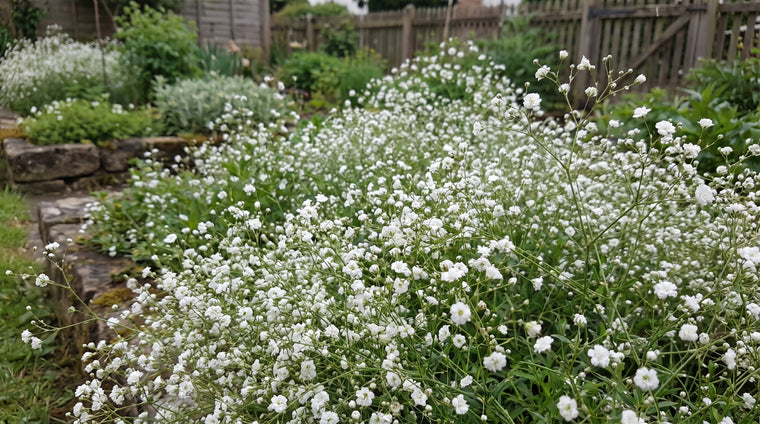
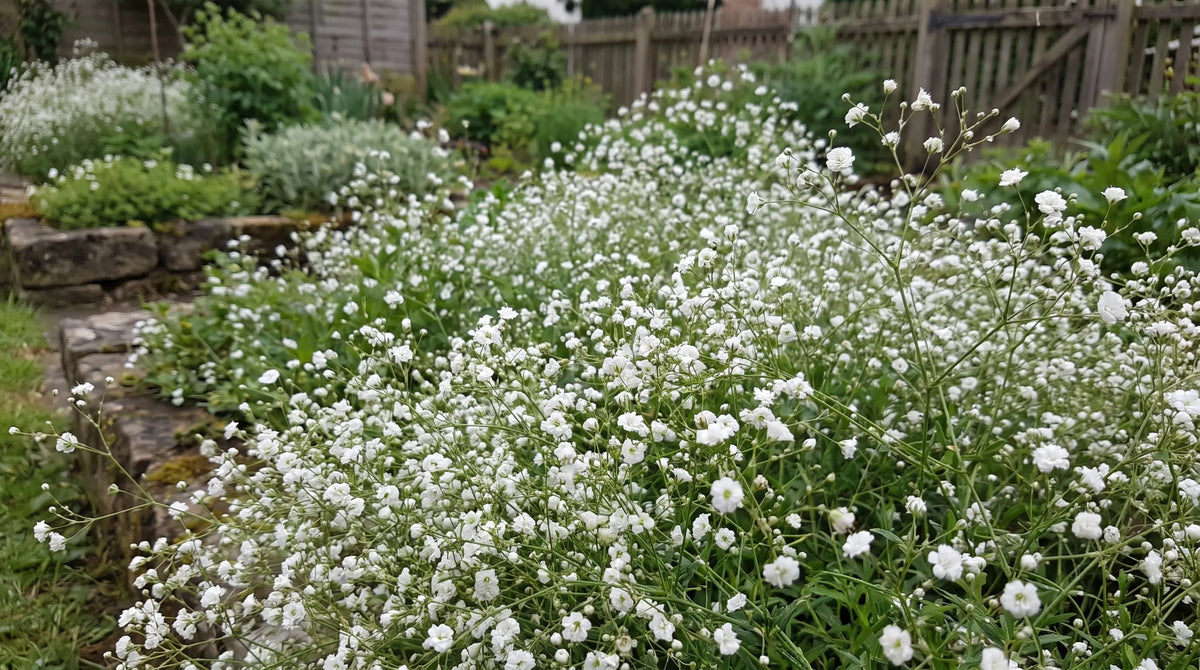
Airy white baby's breath (Gypsophila) in full bloom in a sunny garden bed

How to Grow Baby's Breath From Seed

Updated July 2026

Baby's breath is the soft, misty cloud that makes every bouquet look finished, and the good news is that annual baby's breath (Gypsophila elegans) is one of the easiest flowers you can grow from seed. In just eight to ten weeks it turns a sunny patch of well-drained soil into a haze of tiny white blooms, perfect for cutting fresh or drying for wreaths and arrangements. It asks for very little: sun, sweet soil, and a fresh sowing every few weeks to keep the airy sprays coming. This guide covers everything you need to grow it well from seed to vase.

Best tip

Sow in succession for a season of blooms. A single planting of annual baby's breath flowers for only a few weeks, so the trick to a steady supply is to scatter a small fresh patch every two to three weeks from spring into midsummer. This staggered sowing keeps that airy white cloud coming for cutting and drying all season long, with almost no extra effort.

At a glance

Botanical nameGypsophila elegans
Plant typeAnnual flower
USDA zonesGrown as an annual in zones 3 to 9
SunFull sun
Days to maturityAbout 8 to 10 weeks to bloom
Height12 to 24 in
Spacing8 to 12 in
WaterModerate; well-drained soil, let it dry between waterings

When to plant

Sow annual baby's breath directly outdoors after your last spring frost, once the soil has warmed. It grows so quickly that there is little benefit to starting it indoors, and it dislikes root disturbance, so direct sowing is best. Because each sowing blooms for only a few weeks, the secret to a long season is succession: scatter a fresh patch every two to three weeks from spring through midsummer for continuous airy white flowers.

How to plant

Choose a spot in full sun with light, well-drained soil; baby's breath actually prefers slightly alkaline ground, so work in a little garden lime if your soil is acidic. Scatter the tiny seeds thinly over the surface and press them in or barely cover them, no more than about an eighth of an inch, since they need some light to germinate. Keep the surface lightly moist and expect sprouts in one to two weeks. Once seedlings are up, thin them to about 8 to 12 inches apart so the branching stems form that signature misty cloud.

Growing and care

Baby's breath is refreshingly hands-off once it is up. Water moderately and let the soil dry a bit between waterings, since it hates wet feet far more than it minds a little drought. It needs no rich feeding; lean soil actually gives sturdier, more graceful growth. Taller plantings may lean, so a few twiggy branches or a light grid of support keeps the airy stems upright. Deadhead or keep cutting to tidy the plant, and simply sow again for fresh blooms rather than expecting a long rebloom from a single annual planting.

The best companion plants

Baby's breath is born to share a cutting garden. These sun-loving heirlooms bloom alongside it and fill out a bouquet beautifully:

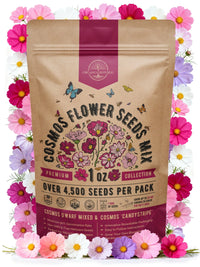
SaleCosmos Seeds
Cosmos SeedsCut-flower classicAiry, daisy-like blooms that pair perfectly with baby's breath in bouquets and beds.
Price$14.99Starting at$12.99
View product
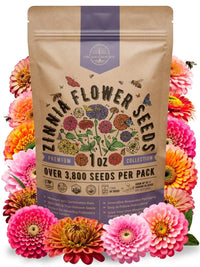
Zinnia Seeds Pack
Zinnia Seeds PackHeirloom, non-GMOBold, long-lasting cut flowers that love the same full sun as baby's breath.
Starting at$4.99
View product
SaleSnapdragon Seeds
Snapdragon SeedsHeirloom, non-GMOTall, colorful spikes that add height to the airy cloud of baby's breath in a bouquet.
Price$19.99 Sale Price$16.99
View product

It loves sun and sharp drainage, not wet feet. The one way to fail with baby's breath is to plant it in shade or heavy, soggy soil. It is a sun-lover that prefers light, slightly alkaline, well-drained ground and will rot in wet conditions. Note too that Gypsophila is grown as an ornamental and is not a food plant, and its pollen can be an irritant to some sensitive people when handling large dried bunches.

Harvest

For the vase, cut baby's breath when most of the tiny flowers on a stem have opened, working in the cool of the morning for the longest vase life. It is one of the finest flowers for drying: gather loose bundles, secure the stems, and hang them upside down in a warm, dark, airy spot for a week or two until crisp. Dried this way, the delicate sprays hold their shape and pale color for months in wreaths and arrangements. To save seed, let a few stems finish and dry on the plant, then collect the ripe seed.

Uses

Baby's breath is the classic filler flower, softening and unifying bouquets with its cloud of tiny white blooms, but it is lovely on its own too, drifting through borders and cottage plantings like a fine mist. It is a top choice for both fresh and dried arrangements, wedding work, and everlasting wreaths, and its small flowers offer nectar to bees and other small pollinators. Easy, airy, and endlessly useful, it earns its place in any cutting garden.

Common problems

  • Poor germination: seeds sown too deep. Barely cover them since they need light, and keep the surface lightly moist until they sprout.
  • Leggy, flopping plants: too much shade or overly rich soil. Grow in full sun and lean soil, and give tall plantings a little twiggy support.
  • Root rot and yellowing: heavy or waterlogged soil. Baby's breath needs sharp drainage, so improve the soil and water only when the top layer dries.
  • Short bloom window: normal for an annual. Sow successionally every two to three weeks so a fresh patch is always coming into flower.
  • Weak growth in acidic soil: this flower prefers sweet, slightly alkaline ground. Add a little garden lime to raise the pH if needed.

Frequently asked questions

How long does baby's breath take to bloom from seed?

Annual baby's breath (Gypsophila elegans) is fast. Sown directly in warm soil, it typically flowers in about 8 to 10 weeks. Because each plant blooms for a relatively short window, sow a fresh patch every two to three weeks through spring and early summer for a steady supply of those airy white sprays.

Is annual baby's breath the same as the perennial kind?

Not quite. This guide covers annual baby's breath, Gypsophila elegans, which grows quickly from seed, blooms in one season, and does not come back. The florist's perennial baby's breath is Gypsophila paniculata, a longer-lived plant with a woodier base. The annual is the easiest to grow from seed for cut and dried flowers.

What soil does baby's breath like?

Baby's breath thrives in full sun and light, well-drained soil, and it actually prefers slightly alkaline (sweet) ground. If your soil is acidic, a little garden lime can help. The one thing it will not tolerate is heavy, soggy soil, which causes the roots to rot, so good drainage matters more than rich fertility.

Can you dry baby's breath?

Yes, it is one of the best flowers for drying. Cut the stems when most of the tiny flowers are open, bundle them loosely, and hang them upside down in a warm, dark, airy spot for a week or two. The delicate white sprays hold their shape beautifully and last for months in dried arrangements and wreaths.

How big does annual baby's breath get?

Gypsophila elegans usually reaches about 12 to 24 inches tall, forming a light, branching cloud of tiny white flowers. Space or thin plants to roughly 8 to 12 inches apart so the airy stems have room, and sow densely in drifts for that signature misty look in the garden.

Ready to grow your own baby's breath? Start with our non-GMO, heirloom 21 Annual Wildflower Mix for a fast, easy cutting garden, or browse the full selection at /collections/wildflower-seeds and fill your beds with airy white blooms.

Sale21 Annual Wildflower Seeds Mix
21 Annual Wildflower Seeds MixBest value21 fast heirloom annuals for a full season of easy color and cutting flowers.
Price$24.99 Sale Price$22.99
View product

Planting a whole cutting garden? Add these non-GMO heirloom wildflower mixes:

Sale16 Perennial Wildflower Seeds Mix
16 Perennial Wildflower Seeds Mix16 heirloom perennials that come back year after year for a lasting cutting garden.
Price$14.99Starting at$12.99
View product
Sale23 Birds & Butterflies Wildflower Seeds Mix
23 Birds & Butterflies Wildflower Seeds Mix23 nectar-rich wildflowers to draw hummingbirds and butterflies to your cutting patch.
Price$14.99Starting at$12.99
View product
Sale19 Bees & Pollinators Wildflower Seeds Mix
19 Bees & Pollinators Wildflower Seeds Mix19 bee-friendly blooms to keep pollinators busy alongside your baby's breath.
Price$24.99 Sale Price$22.99
View product
Maxim Kaufman, Founder and CEO of Organo Republic

By Maxim Kaufman — Founder & CEO, Organo Republic

Maxim founded Organo Republic in 2017 and personally selects, tests, and grows the heirloom, non-GMO varieties the company offers. Under his leadership, Organo Republic was named Agri Business Review’s Top Non-GMO Seed Variety Solution 2026.