Home / Growing Guides / How to Grow Black-Eyed Susan From Seed
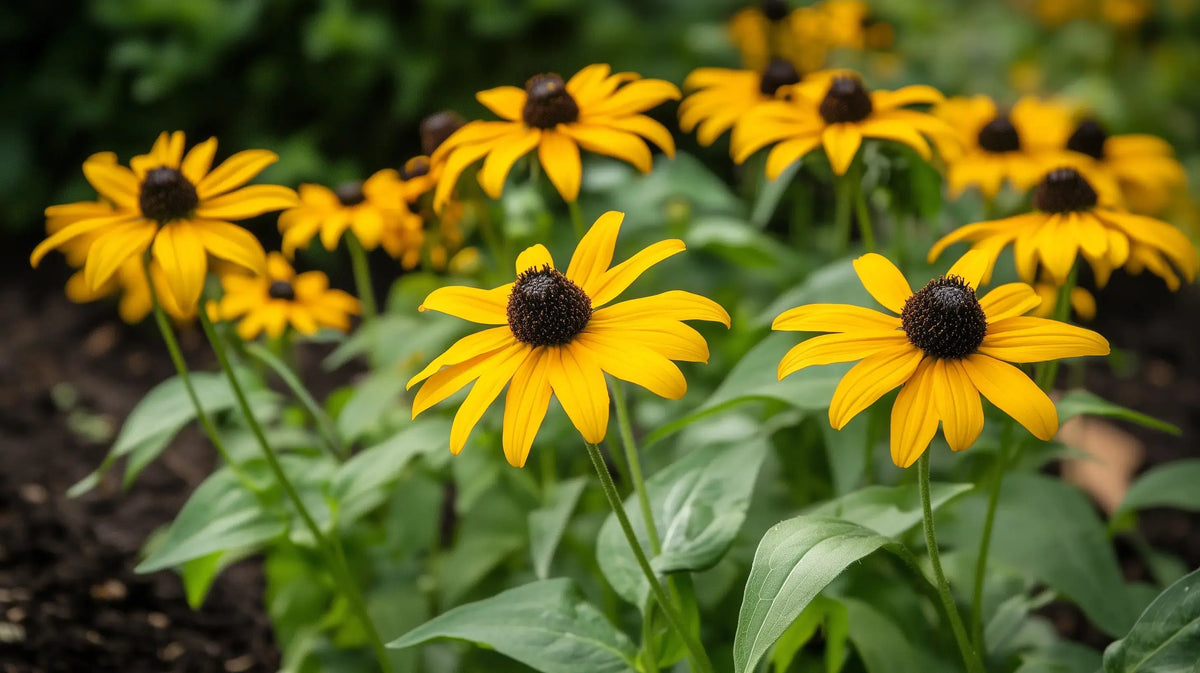
Black-eyed Susan flowers with golden petals and dark centers in a meadow garden

How to Grow Black-Eyed Susan From Seed

Updated July 2026

Black-eyed Susan is the golden face of the late-summer garden, a tough native wildflower that blooms when many others are fading. Its cheerful yellow petals radiate around a dark chocolate center, standing on sturdy stems that shrug off heat, drought, and poor soil. Bees and butterflies love the open flowers, and goldfinches feast on the seed heads come fall. Easy to grow from seed and quick to naturalize, Rudbeckia hirta gives you years of dependable color for almost no effort.

Best tip

Do not bury the seed. Black-eyed Susan seed needs light to germinate, so the number one mistake is planting it too deep. Simply scatter it on prepared soil and press it in for good contact, leaving it at or barely below the surface. Keep it lightly moist, give it sun, and germination follows reliably.

At a glance

How to Grow Black-Eyed Susan From Seed — growing specifications at a glance
Botanical nameRudbeckia hirta
Plant typeShort-lived perennial or biennial, often grown as an annual
USDA zonesUSDA zones 3 to 9
SunFull sun (6+ hours); tolerates light afternoon shade
Days to maturityBlooms summer into fall; first-year bloom from an early sowing
Height24 to 36 in
Spacing12 to 18 in apart
WaterLow to moderate; drought tolerant once established

When to plant

Black-eyed Susan seed can go into the garden in either spring or fall. For spring sowing, wait until after the last frost when the soil has warmed. For a more natural approach, sow in late fall and let winter cold stratify the seed for a strong flush the following season. If you want blooms the very first summer, start seeds indoors 6 to 8 weeks before your last frost, then transplant out once the weather settles. Sown early enough, Rudbeckia hirta will often flower in its first year.

How to plant

Pick a sunny, open spot with average, well-drained soil; black-eyed Susan is not fussy and even tolerates poor and clay soils. The one rule that matters most is light: these seeds need light to germinate, so do not bury them. Scatter the seed on the surface and press it gently into contact with the soil, barely covering it if at all. Keep the surface lightly moist until seedlings appear, usually in 1 to 3 weeks. Thin or space plants about 12 to 18 inches apart so they have room to form full, sturdy clumps.

Growing and care

Once established, black-eyed Susan is wonderfully self-sufficient. Water new plantings regularly until the roots take hold, then ease off; mature plants are notably drought tolerant and rarely need extra care. Skip heavy feeding, since these natives thrive in lean conditions. Deadheading through summer keeps the plants tidy and pushes more blooms, but leaving some of the final seed heads standing feeds goldfinches and lets the plant self-sow. Divide established clumps every few years in spring to keep them vigorous.

The best companion plants

Black-eyed Susan shines alongside other sun-loving natives and prairie flowers that share its tough, pollinator-friendly nature. Try these non-GMO companions:

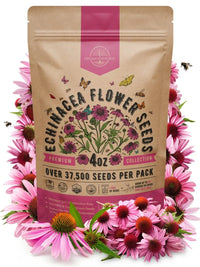
SalePurple Coneflower Seeds – Echinacea, Non-GMO Heirloom
Purple Coneflower Seeds – Echinacea, Non-GMO HeirloomHeirloom, non-GMOThe purple coneflower, a native prairie partner that blooms right alongside.
Price$4.99Starting at$3.99
View product
Zinnia Flower Seeds – Non-GMO Heirloom
Zinnia Flower Seeds – Non-GMO HeirloomHeirloom, non-GMOBold, long-blooming color that butterflies adore in the same sunny bed.
Starting at$4.99
View product
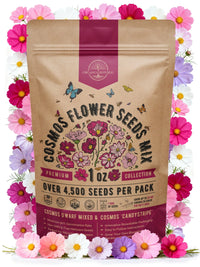
SaleCosmos Flower Seeds – Non-GMO Heirloom
Cosmos Flower Seeds – Non-GMO HeirloomHeirloom, non-GMOAiry annual blooms that fill the gaps between clumps of Rudbeckia.
Price$14.99Starting at$12.99
View product

Black-eyed Susan self-seeds enthusiastically. Left to set seed, Rudbeckia hirta will scatter and pop up in new spots around the garden, which is wonderful for a naturalized meadow but can crowd a formal bed. If you want to keep it in bounds, deadhead before the seed heads ripen. It is a well-behaved native, not invasive, just generous. Note it is a short-lived perennial, so allowing some self-sowing keeps the patch going.

Harvest

Black-eyed Susans are excellent, long-lasting cut flowers with a cheerful, meadow feel. Cut stems in the morning when the flowers have just opened fully and the centers are still firm, then place them straight into water for a vase life of about a week or more. For drying, harvest the seed heads once they turn dark and brittle in fall. Leave a few heads on the plant through winter to feed birds and to let seed drop for next year's volunteers.

Uses

Black-eyed Susan is a workhorse of the pollinator and native garden. Its nectar-rich, daisy-like flowers draw bees, butterflies, and beneficial insects all summer, while the fall seed heads are a favorite of goldfinches and other songbirds. Gardeners prize it for naturalizing meadows, filling borders, and supplying armfuls of long-lasting cut flowers. It is also notably deer-resistant, making it a reliable choice where browsing is a problem.

Common problems

  • Seeds not germinating: the most common cause is burying them. Rudbeckia needs light to sprout, so surface sow and only press the seed in rather than covering it.
  • Powdery mildew on foliage: a grayish coating common in humid, crowded plantings. Space plants for airflow, water at the base, and remove badly affected leaves.
  • Leaf spot or dark blotches: fungal spotting in wet seasons. Clean up debris in fall, avoid overhead watering, and give plants room to dry between waterings.
  • Floppy plants in rich soil: overly fertile or shady conditions make growth leggy. Grow in full sun and lean soil for sturdy, self-supporting clumps.
  • Short lifespan of individual plants: Rudbeckia hirta is short-lived, but it self-seeds readily. Let some seed heads mature and the patch renews itself year after year.

Frequently asked questions

Is black-eyed Susan a perennial or an annual?

Rudbeckia hirta is technically a short-lived perennial or biennial, hardy in USDA zones 3 to 9. Individual plants may only live a few years, but it self-seeds so readily that a patch effectively perennializes and returns on its own.

Do black-eyed Susan seeds need light to germinate?

Yes. This is the key to success with Rudbeckia. Surface sow the seed and press it into the soil for contact, but do not bury it, or it may fail to sprout. Keep the surface lightly moist until seedlings appear.

When does black-eyed Susan bloom?

Black-eyed Susan blooms from mid-summer well into fall. Plants started indoors early or sown the previous fall often flower in their first summer, then bloom reliably each year after.

Is black-eyed Susan deer resistant?

Yes, black-eyed Susan is considered deer resistant. Its slightly coarse, hairy foliage is unappealing to deer, making it a dependable choice for gardens where browsing is a problem, though no plant is ever completely deer-proof.

How tall does black-eyed Susan get?

Rudbeckia hirta typically grows 24 to 36 inches tall in full sun. Give plants about 12 to 18 inches of spacing so they form sturdy, self-supporting clumps rather than flopping.

Ready to grow your own black-eyed Susan? Our 16 Perennial Wildflower Seeds Mix brings this golden native together with other long-lived, pollinator-loved blooms for a meadow that returns year after year. Explore the full range at /collections/wildflower-seeds.

SalePerennial Wildflower Seeds Mix – Non-GMO Heirloom
Perennial Wildflower Seeds Mix – Non-GMO HeirloomBest for black-eyed SusanA long-lived native blend built to return and feed pollinators year after year.
Price$14.99Starting at$12.99
View product

Want a full pollinator meadow? Pair black-eyed Susan with these non-GMO wildflower mixes:

SaleButterfly Garden Wildflower Seeds Mix – Non-GMO Heirloom
Butterfly Garden Wildflower Seeds Mix – Non-GMO HeirloomA blend chosen to draw in birds and butterflies all season.
Price$14.99Starting at$12.99
View product
SalePollinator Garden Wildflower Seeds Mix – Non-GMO Heirloom
Pollinator Garden Wildflower Seeds Mix – Non-GMO Heirloom19 varieties selected to feed bees and pollinators.
Price$24.99 Sale Price$22.99
View product
SaleWildflower Seed Mix – Non-GMO Heirloom
Wildflower Seed Mix – Non-GMO Heirloom21 fast annuals for first-year color while the perennials establish.
Price$24.99 Sale Price$22.99
View product
Maxim Kaufman, Founder and CEO of Organo Republic

By Maxim Kaufman — Founder & CEO, Organo Republic

Maxim founded Organo Republic in 2017 and personally selects, tests, and grows the heirloom, non-GMO varieties the company offers. Under his leadership, Organo Republic was named Agri Business Review’s Top Non-GMO Seed Variety Solution 2026.

Stay Connected

Join Our Garden Community

Daily garden inspiration, how-to videos & behind-the-seeds stories.