


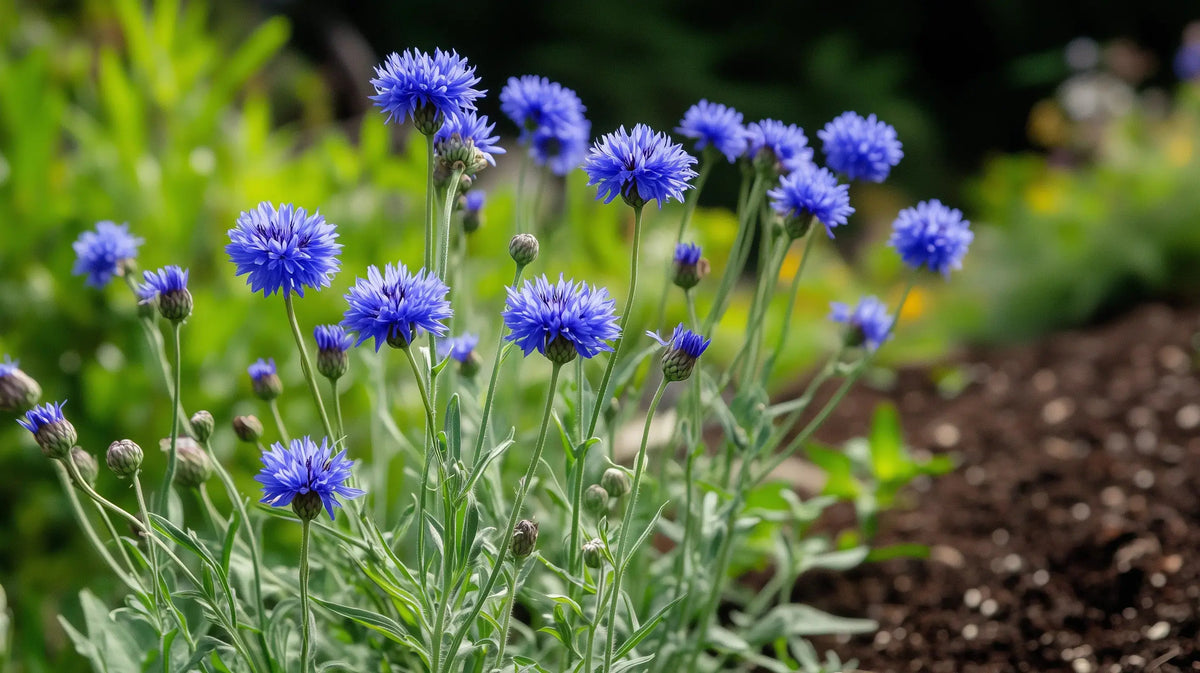
How to Grow Cornflower From Seed: Complete Guide
Updated July 2026
Few flowers are as easy, cheerful, and rewarding as cornflower, the old-fashioned bachelor's button (Centaurea cyanus). This hardy annual delivers clouds of true-blue blooms on airy stems, thrives on lean soil and neglect, and pulls in bees, butterflies, and beneficial insects all season long. It is a classic cut and dried flower, its petals are edible, and it happily self-seeds for years of color. Here is everything you need to grow cornflower from seed, from sowing to harvest.
Growing a specific variety?
Best tip
At a glance
 Botanical name Botanical name | Centaurea cyanus |
|---|---|
 Plant type Plant type | Annual flower |
 USDA zones USDA zones | 2 to 11 (grown as an annual) |
 Sun Sun | Full sun |
 Days to maturity Days to maturity | 65 to 90 days to bloom |
 Height Height | 12 to 36 in |
 Spacing Spacing | 6 to 12 in |
 Water Water | Low to moderate; drought-tolerant once established |
When to plant
How to plant
Growing and care
The best companion plants
Sale

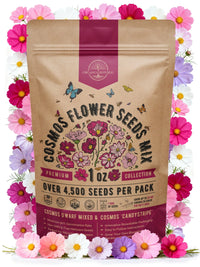
Cosmos Flower Seeds – Non-GMO HeirloomEasy cut flowerAiry cosmos loves the same lean soil and full sun, adding height and pollinator power beside cornflower.
Price$14.99Starting at$12.99

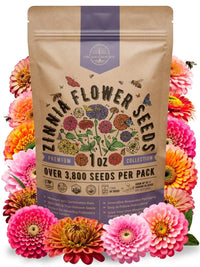
Zinnia Flower Seeds – Non-GMO HeirloomButterfly favoriteBold, heat-loving zinnias carry the color into high summer as cool-season cornflower fades.
Starting at$4.99
Sale

California Poppy Seeds – Non-GMO HeirloomDrought-toughSilky California poppies thrive in the same sunny, lean, dry ground, glowing gold beside cornflower blue.
Price$4.99Starting at$3.99
Harvest
Uses
Common problems
Frequently asked questions
When and how do I plant cornflower seeds?
Cornflower is a hardy annual best direct sown right where it will bloom, since it dislikes transplanting. Sow in early spring as soon as the soil can be worked (even a couple of weeks before your last frost) or in fall in mild-winter areas. Cover the seed about a quarter to half an inch deep because it germinates in darkness, keep it moist, and thin seedlings to 6 to 12 inches apart.
How long does cornflower take to bloom?
From seed, cornflower typically flowers in about 65 to 90 days. Early spring sowings bloom by late spring to early summer, and regular deadheading keeps new flowers coming for many weeks.
Is cornflower an annual or a perennial?
The classic cornflower or bachelor's button, Centaurea cyanus, is an annual, completing its life cycle in one season. It self-seeds so readily, though, that a patch can return year after year on its own. (Its relative the perennial cornflower, Centaurea montana, is a different, longer-lived plant.)
Are cornflowers good for pollinators?
Yes. Cornflower's open, nectar-rich blooms are a favorite of bees and butterflies and also attract beneficial insects like hoverflies and lacewings, which help control garden pests. It is one of the best easy annuals for a pollinator or wildflower planting.
Can you eat cornflower petals?
Yes, cornflower petals are edible and non-toxic. The bright blue florets are a classic garnish for salads, baked goods, and herbal tea blends, and they dry beautifully for potpourri. Pick fully open flowers on a dry morning and pluck the petals from the base.
Sale

Wildflower Seed Mix – Non-GMO HeirloomBest value21 annual wildflowers in one packet, including cornflower, for a fast, colorful, pollinator-friendly meadow.
Price$24.99
Sale Price$22.99
Want a whole meadow of easy color? Pair cornflower with these non-GMO wildflower mixes:
Sale

Perennial Wildflower Seeds Mix – Non-GMO HeirloomComes back yearly16 perennial wildflowers that return year after year, pairing perfectly with self-seeding cornflower.
Price$14.99Starting at$12.99
Sale

Butterfly Garden Wildflower Seeds Mix – Non-GMO HeirloomPollinator magnet23 wildflowers chosen to feed birds and butterflies, a natural companion to bee-loving cornflower.
Price$14.99Starting at$12.99

- Choosing a selection results in a full page refresh.









 Easy Returns 30-day guarantee