


How to Grow Marigolds From Seed
Updated July 2026
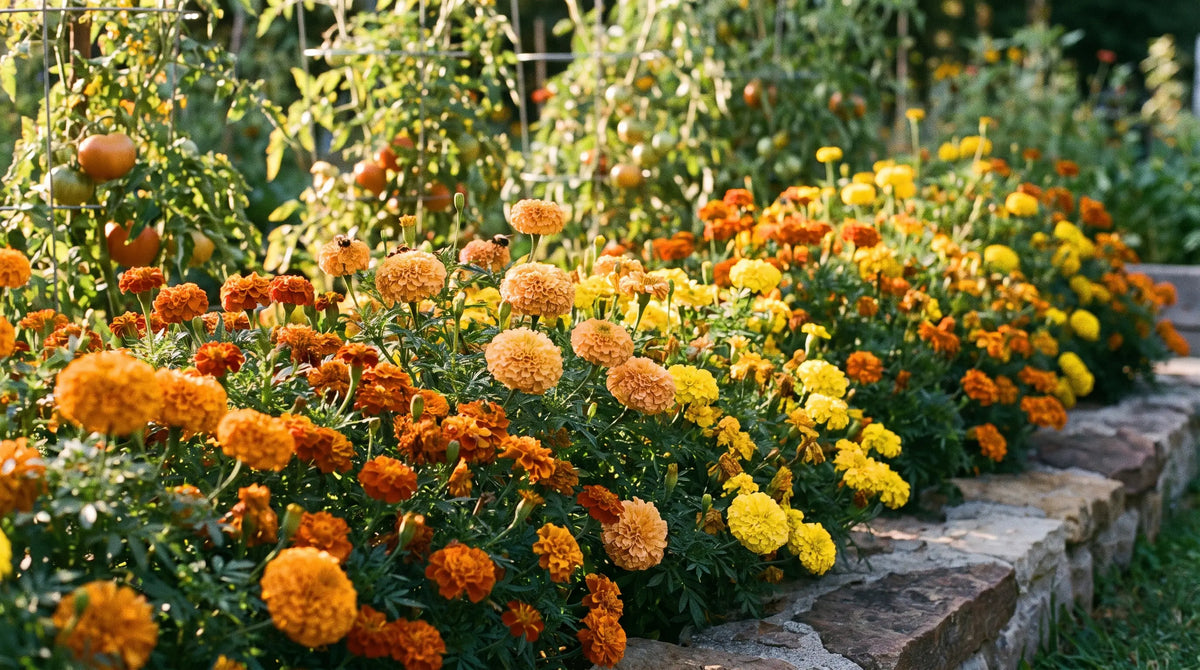
Marigolds (Tagetes) are the friendly workhorse of the summer garden. They sprout in days, bloom in a matter of weeks, and ask for almost nothing but sun and lean soil. Gardeners have edged their vegetable beds with them for generations, since the bright flowers feed pollinators and help keep pests guessing. Here is how to grow marigolds from seed, from sowing to a border that blooms until frost.
Ready to plant? Shop our heirloom marigold seeds.
Best tip
At a glance
 Botanical name Botanical name | Tagetes patula and Tagetes erecta |
|---|---|
 Plant type Plant type | Annual flower |
 USDA zones USDA zones | 2 to 11 (grown as a summer annual) |
 Sun Sun | Full sun |
 Days to maturity Days to maturity | 45 to 70 days to bloom |
 Height Height | 6 inches to 3 feet, by type |
 Spacing Spacing | 6 to 12 inches, by type |
 Water Water | Moderate; let soil dry between waterings |
When to plant
How to plant
Growing and care
Sale

Mycorrhizal Fungi GranulesFeeds roots naturallyMix a little into the planting hole to boost marigold's roots.
Price$39.99Starting at$29.99
The best companion plants
Sale

Beefsteak Tomato Seeds – Red, Non-GMO HeirloomHeirloom, non-GMOThe classic pairing: marigolds edging tomatoes to keep the bed lively.
Price$4.99Starting at$3.99
Sale

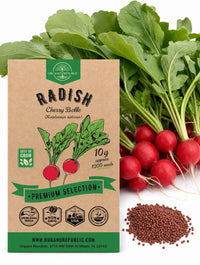
Cherry Belle Radish Seeds – Non-GMO HeirloomHeirloom, non-GMOFast radishes tuck neatly under a marigold border in a spring bed.
Price$4.99Starting at$3.99
Sale

Nasturtium Seeds for Sale – Non-GMO HeirloomHeirloom, non-GMOTwo easy edible-friendly flowers that brighten any vegetable bed.
Price$14.99Starting at$6.99
Sale

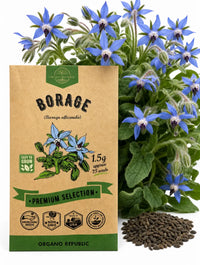
Borage Seeds – Non-GMO HeirloomHeirloom, non-GMOBorage brings the bees while marigolds handle the pests.
Price$5.99Starting at$4.99
Harvest
Uses
Common problems
Frequently asked questions
How deep do you plant marigold seeds?
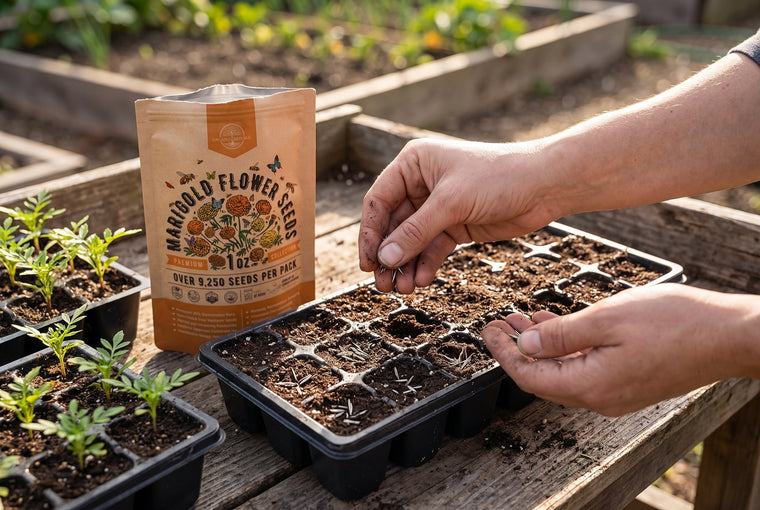
Sow marigold seeds shallowly, about an eighth to a quarter inch deep, in warm, well-drained soil. Keep them evenly moist and they usually sprout in 4 to 7 days when the soil is around 70 to 75F.
How long do marigolds take to bloom from seed?
French marigolds are quick and can flower in about 45 days from sowing, while the taller African types take closer to 8 to 10 weeks. Either way you get color for the rest of the season.
Are marigolds annuals or perennials?
The garden marigolds most people grow, French and African Tagetes, are annuals that last one season. They reseed freely, so you will often find volunteers popping up the next spring.
How do you harvest and save marigold seeds?
Let some flowers fade and dry on the plant until the base of the bloom is brown and papery. Pull off the dried head, and inside you will find a cluster of long black-and-white seeds. Dry them a few more days, then store cool and dry.
Is a marigold the same as calendula?
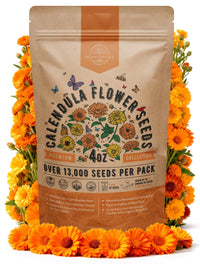
They are often both called marigold but are different plants. Garden marigolds are Tagetes, while pot marigold is Calendula officinalis. They look somewhat alike but come from separate genera and grow a little differently.
Why do gardeners plant marigolds with vegetables?
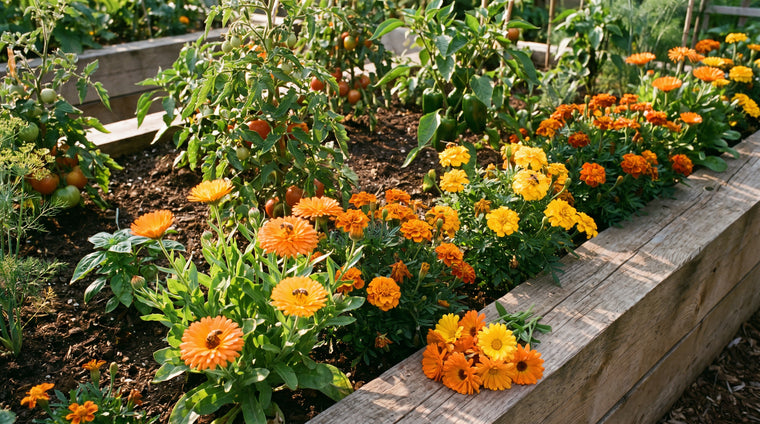
Their strong scent helps mask nearby crops from some pests, and the open flowers feed bees, hoverflies, and other helpful insects. That is why they are a classic edging around tomatoes, peppers, and beans.
Sale

Marigold Seeds PackHeirloom, non-GMOOver 9,250 heirloom marigold seeds for bright, pest-fighting borders.
Price$12.99Starting at$8.99
Want more color for the garden? Pair your marigolds with these value sets:
Sale

Edible Flower Seeds Variety Pack – Non-GMO Heirloom25 edible flowersTwenty-five edible blooms to pair with your marigold border.
Price$20.99Starting at$17.99
Sale

Herb & Vegetable Seeds Variety Pack – Non-GMO Heirloom75 varieties75 varieties in one box with tools, the full companion-garden starter.
Price$63.99
Sale Price$59.99

- Choosing a selection results in a full page refresh.














 Easy Returns 30-day guarantee