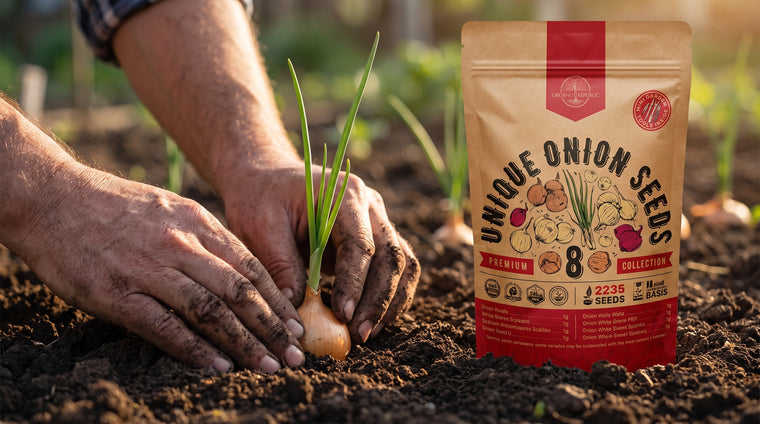
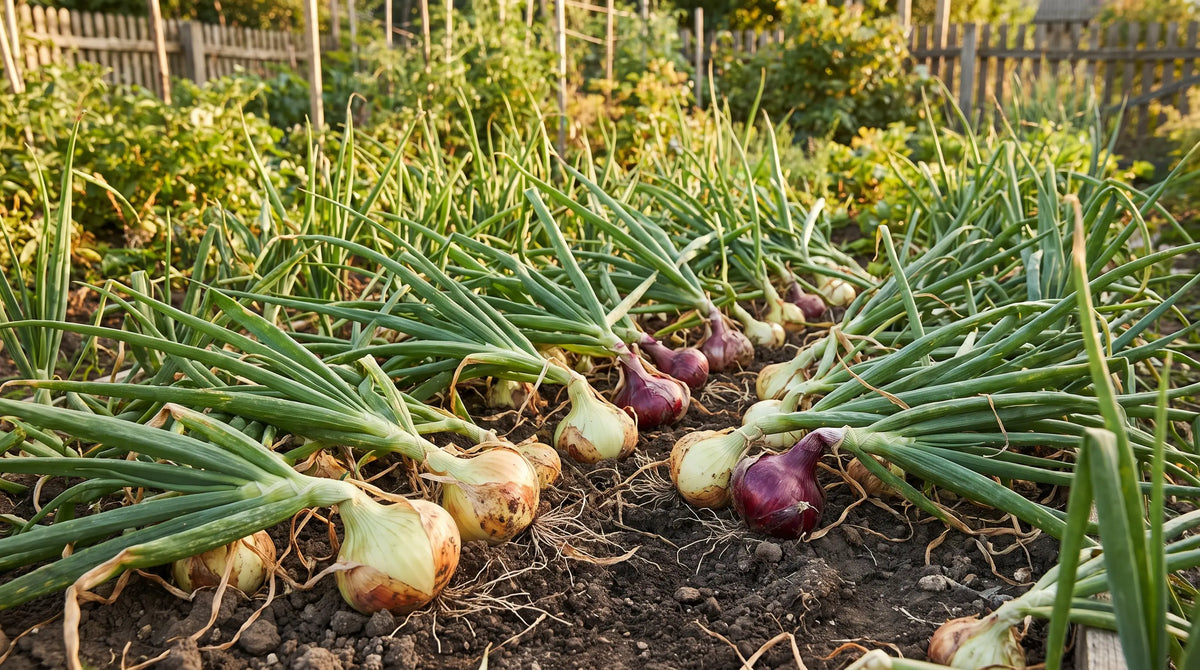
A thriving home garden bed of onions in a range of colors, bulbs lifted from the soil

How to Grow Onions From Seed

Updated July 2026

Onions are a kitchen staple you can grow from seed with a long, steady season and a little patience. Start them early indoors or sow direct, give them full sun and rich soil, and they reward you with a storable harvest of sweet, mild, or pungent bulbs and scallions. This complete guide covers every step from seed to harvest, and it works for every onion, scallion, and leek we grow.

Best tip

The single most important onion decision is day length. Onions bulb in response to hours of daylight, so choose short-day types if you garden in the South, long-day types in the North, and day-neutral types anywhere you are unsure. Start seeds indoors 8 to 10 weeks before your last frost for the biggest bulbs, keep them fed and evenly watered, and never let young plants sit in cold, soggy soil, which triggers bolting.

At a glance

Botanical nameAllium cepa (leek: Allium ampeloprasum)
Plant typeCool-season biennial grown as an annual
USDA zones3 to 9 (grown as an annual)
SunFull sun (6 or more hours)
Days to maturity60 to 125 days depending on type
Height12 to 24 inches
Spacing4 to 6 inches apart
WaterSteady and even; about 1 inch a week

When to plant

Onions need a long, cool start followed by a warm finish. Start seeds indoors 8 to 10 weeks before your average last frost, or direct-sow as soon as the soil can be worked in early spring. Transplant or thin the young plants out into the garden a few weeks before the last frost, since light frost does not harm them. Match the type to your latitude: short-day onions for the South (planted in fall or very early spring), long-day onions for the North (planted in early spring), and day-neutral onions almost anywhere.

How to plant

Sow onion seeds a quarter to a half inch deep in a fine, moist seed-starting mix and keep them around 65 to 75F until they sprout in 7 to 12 days. Give seedlings bright light and trim the tops to about 3 inches to build sturdy roots. Harden the plants off, then transplant them into full sun and rich, well-drained soil about 4 to 6 inches apart in rows, setting them an inch deep. Direct-sown onions and scallions can simply be thinned to their final spacing. Water them in and keep the bed weed-free, since onions compete poorly with weeds.

Start onion seeds indoors early, then transplant the young seedlings out into rich, sunny soil.

Growing and care

Onions are shallow-rooted and need steady moisture and feeding to size up. Water about an inch a week, keeping the soil evenly moist but never waterlogged, and mulch lightly to hold moisture and smother weeds. Feed with a nitrogen-rich fertilizer every few weeks while the tops are growing, then stop once the bulbs begin to swell and push soil away from the shoulders. For leeks, hill soil up around the stems every few weeks to blanch a long, tender white shank. Keep the bed weeded by hand, as hoeing too deep damages the shallow roots.

Mycorrhizal Fungi Granules
Mycorrhizal Fungi GranulesFeeds roots naturallyMix a little into the row at planting to help onion roots take up water and nutrients all season.$39.99$29.99
View product

The best companion plants

Onions are famously good companions: their scent confuses and repels many pests, so they earn a place beside carrots, beets, lettuce, brassicas, and tomatoes. Avoid planting them near beans and peas. These three make especially easy, one-click additions to the onion bed:

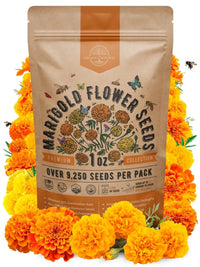
Marigold Seeds Pack
Marigold Seeds PackCompanion plantMarigolds repel onion-loving pests and brighten the bed. Easy to tuck along the row.$12.99$8.99
View product
Nasturtium Seeds
Nasturtium SeedsCompanion plantNasturtiums lure aphids and thrips away from your onions and feed pollinators nearby.$14.99$6.99
View product
Holy Basil Seeds
Holy Basil SeedsCompanion plantBasil grows happily near onions and helps mask their scent from pests while you harvest both for the kitchen.$4.99$3.99
View product

Onions are day-length sensitive. Plant the wrong type for your latitude and the plants will grow leaves but never form a proper bulb, so pick short-day onions for the South, long-day for the North, and day-neutral if you are unsure. Onions also bolt to seed if young plants hit a hard cold spell, so avoid transplanting oversized seedlings too early. Keep growth steady and weed-free, since these shallow-rooted plants suffer quickly from drought and competition.

Harvest

Bulbing onions are ready when most of the tops flop over and begin to yellow, usually in mid to late summer. Stop watering, wait a few days, then lift the bulbs on a dry day and cure them in a warm, airy, shaded spot for two to three weeks until the necks are papery and dry. Well-cured storage onions keep for months. Harvest scallions any time once they reach pencil thickness, and lift leeks as needed once the white shanks are thick and tender.

Uses

Few crops earn their space like onions. Sweet types shine raw in salads, salsas, and burgers, while storage onions are the backbone of soups, stews, sauces, and roasts all winter. Scallions add a fresh, mild bite to stir-fries and garnishes, pearl onions are perfect for pickling and roasting whole, and leeks bring a gentle, silky sweetness to soups and braises. Home-grown onions reward you with far more flavor and variety than any grocery bag.

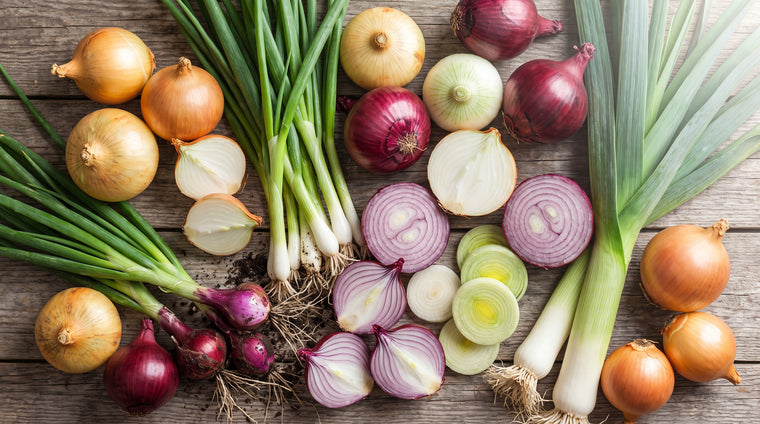
Sweet, storage, and specialty onions, scallions, and a leek fresh from the garden.

Common problems

  • No bulbs, all tops: almost always the wrong day-length type for your latitude. Choose short-day onions in the South, long-day in the North, or day-neutral anywhere.
  • Bolting (flower stalks): caused by a cold snap on young plants or oversized transplants. Plant sturdy but not overgrown seedlings and keep growth steady; use bolted onions fresh, as they will not store.
  • Small bulbs: usually crowding, weeds, or too little water and feed. Give 4 to 6 inches of space, keep the bed weed-free, and feed nitrogen until bulbing starts.
  • Thick necks that will not cure: too much nitrogen late in the season. Stop feeding once bulbs swell, and let the tops fall naturally before harvest.
  • Onion maggots or thrips: rotate crops, keep the bed tidy, and plant repellent companions like marigolds and nasturtiums nearby.

Frequently asked questions

How long do onions take to grow from seed?

Most bulbing onions need about 100 to 125 days from transplant, plus 8 to 10 weeks of indoor growing before that, so from seed you are looking at roughly four to five months. Scallions are much faster at 60 to 70 days, and leeks take the longest at around 120 days in the ground.

What is the difference between short-day, long-day, and day-neutral onions?

Onions bulb in response to day length, so this choice matters more than any other. Short-day types bulb with about 10 to 12 hours of daylight and suit the South; long-day types need 14 to 16 hours and suit the North; day-neutral onions bulb almost anywhere and are the safe choice if you are unsure.

Should I start onions indoors or sow them directly?

For full-size bulbs, start seeds indoors 8 to 10 weeks before your last frost and transplant the seedlings out, which gives them the long head start they need. You can also direct-sow onions and scallions once the soil can be worked, though direct-sown bulbing onions usually finish a bit smaller.

How do I know when onions are ready to harvest?

When most of the tops flop over and start to yellow and dry, the bulbs have finished growing. Stop watering, let them sit a few more days, then lift on a dry day and cure them in a warm, airy spot for two to three weeks before storing.

How is growing a leek different from growing an onion?

Leeks are grown much like onions from seed, but instead of forming a bulb they build a long white stem. To get that tender white shank, you blanch the plant by hilling soil up around the stem as it grows, which keeps the base pale and mild.

Why did my onions bolt and go to flower?

Bolting usually happens when young plants hit a cold spell, or when you plant a type that is wrong for your latitude. Choose the right day-length onion for your region, transplant sturdy but not oversized seedlings, and keep growth steady with even water and feeding to avoid the stress that triggers flowering.

Ready to grow your own? Start with our 8 Onion Variety Pack and grow sweet, storage, and specialty onions all from a single order.

8 Onion Seeds Variety Pack
8 Onion Seeds Variety Pack8 onion varietiesEight sweet, storage, and specialty onions in one pack — the easiest way to grow a whole spread of varieties from a single order.$12.99$9.99
View product

Want a whole onion patch? These value packs bundle onions with other varieties in one order:

Maxim Kaufman, Founder and CEO of Organo Republic

By Maxim Kaufman — Founder & CEO, Organo Republic

Maxim founded Organo Republic in 2017 and personally selects, tests, and grows the heirloom, non-GMO varieties the company offers. Under his leadership, Organo Republic was named Agri Business Review’s Top Non-GMO Seed Variety Solution 2026.