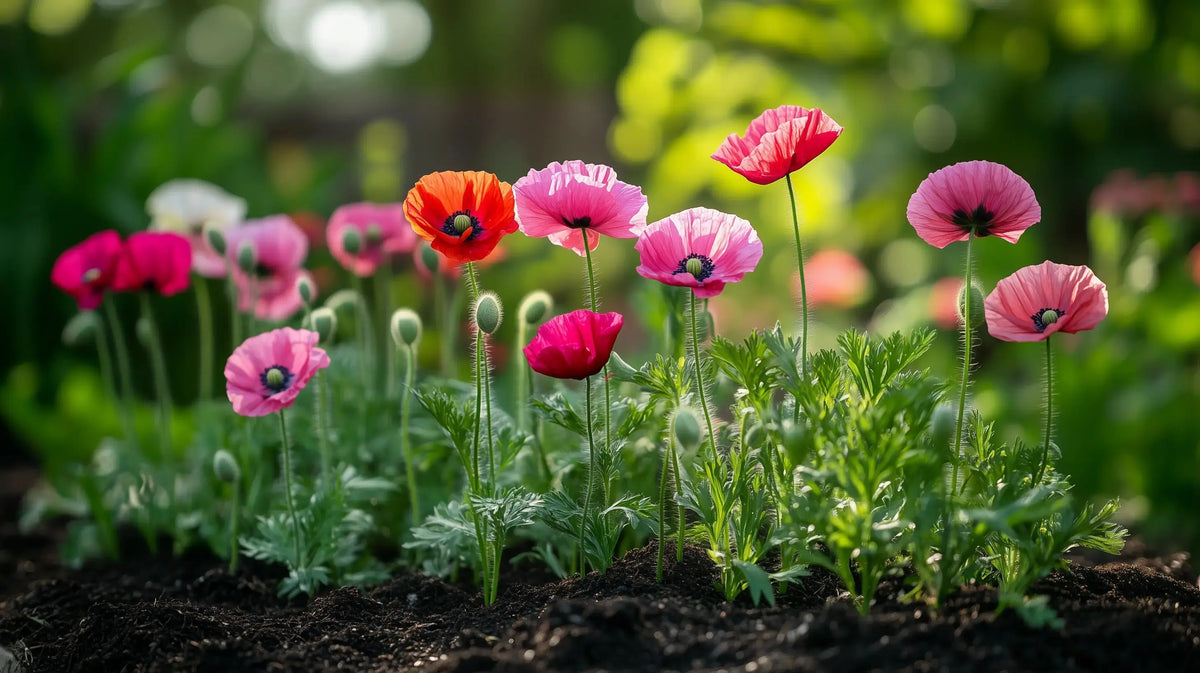
Shirley poppies with delicate single blooms in soft pastels and red in a cottage garden

How to Grow Shirley Poppies From Seed

Updated July 2026

Few flowers capture the romance of a cottage garden like Shirley poppies. A refined selection of the wild corn poppy, they open delicate, papery blooms in soft pastels of pink, white, salmon, and blush alongside the classic scarlet, each with a silky sheen that seems to glow in the light. They are hardy annuals that practically grow themselves from a scatter of tiny seed, and they reseed year after year into drifting, meadow-like patches. This is an ornamental flower grown for pure beauty, and this guide walks you through sowing it from seed and keeping it happy.

Best tip

Scatter-sow on the surface in early spring and let them reseed. The single biggest key to success with Shirley poppies is sowing the tiny seed on top of the soil in cool weather and never burying it, since it needs light to sprout. Mix it with sand for even coverage, keep it moist, and let a few plants set seed each year. In mild-winter areas a fall sowing gives you the earliest, strongest spring bloom.

At a glance

Botanical namePapaver rhoeas 'Shirley'
Plant typeHardy annual flower
USDA zones3 to 9 (grown as an annual)
SunFull sun
Days to maturityAbout 60 to 90 days to bloom
Height2 to 3 ft
Spacing6 to 9 in apart
WaterLow to moderate; well-drained soil

When to plant

Shirley poppies are hardy annuals that do best sown directly in the garden in cool weather. In most regions, sow in early spring as soon as the soil can be worked, several weeks before your last frost, since a little cold actually helps germination. In areas with mild winters (roughly zones 7 and warmer) you can also sow in fall for stronger plants and earlier spring bloom. They dislike being moved, so plan to sow them right where they will flower rather than starting them indoors.

How to plant

The seed is dust-fine and needs light to germinate, so surface sow and do not bury it. Prepare a weed-free patch in full sun with light, well-drained soil, then scatter the tiny seed thinly over the surface and press it gently for good contact. To spread it evenly, mix the seed with a pinch of dry sand before sowing. Keep the surface lightly moist until seedlings appear in 1 to 3 weeks, then thin the young plants to about 6 to 9 inches apart so each has room to branch and bloom.

Growing and care

Shirley poppies are refreshingly low-maintenance once established. Give them full sun and average, well-drained soil, and avoid rich feeding, which produces floppy, leafy plants with fewer flowers. Water during dry spells while they are getting started, then ease off, since they tolerate lean, dry conditions well. They rarely need staking, but a light twiggy support can help in windy spots. Deadheading spent blooms keeps the show going longer, though you will want to leave some pods late in the season if you want them to reseed.

The best companion plants

Shirley poppies mingle beautifully with other easy, sun-loving cottage and meadow flowers. Try planting them alongside these non-GMO favorites for a long season of color:

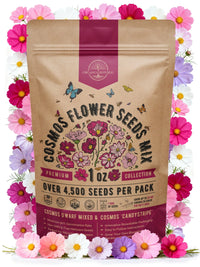
Cosmos Seeds
Cosmos SeedsCottage companionAiry cosmos drifts beautifully among poppies in a meadow planting.$14.99$12.99
View product
Marigold Seeds Pack
Marigold Seeds PackPollinator pairingBright marigolds carry color into summer as poppies fade in the heat.$12.99$8.99
View product

This is the ornamental corn poppy, not the opium poppy. Shirley poppies are a selection of Papaver rhoeas, the common corn or field poppy, grown purely for their ornamental blooms. This is a different plant from the opium poppy (Papaver somniferum) and is a widely grown garden and wildflower species. Grow it for its beauty in the border and meadow. It is not cultivated or used for eating, and like most ornamental poppies the plant is not intended for consumption.

Harvest

For cut flowers, pick Shirley poppies in the cool of the morning just as the buds are cracking open and showing color, before they fully unfurl. To help the delicate blooms last, sear the cut stem ends in boiling water for a few seconds or over a flame right after cutting, then place them in cool water. To save seed, let some flowers fade and form their characteristic pepper-shaker pods, allow the pods to dry and turn brown on the plant, then shake out the fine seed to sow again or scatter where you want more.

Uses

Shirley poppies are grown for their delicate, papery blooms in soft pastels of pink, white, salmon, and blush along with the classic scarlet, many with a silky sheen. They are a cottage-garden and meadow classic, beautiful drifted through borders, wildflower plantings, and naturalized areas where they can reseed. The open flowers are loved by bees, and though the blooms are short-lived as cut flowers they are exquisite in the vase for a day when the stems are seared. This is an ornamental flower grown for beauty, not for eating.

Common problems

  • Poor or patchy germination: usually from burying the light-dependent seed or letting the surface dry out. Surface sow, keep it consistently moist, and do not cover.
  • Leggy, floppy plants with few flowers: often too much nitrogen or too little sun. Grow in full sun and avoid rich fertilizer or heavy compost.
  • Sudden collapse after transplanting: poppies resent root disturbance. Direct sow and thin rather than moving seedlings.
  • Aphids on stems and buds: rinse them off with a strong spray of water or encourage ladybugs and other beneficial insects.
  • Short bloom season in heat: Shirley poppies are cool-season bloomers. Sow early, and in hot climates enjoy them as a spring flower and let them reseed for next year.

Frequently asked questions

Is the Shirley poppy the same as the opium poppy?

No. The Shirley poppy is a selection of Papaver rhoeas, the common corn or field poppy, grown purely for its ornamental blooms. It is a different species from the opium poppy (Papaver somniferum). Shirley poppies are a classic, widely grown garden and wildflower plant valued for beauty, not for eating.

How do you sow Shirley poppy seeds?

Surface sow them, since the tiny seed needs light to germinate. Scatter it thinly over prepared, weed-free soil in full sun and press it in gently, but do not bury it. Mixing the seed with a little dry sand helps you spread it evenly. Keep the surface lightly moist and seedlings appear in about 1 to 3 weeks.

Do Shirley poppies come back every year?

They are hardy annuals, but they self-seed readily. If you let some flowers form their pepper-shaker pods and drop seed, they will often return and naturalize into a drifting cottage-garden patch year after year.

Can I grow Shirley poppies in pots or transplant them?

It is best to direct sow them, since poppies have a taproot and resent root disturbance, so they often fail after transplanting. If you must use containers, sow the seed directly into a deep pot and thin rather than moving seedlings around.

What colors do Shirley poppies come in?

This single-flowered mix blooms in soft pastels of pink, white, salmon, and blush along with the classic scarlet, many petals with a delicate silky sheen and often a paler edge. The papery, single to semi-double flowers give a light, airy, cottage-meadow feel.

Ready to grow your own Shirley poppies? Start with our non-GMO, heirloom wildflower seeds for a drift of soft, papery cottage-garden blooms, and explore more easy flowers in our wildflower seed collection.

21 Annual Wildflower Seeds Mix
21 Annual Wildflower Seeds Mix21 annual varietiesAn easy annual wildflower mix with poppies and other cottage favorites.$24.99$22.99
View product

Want a whole cottage meadow? Pair Shirley poppies with these non-GMO wildflower mixes:

16 Perennial Wildflower Seeds Mix
16 Perennial Wildflower Seeds Mix16 perennial varietiesA perennial mix that returns year after year alongside self-sown poppies.$14.99$12.99
View product
23 Birds & Butterflies Wildflower Seeds Mix
23 Birds & Butterflies Wildflower Seeds Mix23 varietiesA birds and butterflies blend for a lively cottage meadow.$14.99$12.99
View product
19 Bees & Pollinators Wildflower Seeds Mix
19 Bees & Pollinators Wildflower Seeds Mix19 varietiesA bees and pollinators mix to keep the garden buzzing all season.$24.99$22.99
View product
Maxim Kaufman, Founder and CEO of Organo Republic

By Maxim Kaufman — Founder & CEO, Organo Republic

Maxim founded Organo Republic in 2017 and personally selects, tests, and grows the heirloom, non-GMO varieties the company offers. Under his leadership, Organo Republic was named Agri Business Review’s Top Non-GMO Seed Variety Solution 2026.