Home / Growing Guides / How to Grow Strawflower From Seed
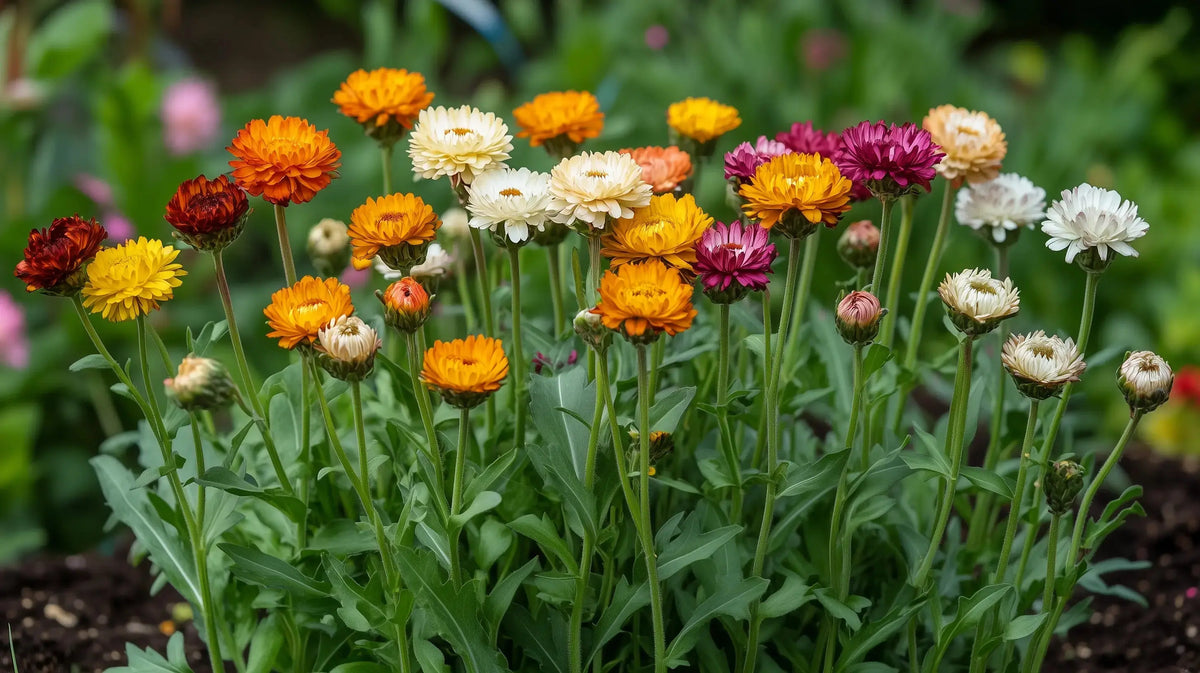
Colorful papery strawflower blooms growing in a sunny garden bed

How to Grow Strawflower From Seed

Updated July 2026

Strawflower is the flower that never fades, prized for centuries as the classic everlasting bloom. Its petals are not soft like most flowers but crisp and papery, feeling almost like straw to the touch, and they hold their brilliant colors of gold, orange, rose, and crimson long after cutting and drying. In the garden, strawflower is a tough, sun-loving annual that blooms for months and shrugs off heat and dry spells. Grow it for the cutting garden, for pollinators, or simply for armfuls of dried flowers that last through winter.

Best tip

Cut for drying before the flowers fully open. The papery bracts of strawflower keep opening as they dry, so blooms picked wide open will overblow and lose their shape. Harvest when just two or three rows of petals have unfurled and the center is still tight, then hang them upside down in a warm, dark, airy spot. You will be rewarded with perfect everlasting flowers that hold their color for months.

At a glance

How to Grow Strawflower From Seed — growing specifications at a glance
Botanical nameXerochrysum bracteatum (formerly Helichrysum bracteatum)
Plant typeAnnual flower (tender perennial in frost-free zones)
USDA zonesGrown as an annual in zones 2 to 8; perennial in 9 to 11
SunFull sun (6+ hours)
Days to maturityAbout 70 to 90 days from seed to first bloom
Height2 to 4 ft
Spacing9 to 12 in apart
WaterLow to moderate; well-drained soil, avoid soggy feet

When to plant

Strawflower is a warm-season annual that needs settled, frost-free weather to thrive. In most gardens, start seeds indoors 6 to 8 weeks before your last spring frost to get a jump on the long bloom season, then transplant out once the danger of frost has passed. In warmer regions you can also direct sow once the soil has warmed. Because strawflower blooms best in the heat of summer, an early indoor start gives you the fullest, longest display of papery flowers.

How to plant

Give strawflower a spot in full sun with light, well-drained soil; it dislikes heavy, wet ground more than almost anything. Like many everlasting flowers, strawflower seed needs light to germinate, so surface sow it and press it gently into the soil without covering it, or barely dust it over. Keep the surface lightly moist and warm, and expect seedlings in 7 to 14 days. Thin or transplant to stand 9 to 12 inches apart. Pinching out the growing tip when plants are young encourages branching and many more flowering stems.

Growing and care

Strawflower is a tough, low-fuss plant once it is up and growing. Water moderately and let the soil dry between waterings, since these plants prefer things on the drier side and rot in soggy ground. Feed lightly if at all; lean conditions produce sturdy stems and plentiful blooms. Taller varieties benefit from a little support or close spacing to keep them upright. Deadheading spent flowers keeps new buds coming, though you will want to leave plenty of blooms to cut and dry at their peak.

The best companion plants

Strawflower loves the company of other sun-loving, heat-tough annuals that make great cut and dried flowers. Pair it with these non-GMO favorites:

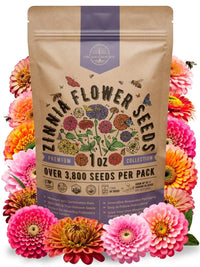
Zinnia Flower Seeds – Non-GMO Heirloom
Zinnia Flower Seeds – Non-GMO HeirloomHeirloom, non-GMOBold, long-lasting cut flowers that thrive in the same summer heat.
Starting at$4.99
View product
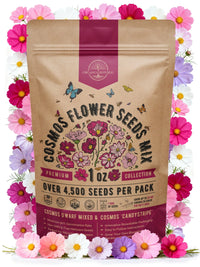
SaleCosmos Flower Seeds – Non-GMO Heirloom
Cosmos Flower Seeds – Non-GMO HeirloomHeirloom, non-GMOAiry blooms with long stems for a mixed cutting garden.
Price$14.99Starting at$12.99
View product
SaleMarigold Seeds Pack
Marigold Seeds PackHeirloom, non-GMOTough, cheerful blooms that hold up beautifully in bouquets.
Price$12.99Starting at$8.99
View product

Strawflower demands well-drained soil and hates wet feet. The fastest way to lose strawflower is to plant it in heavy, poorly drained ground or to overwater it. In soggy conditions the roots rot and plants collapse. Give it a sunny, well-drained spot, water moderately, and let the soil dry between drinks. Get the drainage right and strawflower is one of the toughest, most rewarding annuals you can grow.

Harvest

Strawflower is the everlasting flower, grown above all for drying. For the best dried blooms, cut the stems when the flowers are only just beginning to open, showing two or three rows of petals, because the papery bracts continue to open as they dry. Cut long stems in the morning, strip the leaves, and hang small bundles upside down in a warm, dark, airy spot for a week or two. The dried flowers hold their brilliant color for months, making everlasting bouquets, wreaths, and arrangements that last through winter.

Uses

Strawflower earns its keep as the premier everlasting flower, its crisp, papery blooms holding vivid color long after cutting and drying for wreaths, bouquets, and crafts. In the living garden the flowers are also a welcome nectar source for bees and butterflies, and the plants bloom tirelessly through the summer heat. Grow strawflower in the cutting garden, in sunny borders, or in containers, and enjoy it twice: once fresh in the bed and again as a dried bouquet indoors.

Common problems

  • Seeds not sprouting: strawflower needs light to germinate. Surface sow and press the seed in rather than burying it, and keep the surface consistently warm and moist.
  • Root rot or wilting in wet soil: strawflower hates soggy ground. Plant in well-drained soil, water moderately, and let the soil dry between waterings.
  • Powdery mildew on leaves: a white film in humid, crowded conditions. Improve spacing and airflow and water at the base rather than overhead.
  • Leggy, floppy plants: too little sun or no pinching. Grow in full sun and pinch young plants to encourage bushy, well-branched, self-supporting growth.
  • Dried flowers wilting or drooping: usually harvested too late or dried too slowly. Cut before blooms fully open and hang them in a warm, dark, airy place to dry quickly.

Frequently asked questions

Is strawflower an annual or a perennial?

Strawflower (Xerochrysum bracteatum) is grown as an annual in most climates, completing its cycle in one season. In frost-free zones 9 to 11 it can behave as a short-lived tender perennial, but almost everyone grows it fresh from seed each year.

Why are they called everlasting flowers?

Strawflower petals are actually stiff, papery bracts rather than soft petals, so they keep their shape and vivid color long after cutting and drying. This is why strawflower is the classic everlasting flower for dried arrangements and wreaths.

When should I cut strawflowers for drying?

Cut strawflowers when the blooms are just beginning to open, with only two or three rows of petals showing and the center still tight. The papery bracts keep opening as they dry, so early-cut flowers finish with the best form.

Do strawflower seeds need light to germinate?

Yes. Surface sow strawflower seed and press it into the soil rather than burying it, since it needs light to sprout. Keep the surface warm and lightly moist, and seedlings usually appear in 7 to 14 days.

How tall does strawflower grow?

Standard strawflowers grow about 2 to 4 feet tall, with dwarf types staying shorter. Pinch young plants and space them 9 to 12 inches apart for bushy, well-branched plants loaded with flowering stems.

Ready to grow your own strawflower? Our 21 Annual Wildflower Seeds Mix pairs this everlasting favorite with a rainbow of easy, fast-blooming annuals for a cutting garden that keeps giving. Browse the full selection at /collections/wildflower-seeds.

SaleWildflower Seed Mix – Non-GMO Heirloom
Wildflower Seed Mix – Non-GMO HeirloomBest for strawflowerA rainbow of fast annuals that pair perfectly with everlasting strawflower.
Price$24.99 Sale Price$22.99
View product

Want a full cutting-and-drying garden? Pair strawflower with these non-GMO wildflower mixes:

SalePerennial Wildflower Seeds Mix – Non-GMO Heirloom
Perennial Wildflower Seeds Mix – Non-GMO Heirloom16 long-lived perennials to anchor the garden year after year.
Price$14.99Starting at$12.99
View product
SaleButterfly Garden Wildflower Seeds Mix – Non-GMO Heirloom
Butterfly Garden Wildflower Seeds Mix – Non-GMO HeirloomA pollinator blend that brings in birds and butterflies.
Price$14.99Starting at$12.99
View product
SalePollinator Garden Wildflower Seeds Mix – Non-GMO Heirloom
Pollinator Garden Wildflower Seeds Mix – Non-GMO Heirloom19 varieties chosen to feed bees and pollinators.
Price$24.99 Sale Price$22.99
View product
Maxim Kaufman, Founder and CEO of Organo Republic

By Maxim Kaufman — Founder & CEO, Organo Republic

Maxim founded Organo Republic in 2017 and personally selects, tests, and grows the heirloom, non-GMO varieties the company offers. Under his leadership, Organo Republic was named Agri Business Review’s Top Non-GMO Seed Variety Solution 2026.

Stay Connected

Join Our Garden Community

Daily garden inspiration, how-to videos & behind-the-seeds stories.