



How to Grow Sweet Alyssum From Seed
Updated July 2026
Sweet alyssum (Lobularia maritima) is a fast, fuss-free annual that forms a low, honey-scented carpet of tiny flowers, perfect for edging beds, spilling from pots, and feeding pollinators. This dwarf purple variety knits together into a soft violet ribbon in just weeks from seed. This guide covers surface-sowing the fine seeds, shearing for wave after wave of bloom, and using alyssum as one of the best companion plants in a kitchen garden.
Best tip
At a glance
 Botanical name Botanical name | Lobularia maritima |
|---|---|
 Plant type Plant type | Annual (tender perennial in mild zones) |
 USDA zones USDA zones | 9 to 11 perennial; annual elsewhere |
 Sun Sun | Full sun to part shade |
 Days to maturity Days to maturity | 6 to 8 weeks to first bloom |
 Height Height | 3 to 9 inches (spreads 10 to 12 inches) |
 Spacing Spacing | 6 to 8 inches apart |
 Water Water | Regular; keep evenly moist |
When to plant
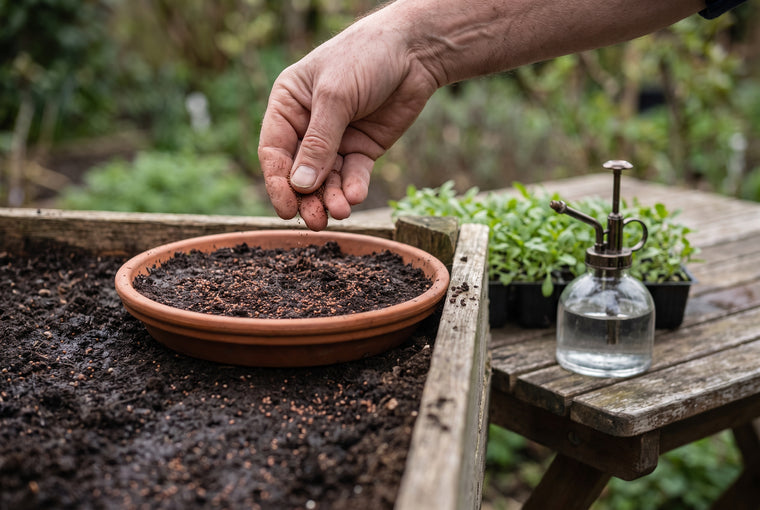
How to plant
Growing and care
Sale

Mycorrhizal Fungi GranulesFeeds roots naturallyMix a little into the planting hole to boost sweet alyssum's roots.
Price$39.99Starting at$29.99
The best companion plants
Sale

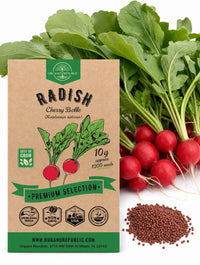
Cherry Belle Radish Seeds – Non-GMO HeirloomFast and easyRadishes and alyssum make a fast, easy pair, with the flowers drawing in aphid-eating hoverflies.
Price$4.99Starting at$3.99
Sale

Beefsteak Tomato Seeds – Red, Non-GMO HeirloomLiving pest controlTuck alyssum around tomatoes: its tiny flowers feed the hoverflies whose larvae eat aphids.
Price$4.99Starting at$3.99
Sale

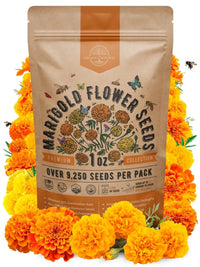
Marigold Seeds PackPollinator favoriteMarigolds and alyssum edge a bed together and both help keep pests down.
Price$12.99Starting at$8.99
Sale

Nasturtium Seeds for Sale – Non-GMO HeirloomEdible flowersNasturtium adds trailing edible color while alyssum carpets the ground below.
Price$14.99Starting at$6.99
Harvest
Uses

Common problems
Frequently asked questions
Is sweet alyssum a perennial or annual?
In most of the country sweet alyssum is grown as an annual, but in frost-free areas (zones 9 to 11) it can behave as a short-lived perennial and bloom nearly year round. Even as an annual it often self-seeds and reappears.
Does sweet alyssum come back every year?
It usually returns not by overwintering but by self-seeding. Left to set seed, alyssum drops volunteers that sprout the following season, so a patch tends to persist on its own in the same area.
How do I get sweet alyssum to keep blooming all summer?
When it gets leggy or stalls in midsummer heat, shear the plants back by about a third. This quick haircut triggers a flush of fresh growth and a whole new wave of flowers, and you can repeat it as needed.
Is sweet alyssum good for pollinators and pest control?
Very. Its tiny flowers are a favorite of hoverflies and other beneficial insects whose larvae eat aphids, so planting alyssum among vegetables is a genuine, chemical-free form of pest control as well as a bee draw.
Do deer or rabbits eat sweet alyssum?
Sweet alyssum is generally considered deer resistant and is not a favorite of rabbits either. No plant is fully animal-proof, but its low, honey-scented mats are usually left alone.
Is sweet alyssum invasive?
In most gardens it is a well-behaved self-seeder rather than invasive, though in a few mild coastal regions it can naturalize. Deadheading or shearing before it sets seed keeps any spread easily in check.
Want a pollinator-friendly garden? These flower and wildflower sets pair beautifully with sweet alyssum's flowering carpet:
Sale

Wildflower Seed Mix – Non-GMO Heirloom21 annual wildflowersA colorful annual wildflower mix for pollinators.
Price$24.99
Sale Price$22.99
Sale

Edible Flower Seeds Variety Pack – Non-GMO Heirloom25 varieties of edible flowersA cottage-flower set to pair with an alyssum edging.
Price$20.99Starting at$17.99

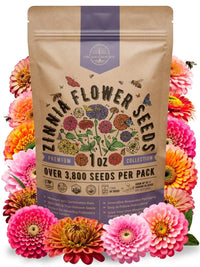
Zinnia Flower Seeds – Non-GMO HeirloomZinnia, a pollinator favoriteBold zinnias above an alyssum carpet feed butterflies.
Starting at$4.99

- Choosing a selection results in a full page refresh.












 Easy Returns 30-day guarantee