

Basil Companion Plants: What to Grow and Avoid
Updated July 2026
The best companion plants for basil are tomatoes, peppers, oregano, chamomile, asparagus, and root crops like beets and carrots. Basil is mostly a giver in the garden: its aromatic oils mask and repel aphids, whiteflies, thrips, and even tomato hornworm, so the plants around it grow with less pest pressure. Many gardeners are convinced basil improves the flavor and vigor of nearby tomatoes, too. The main things to keep basil away from are sage and rue, which want very different conditions, and cucumbers if you are fussy about flavor.
Plant basil with: tomatoes, peppers, oregano, chamomile, asparagus, and root crops like beets and carrots (and let some basil flower for the bees).
Keep basil away from: sage, rue, and cucumbers (a flavor preference more than a growing problem).
The best companion plants for basil
Basil earns its keep through scent. Its aromatic oils mask the smell of the crops around it and drive off many soft-bodied pests, while its flowers, if you let a few open, feed bees and hoverflies. Here are the companion plants for basil that gardeners come back to year after year, and why each pairing works.
Tomatoes
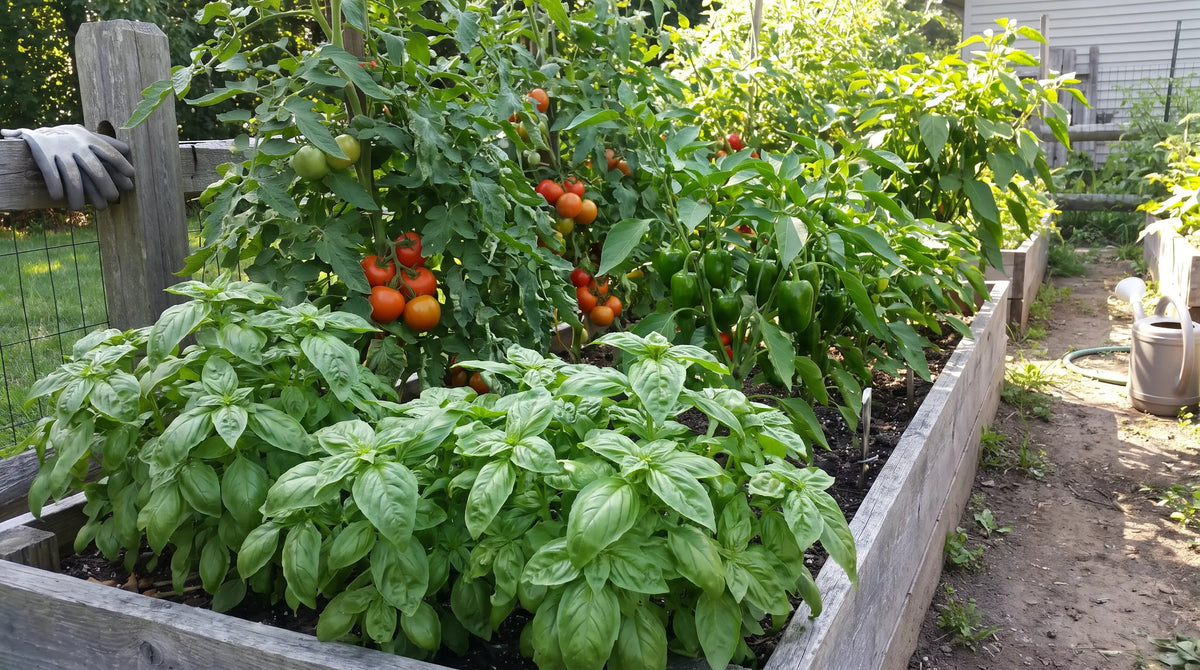
This is the classic pairing, in the garden and on the plate. Basil helps repel aphids, whiteflies, and tomato hornworm, the pests that plague a tomato patch, and generations of gardeners feel their tomatoes taste better and grow stronger with basil at their feet. Tuck a basil plant beside each tomato and let a few flower. If you want the full picture, see our guide to tomato companion plants.
Peppers
Peppers and basil love the exact same warm, sunny, well-watered conditions, which makes them natural bedfellows. Basil helps repel the aphids and thrips that trouble peppers, and its low, leafy growth shades and cools the pepper's roots through the hottest weeks of summer. For more matches, read our guide to pepper companion plants.
Oregano and chamomile
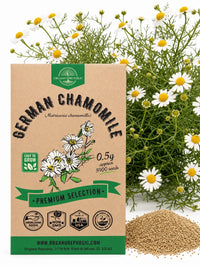
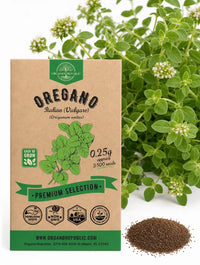
Basil is happy among other aromatic herbs. Oregano shares its love of sun and warmth and adds another layer of pest-confusing scent to the bed. Chamomile is a classic herb-garden companion that is believed to improve the growth and essential-oil content of the herbs around it, and its little daisy flowers bring in beneficial insects.
Asparagus
Basil and asparagus are an old, reliable pairing. Basil is thought to help deter the asparagus beetle, one of the few serious pests of an asparagus bed, while the asparagus ferns give a little light shade. Planting basil along an asparagus row is an easy way to protect a crop that stays in the ground for years.
Root crops (beets and carrots)
Root vegetables like beets and carrots make tidy, low-competition neighbors for basil. They work the soil below while basil fills the space above, so the two rarely fight for light or room. Basil's scent can also help mask the carrots that carrot rust fly hunts by smell, giving the roots a little extra cover.
Let some basil flower
If you can spare a few plants, let part of your basil bolt and bloom. The flower spikes are covered in bees and hoverflies, and drawing those pollinators and predators in benefits every fruiting crop nearby, from tomatoes to peppers to squash. Pinch the rest of your basil to keep the leaves coming for the kitchen.
In every case the mechanism is the same: basil's aromatic oils do the pest work by masking and repelling insects, and the flowers feed the pollinators. That is what makes basil one of the most generous companion plants you can grow.
What not to plant near basil
Basil gets along with most of the garden, but a few neighbors are worth avoiding.
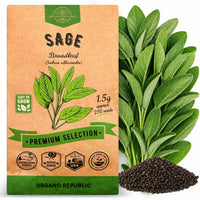
- Sage: Sage wants dry, lean soil and far less water than basil, which likes to stay evenly moist. Their needs pull in opposite directions, and their strong aromatics can clash, so give them separate beds.
- Rue: Rue is a traditional bad companion for basil and is best kept well away from it and from most culinary herbs.
- Cucumbers: This one is about taste, not health. Cucumbers can pick up strong nearby aromas, and some gardeners find basil growing right next to them carries into the cucumber's flavor. If that bothers you, plant them apart. For the cucumber's own best matches, see our cucumber companion plants guide.
The short version: match basil with plants that share its love of warmth, sun, and steady water, and keep it away from the dry-soil, strong-scented outliers like sage and rue.
Why companion planting works for basil
A few things make basil one of the most useful companions you can tuck into a bed.
- It repels pests. Basil's aromatic oils mask and repel aphids, whiteflies, thrips, tomato hornworm, and even some flies and mosquitoes, lowering pest pressure on its neighbors without any spray.
- It may improve flavor and growth. Generations of tomato growers are convinced their fruit tastes better and their plants grow stronger with basil nearby. It is hard to measure, but it is a belief with deep roots.
- It feeds pollinators when it flowers. Let some basil bloom and the flowers pull in bees and hoverflies that boost fruit set and help keep aphids in check across the whole garden.
How to lay out basil with its companions
Basil is easy to place because it asks for so little room. A few simple ways to put it to work:
- Interplant with tomatoes and peppers. Set a basil plant every 10 to 12 inches at the base of your tomatoes and peppers so its scent sits right where the pests gather.
- Edge the bed with basil. A low border of basil around a vegetable bed forms a fragrant, pest-repelling ring and keeps the leaves within easy reach for the kitchen.
- Pair it with other heat-loving herbs. Group basil with oregano and chamomile in a sunny herb bed where they all share the same warmth and watering.
- Let a few plants flower. Allow some basil to bloom for the bees while you keep the rest pinched back for a steady supply of tender leaves.
Give basil full sun, warm soil, and even moisture, and it will look after itself and its neighbors all season. Ready to start? Learn the full method in our basil growing guide, and browse heirloom varieties in the basil seeds collection.
The best companion plants
Sale

Culinary Herb Seeds Variety Pack – Non-GMO HeirloomOregano and basil share the same sun and warmth and make an easy, aromatic pair that helps confuse and deter garden pests.
Price$12.99Starting at$9.99
Sale

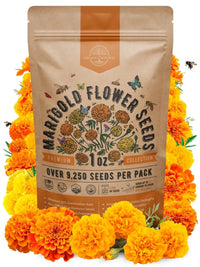
Marigold Seeds PackHeirloom, non-GMOInterplant marigolds with basil and tomatoes for extra pest defense and a haze of cheerful blooms that pull in pollinators.
Price$12.99Starting at$8.99
Sale

Nasturtium Seeds for Sale – Non-GMO HeirloomHeirloom, non-GMONasturtium works as a trap crop for aphids, drawing them away from basil and its neighbors while adding edible, jewel-toned flowers.
Price$14.99Starting at$6.99
Sale

Rare Beet Seeds Variety Pack – Non-GMO HeirloomRoot crops like beets grow happily beneath basil, using the space below its leafy canopy without competing for light.
Price$16.99
Sale Price$14.99
Frequently asked questions
What should you not plant near basil?
Keep basil away from sage, which wants drier soil and less water than basil and can clash with basil's strong aromatics. Rue is another poor match. Some gardeners also keep basil away from cucumbers because the herb's aroma can carry into the cucumber's flavor, though this is a taste preference rather than a real growing problem. Almost everything else in the vegetable garden welcomes basil as a neighbor.
Can I plant basil with tomatoes?
Yes, and it is the most classic companion pairing there is. Basil's aromatic oils help repel aphids, whiteflies, and tomato hornworm, and many gardeners feel that basil growing nearby improves the flavor and vigor of their tomatoes. Tuck a basil plant at the base of each tomato and let a few flower to bring in pollinators.
Does basil keep bugs away?
Basil's strong, aromatic oils mask the scent of nearby crops and repel many soft-bodied pests, including aphids, whiteflies, thrips, and even some flies and mosquitoes. It will not clear a garden of every pest, but planted among tomatoes, peppers, and other vegetables it lowers pest pressure naturally, with no spray needed.
What is the best companion plant for basil?
Tomatoes are the best-known and most rewarding companion for basil: the herb protects the tomato from pests while the two grow beautifully side by side and taste wonderful together on the plate. Peppers are a close second, since basil repels their pests and shades their roots. Both make excellent partners in almost any warm-season bed.
Can basil and peppers grow together?
Yes. Basil and peppers love the same warm, sunny, well-watered conditions, so they make natural bedfellows. Basil helps repel aphids and thrips that trouble pepper plants, and its low, leafy growth shades and cools the pepper's roots through the hottest part of summer. Space them so each still gets good sun and airflow.
Sale
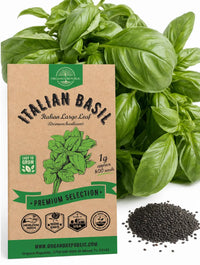
Culinary Herb Seeds Variety Pack – Non-GMO HeirloomGrow your ownClassic Italian Large Leaf basil and more, ready to plant beside your tomatoes and peppers.
Price$12.99Starting at$9.99

- Choosing a selection results in a full page refresh.









 Easy Returns 30-day guarantee