


Tomato Companion Plants: What to Grow and What to Avoid
Updated August 2026
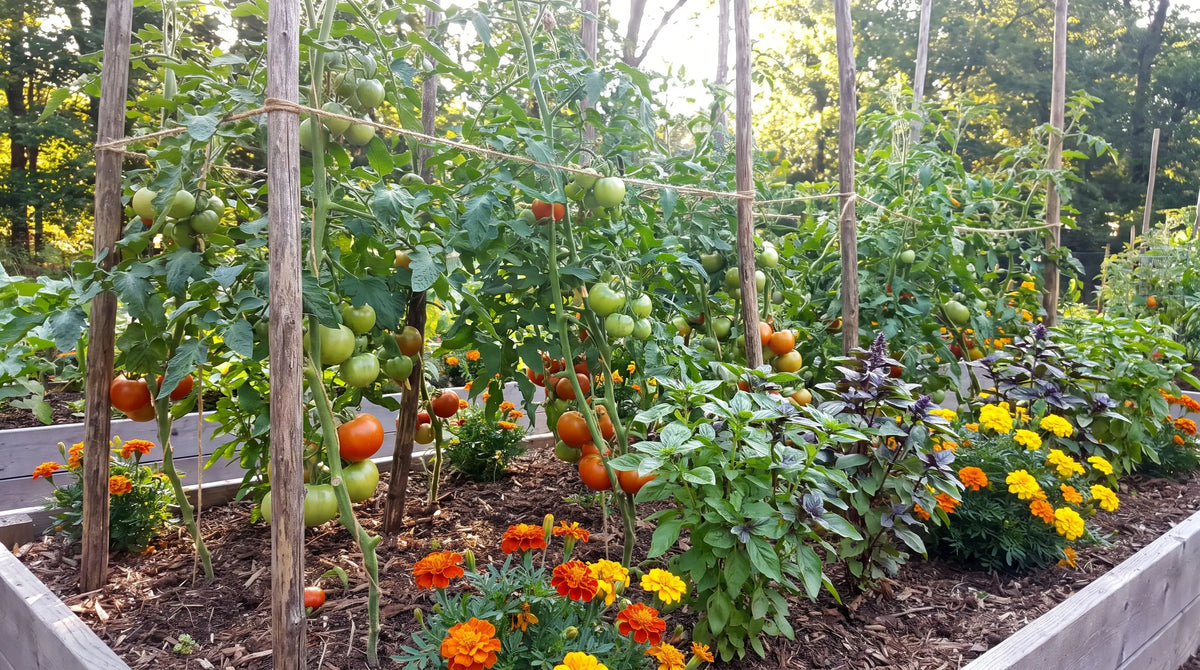
Tomatoes are the heart of the summer garden, and the plants you set beside them can decide how healthy and productive they turn out. The best tomato companion plants repel the pests that love tomato leaves, pull in bees and beneficial insects, make smart use of the soil and space around each plant, and even help the fruit taste better. Here is exactly what to plant with tomatoes, what to keep away from them, and how to lay it all out.
For the bigger picture, see our complete companion planting chart for what to plant together across the whole garden.
Quick answer
Plant tomatoes with: basil, marigolds, nasturtiums, borage, carrots, lettuce, onions or chives, and parsley.
Keep tomatoes away from: brassicas like cabbage and broccoli, fennel, potatoes, corn, and black walnut trees.
The best companion plants for tomatoes
These are the companions that earn their place in a tomato bed. Each one solves a specific problem, whether that is pests, pollination, soil, or space. If you grow other crops too, the same thinking carries over to our pepper companion plants and cucumber companion plants guides.
1. Basil
Basil is the classic partner for tomatoes, and for good reason. Its strong aromatic oils help repel aphids, whiteflies, and tomato hornworms, and many gardeners swear it improves the flavor of the fruit growing beside it. Basil also loves the same warm sun and steady moisture tomatoes crave, so the two thrive under identical care. Tuck a few plants between your tomatoes and let them grow together all season.
2. Marigolds
Marigolds are a garden workhorse for pest control. Their roots release compounds that help deter root-knot nematodes in the soil, a hidden threat that can stunt tomato roots. Above ground, their strong scent confuses many pest insects while the bright blooms attract beneficial ones like ladybugs and hoverflies. Ring the edges of the tomato bed with marigolds for easy, colorful protection.
3. Nasturtiums
Nasturtiums work as a trap crop, drawing aphids to themselves and away from your tomato leaves. Their open flowers also pull in bees and hoverflies, and the trailing leaves shade the soil like a living mulch. As a bonus, the peppery leaves and blooms are edible, so they earn their keep on the plate as well as in the bed.
4. Borage
Borage may be the single best flower to plant near tomatoes. Its true-blue, star-shaped blooms are a magnet for bees and other pollinators, and it is widely credited with deterring the tomato hornworm, one of the most destructive tomato pests. Borage is also thought to improve the vigor and flavor of its neighbors. Plant it at the edge of the patch and let the bees do the rest.
5. Carrots
Carrots are a smart underground partner for tomatoes. Their deep, slender roots break up and loosen the soil, improving drainage and air flow around the tomato roots. Because carrots mature down low and tomatoes grow up high, the two make efficient use of the same square of ground. Sow carrots early, before the tomato canopy fills in and shades the bed.
6. Lettuce and low greens
Lettuce and other low, leafy greens make an excellent living mulch beneath tomato plants. They carpet the soil, hold in moisture, and crowd out weeds, all while enjoying the light shade the taller tomatoes provide during the heat of summer. Because they finish fast, you can harvest a crop of greens before the tomatoes take over the space entirely.
7. Onions, chives, and garlic
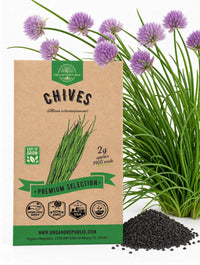
Alliums like onions, chives, and garlic carry a pungent scent that helps mask tomatoes from aphids and other soft-bodied pests hunting by smell. They take up little room, so they slip easily into gaps around the base of the plants. Chives in particular are an easy perennial edge that keeps working year after year. For more on this family, see our onion companion plants guide.
8. Parsley
Parsley is a quiet but valuable companion. When allowed to flower, it draws in beneficial insects like hoverflies and parasitic wasps that prey on aphids and hornworms. It also fills the low space around tomato stems without competing for light. Let a plant or two bolt and bloom near the end of the season to keep those helpers coming.
What not to plant near tomatoes
A few neighbors do more harm than good. These are the ones to keep out of the tomato bed.
Brassicas (cabbage, broccoli, and kin)
Cabbage, broccoli, cauliflower, and other brassicas are heavy feeders that compete hard with tomatoes for the same nutrients and water. Grown side by side, they tend to stunt each other, and neither crop reaches its full potential. Give the cabbage family its own bed well away from the tomatoes.
Fennel
Fennel is famously a poor companion for almost everything. It is allelopathic, releasing compounds that can slow or inhibit the growth of most nearby vegetables, tomatoes included. If you grow fennel, give it its own corner far from the tomato patch.
Potatoes
Potatoes and tomatoes are both members of the nightshade family, which means they share the same serious disease: late blight. Planted close together, a blight outbreak in one can quickly sweep into the other. Keep them well separated in the garden and rotate where you plant each one from year to year.
Corn
Corn attracts the corn earworm, the very same caterpillar that becomes the tomato fruitworm and bores into ripening tomatoes. Growing the two crops near each other simply gives that pest a bigger buffet. Site your corn on the far side of the garden from the tomatoes.
Black walnut
Black walnut trees release a natural compound called juglone from their roots and leaves that is toxic to tomatoes and can cause wilting and death. Never plant tomatoes within the root zone of a black walnut, and keep raised beds well clear of the drip line.
Why companion planting works for tomatoes
Companion planting is not folklore alone. With tomatoes, it lines up with a few very practical needs of the crop.
- Pest control. Aromatic plants like basil, onions, and marigolds mask or repel the aphids, whiteflies, and hornworms that target tomatoes, while trap crops like nasturtiums draw pests away from the fruit.
- Pollination and beneficial insects. Flowers like borage, nasturtiums, and parsley in bloom pull in bees for better fruit set and invite the ladybugs, hoverflies, and wasps that hunt tomato pests.
- Healthier soil and roots. Deep-rooted carrots loosen the soil, and marigolds help suppress root-knot nematodes that damage tomato roots below the surface.
- Living mulch and space. Low greens like lettuce shade the soil, hold moisture, and crowd out weeds, while quick crops fill the gaps before the tomato canopy takes over.
How to lay out a tomato companion garden
A little planning makes companion planting easy. Tomatoes grow tall and need airflow, so build the companions around that.
- Space the tomatoes first. Set plants 18 to 36 inches apart with stakes or cages so air moves freely and disease pressure stays low. Good spacing matters more than any single companion.
- Interplant basil and low greens. Tuck basil and lettuce between the tomato plants, where they enjoy the light shade and help cover the soil.
- Ring the edges with flowers. Plant marigolds, nasturtiums, and borage around the border of the bed to draw pollinators in and steer pests away from the fruit.
- Sow quick crops early. Get carrots and onions in early in the season, before the tomato canopy fills out and shades the ground around the stems.
Get the neighbors right and your tomato patch will be better pollinated, better protected, and more productive, with tastier fruit for your trouble. For the full planting playbook, see our how to grow tomatoes guide, and browse heirloom varieties in the tomato and tomatillo seeds collection. Below you will find the exact non-GMO, heirloom seeds we grow alongside our own tomatoes.
The best companion plants
Sale

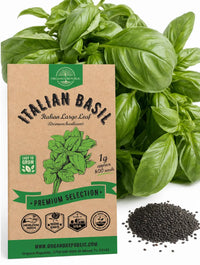
Culinary Herb Seeds Variety Pack – Non-GMO HeirloomPest repellentInterplant basil among tomatoes to repel aphids, whiteflies, and hornworms and keep the patch fragrant.
Price$12.99Starting at$9.99
Sale

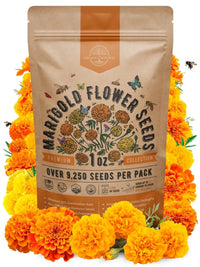
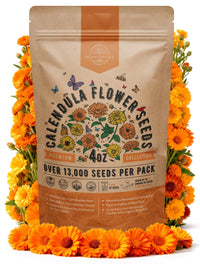
Marigold Seeds PackNematode deterrentRing the bed with marigolds to deter root-knot nematodes and confuse pests hunting your tomatoes.
Price$12.99Starting at$8.99
Sale

Nasturtium Seeds for Sale – Non-GMO HeirloomTrap cropA living trap crop that lures aphids away from tomato leaves while drawing in pollinators.
Price$14.99Starting at$6.99
Sale

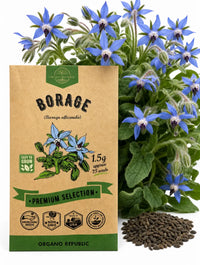
Borage Seeds – Non-GMO HeirloomPollinator magnetStar-shaped blooms bees love, and a classic deterrent for tomato hornworm at the edge of the patch.
Price$5.99Starting at$4.99
Sale

Rainbow Carrot Seeds – Variety Pack, Non-GMO HeirloomSoil looserTuck carrots in early to loosen the soil and make smart use of space before tomato vines fill in.
Price$14.99
Sale Price$13.49
Sale

Onion Seeds Variety Pack – Non-GMO HeirloomAphid guardThe allium scent of onions helps mask tomatoes from aphids and other soft-bodied pests.
Price$12.99
Sale Price$9.99
Frequently asked questions
What should you not plant next to tomatoes?
Keep tomatoes away from brassicas like cabbage, broccoli, kale, and cauliflower, which are heavy feeders that compete for the same nutrients. Avoid fennel, which is allelopathic and releases compounds that slow the growth of most nearby vegetables. Do not plant tomatoes near potatoes, since both are nightshades that share late blight and can spread it to each other. Corn draws the same earworm that becomes the tomato fruitworm, and black walnut trees release juglone from their roots, which is toxic to tomatoes.
Can I plant basil with tomatoes?
Yes, basil is one of the best companions for tomatoes. Its strong scent helps repel aphids, whiteflies, and tomato hornworms, and many gardeners believe basil planted nearby improves the flavor of the fruit. Basil and tomatoes also enjoy the same warm, sunny, well-watered conditions, so they make easy neighbors. Plant a few basil seedlings between your tomato plants and let them grow together all season.
Do tomatoes need companion plants?
Tomatoes do not strictly need companion plants, but the right neighbors make them healthier and more productive. Companions like basil, marigolds, nasturtiums, and borage deter pests, draw in pollinators and beneficial insects, and make better use of the space around the plants. Companion planting also adds diversity that keeps any single pest or disease from taking over. It is one of the simplest, most natural ways to grow a stronger tomato patch.
What is the best companion plant for tomatoes?
Basil is widely considered the best companion plant for tomatoes. It repels several common tomato pests including aphids, whiteflies, and hornworms, thrives in the same conditions, and is thought to improve the taste of the fruit. Marigolds are a close second for their ability to deter root-knot nematodes in the soil. Together, basil and marigolds cover both above-ground pests and below-ground threats.
Can tomatoes and peppers be planted together?
Yes, tomatoes and peppers can be planted together, and many gardeners grow them side by side successfully. Both are nightshades that love the same warm weather, full sun, and steady watering, so their needs line up well. The one caution is that they share some diseases, such as blight and bacterial spot, so give them good spacing and airflow and rotate where you plant them each year. With room to breathe, they make fine companions.
Sale

Tomato & Tomatillo Seeds Variety Pack – Non-GMO HeirloomNon-GMO heirloomFourteen heirloom tomato and tomatillo varieties, from beefsteaks to cherries, in one non-GMO pack.
Price$19.99
Sale Price$16.99

- Choosing a selection results in a full page refresh.












 Easy Returns 30-day guarantee