


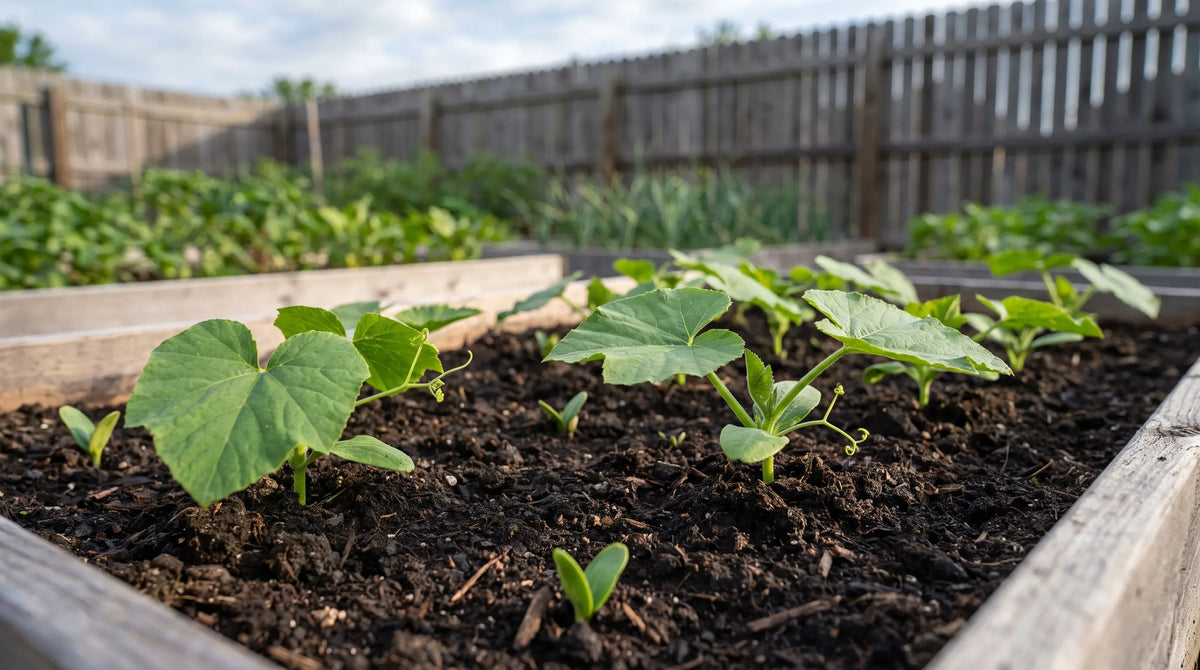
When to Plant Pumpkins for a Ripe Halloween Harvest
Updated August 2026
If you have ever watched your pumpkin vines finally set fruit in mid October, you already know the heartbreak. The whole point is a porch full of orange by the last week of the month, and timing is the one thing that decides whether you get there. The good news is that pumpkins are not fussy about much beyond warm soil and a long enough runway. Once you count backward from Halloween, the plan almost writes itself.
Count backward from Halloween
Most pumpkins need somewhere between 90 and 120 days from sowing to a fully ripe, hard shelled fruit. Carving types tend to run long, while smaller pie pumpkins often finish faster. To hit late October you want your seeds in the ground by late May through early July across much of the country. Warmer southern gardens can push planting into July, and short season northern gardens are better off getting started in late May.

Here is a simple way to think about it. Find your variety's days to maturity, add a two week cushion for cool spells and slow ripening, then subtract that total from October 31. That date is your sow by deadline.
| Region | Best sowing window | Notes |
|---|---|---|
| North (short season) | Late May to mid June | Start indoors if June is cool |
| Middle states | Early to late June | The sweet spot for most gardeners |
| South (long season) | Mid June to mid July | Later sowing dodges peak summer heat |
Wait for warm soil, not just warm air
Pumpkin seeds sulk and rot in cold ground. Wait until soil is at least 65 to 70 degrees and all danger of frost has passed. If you are itching to get going, start seeds indoors about two to three weeks before your outdoor date and transplant carefully, since these roots do not love being disturbed. In most gardens direct sowing is easier and the plants catch up fast anyway.
Pick your pumpkin by the job it needs to do
Carving pumpkins and pie pumpkins are grown a little differently in your mind, even if the seeds go in the same week. For jack-o'-lanterns you want size and a sturdy handle, so give those vines room and time. The classic choice here is a big field type that reliably sizes up for carving.
Sale

Connecticut Field Pumpkin Seeds – Non-GMO HeirloomBest for carvingThe classic big carving pumpkin with a sturdy handle and reliable size for jack-o'-lanterns.
Price$4.99Starting at$3.99
If your goal is the kitchen rather than the porch, a smaller sugar type packs sweeter, less stringy flesh and matures a touch quicker. Plenty of gardeners plant both, a few hills of each, so they get carving fruit and baking fruit off the same patch.
Sale

Sugar Pie Pumpkin Seeds – Non-GMO HeirloomBest for bakingSmall, sweet, and less stringy, this one is built for pies and matures a touch faster.
Price$4.99Starting at$3.99
Sale
Connecticut Field Pumpkin Seeds – Non-GMO HeirloomNon-GMO heirloomPlant a few hills alongside sugar pie for both carving and kitchen fruit off one patch.
Price$4.99Starting at$3.99
Spacing, hills, and giving vines room
Pumpkins sprawl, and cramped plants make small fruit. Plant in hills of three or four seeds spaced about 4 to 6 feet apart, then thin to the two strongest seedlings per hill once they have a couple of true leaves. Rows of vines want 8 to 12 feet between them. It feels like a lot of space in June, but by August those vines will have claimed every inch and then some.
Work a few inches of compost into each hill before sowing. Pumpkins are hungry feeders and reward rich soil with bigger, better colored fruit.
Watering and care through the season
Give pumpkins deep, consistent water, roughly an inch or more a week, and try to keep it off the leaves to slow down mildew. Water in the morning so foliage dries by evening. Once fruit sets and starts to color, ease back on watering to help the shells cure and the flavor concentrate.
Watch for squash bugs and cucumber beetles early, since a young vine can be knocked back hard. A little scouting a few times a week goes a long way, and healthy, well fed plants shrug off pests better than stressed ones.
Knowing when they are ripe
A ready pumpkin has deep, even color and a rind hard enough that your fingernail will not dent it. The stem starts to dry and cork over, and the vine near the fruit begins to fade. Cut, do not pull, leaving a few inches of stem so the pumpkin stores and displays well. Let cut fruit cure in the sun for a week or so and they will hold beautifully right through the season.
What if you are running late
If it is already July and you have not planted, do not give up. Choose a faster maturing pie type, start with the largest healthy transplants you can, and keep them fed and watered hard. You may not grow a giant, but a patch of smaller ripe pumpkins by Halloween beats a pile of green ones every time.
Frequently asked questions
When should I plant pumpkins for Halloween?
For most gardens, sow pumpkin seeds from late May through early July. Count back your variety's days to maturity, add about two weeks of cushion, and subtract from October 31. That gives you a reliable sow by date for ripe fruit in fall.
How long do pumpkins take to grow?
Most pumpkins need 90 to 120 days from sowing to fully ripe fruit. Large carving types run toward the long end, while smaller pie pumpkins often finish sooner, which is why timing your planting to your chosen variety matters so much.
Can I start pumpkin seeds indoors?
Yes. Start seeds indoors two to three weeks before your outdoor planting date, then transplant gently since pumpkin roots dislike disturbance. In warm gardens direct sowing is usually easier, and those plants tend to catch up quickly anyway.
What temperature does soil need to be for pumpkins?
Wait until soil reaches at least 65 to 70 degrees and all frost danger has passed. Cold, wet ground causes seeds to rot instead of sprout, so a little patience early in the season pays off with strong, fast germination later.
How much space do pumpkin plants need?
Plant in hills spaced about 4 to 6 feet apart with 8 to 12 feet between rows, thinning to two strong seedlings per hill. The vines sprawl aggressively by late summer, so give them far more room than seems necessary back in June.

- Choosing a selection results in a full page refresh.









 Easy Returns 30-day guarantee