


How to Grow Artichokes From Seed
Updated July 2026
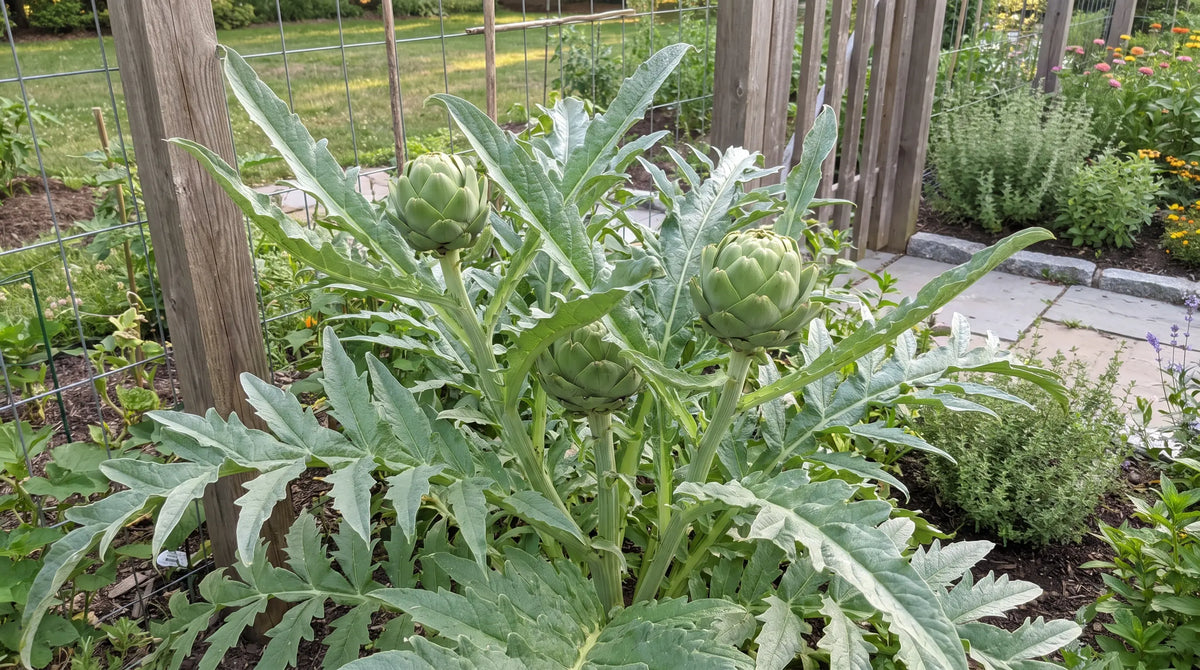
Artichokes are big, tender-bud perennials that you can raise from seed into dramatic, silvery plants topped with edible flower buds. This guide covers how to grow artichokes from seed, from an early indoor start to the one trick that really matters: a short cold spell, called vernalization, that convinces first-year seedlings to form buds. Grow them as a returning perennial in mild-winter regions, or as a vernalized annual where winters are cold. Classic varieties like Green Globe reward a little patience with room, rich soil, and steady water, earning every inch of the garden they take up.
Growing a specific variety?
Artichoke varieties: Green Globe
Best tip
At a glance
 Botanical name Botanical name | Cynara cardunculus var. scolymus |
|---|---|
 Plant type Plant type | Tender perennial grown as an annual in cold zones |
 USDA zones USDA zones | 7 to 11 perennial; grown as an annual elsewhere |
 Sun Sun | Full sun |
 Days to maturity Days to maturity | 85 to 100 days from transplant (first-year, vernalized) |
 Height Height | 3 to 4 feet tall and wide |
 Spacing Spacing | About 4 feet apart |
 Water Water | Water deeply and regularly; do not let it dry out |
When to plant
How to plant
Growing and care
Sale

Mycorrhizal Fungi GranulesFeeds roots naturallyMix into the planting hole to help these big, hungry plants build strong roots.
Price$39.99Starting at$29.99
The best companion plants
Sale

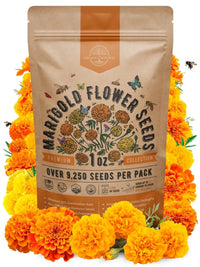
Marigold Seeds PackCompanion plantMarigolds help draw aphids and pests away from tender young artichoke shoots.
Price$12.99Starting at$8.99
Sale

Nasturtium Seeds for Sale – Non-GMO HeirloomCompanion plantNasturtium is a classic aphid trap crop, a big help since aphids love artichokes.
Price$14.99Starting at$6.99
Sale

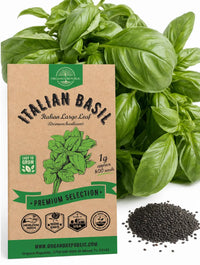
Holy Basil Seeds – Tulsi, Non-GMO HeirloomCompanion plantBasil planted at the base brings in pollinators and helps mask the scent of pests.
Price$4.99Starting at$3.99
Harvest
Uses
Common problems
Frequently asked questions
Can you grow artichokes from seed in one year?
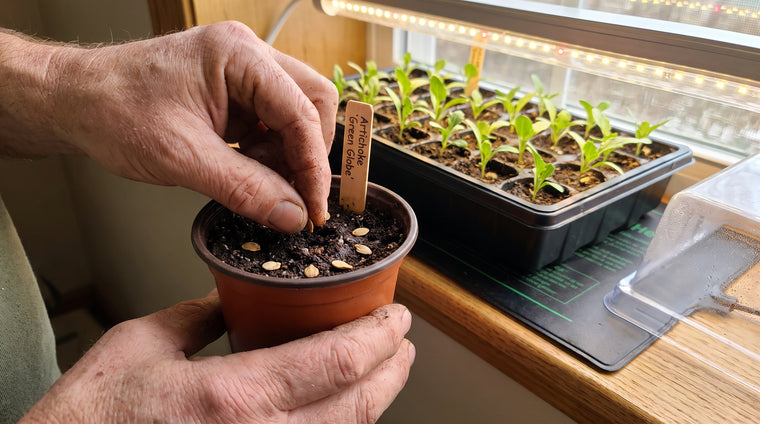
Yes, if you trick the plant into thinking it has been through a winter. Start seeds indoors 8 weeks before your last frost, then give the young plants a vernalization period of about 10 days below 50F outdoors before planting out. That cold spell fools them into budding and flowering in their first year, even where they are grown as annuals.
What is vernalization and why do artichokes need it?
Vernalization is a period of cold that signals a plant to switch from leafy growth to producing buds. Artichokes are naturally biennial, flowering in their second year, so a spell of about 10 days below 50F convinces first-year seedlings that a winter has passed and it is time to form the edible buds.
How big do artichoke plants get?
Green Globe artichokes are large plants, typically 3 to 4 feet tall and just as wide, with big silvery, deeply cut leaves. Give each plant plenty of room, about 4 feet apart, because they need the space to develop and produce well.
Are artichokes perennial or annual?
Artichokes are tender perennials that live for several years in mild-winter regions like zones 7 and up, coming back and producing each spring. In colder zones the winters kill them, so gardeners grow them as annuals from seed each year, using vernalization to get a first-year harvest.
When and how do you harvest artichokes?
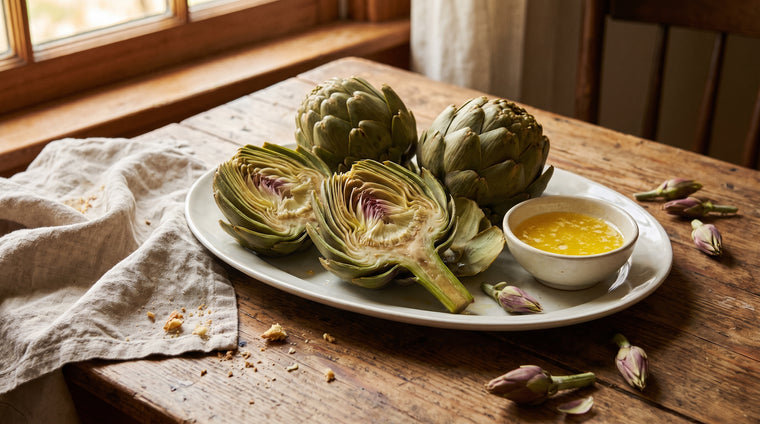
Cut the buds while they are still tight and firm, before the scales start to open, with an inch or two of stem attached. Take the large central bud first, then the smaller side buds as they size up. If you miss one and it opens into a large purple thistle flower, leave it, since pollinators love it.
How long do artichokes take to grow from seed?
Grown as an annual with vernalization, Green Globe artichokes usually produce their first buds about 85 to 100 days after transplanting, or roughly 5 to 6 months from sowing. As perennials in mild climates, established plants crop earlier each following spring.
Want more than artichokes? These value sets fill out the rest of the garden while your artichokes get established:
Sale

Vegetable Seeds Variety Pack55 varieties, best value55 easy vegetables in one box, great value while your artichokes get established.
Price$21.99Starting at$17.99
Sale

Herb & Vegetable Seeds Variety Pack – Non-GMO Heirloom75 varieties, herb & veg75 herbs and vegetables for a full kitchen garden alongside your artichoke bed.
Price$63.99
Sale Price$59.99

- Choosing a selection results in a full page refresh.









 Easy Returns 30-day guarantee