


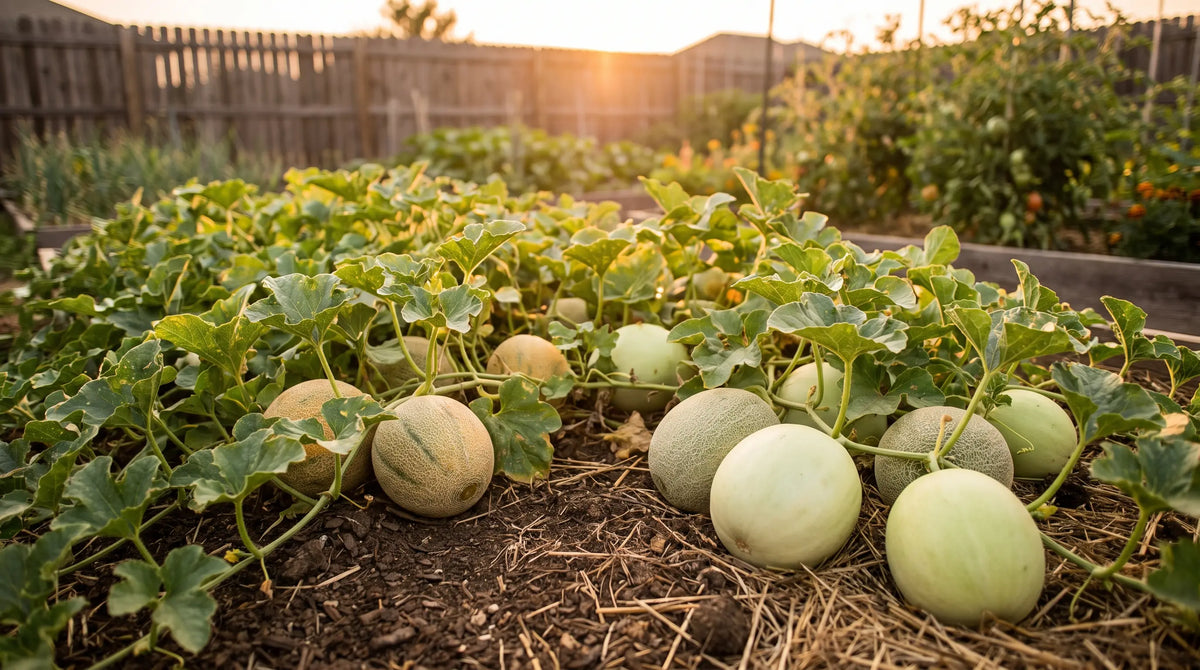
How to Grow Melons From Seed
Updated July 2026
Few garden rewards beat a sun-ripened melon picked at its peak. Melons and cantaloupes are heat-loving vines that need warmth, sun, and room to sprawl, and with rich soil and steady water they deliver sweet, fragrant fruit by late summer. This complete guide covers every step from seed to harvest, and it works for every melon we grow, from netted cantaloupes to honeydew and canary types.
Growing a specific variety?
Best tip
At a glance
 Botanical name Botanical name | Cucumis melo |
|---|---|
 Plant type Plant type | Warm-season annual vine |
 USDA zones USDA zones | 3 to 12 (grown as a summer annual) |
 Sun Sun | Full sun (8+ hours) |
 Days to maturity Days to maturity | 70 to 100 days from transplant |
 Height Height | Vines 6 to 10 ft long (or trellised) |
 Spacing Spacing | 18 to 24 inches apart; hills 4 to 6 ft |
 Water Water | Deep and even; ease off as fruit ripens |
When to plant
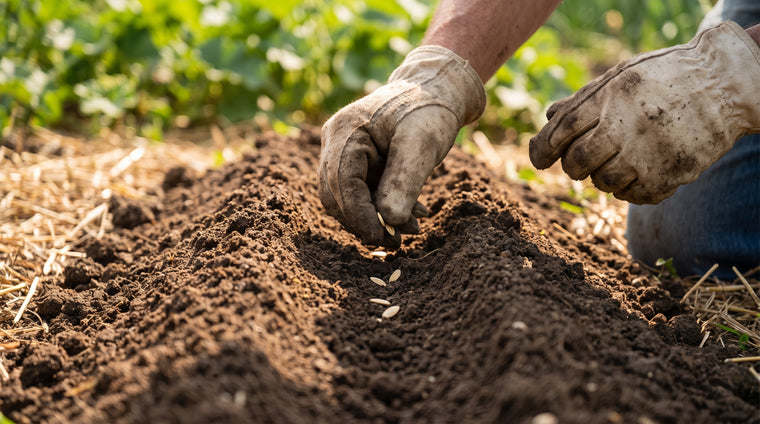
How to plant
Growing and care
Sale

Mycorrhizal Fungi GranulesFeeds roots naturallyMix a little into each planting hill to help melon roots reach for water and nutrients all season.
Price$39.99Starting at$29.99
The best companion plants
Sale

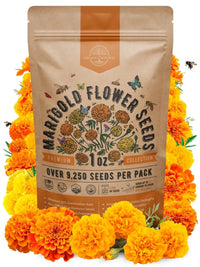
Marigold Seeds PackPest-deterrent partnerA classic melon companion - marigold roots deter nematodes and the blooms pull in pollinators for better fruit set.
Price$12.99Starting at$8.99
Sale

Nasturtium Seeds for Sale – Non-GMO HeirloomLiving pest trapSprawling nasturtiums lure aphids and cucumber beetles away from melon vines and draw in pollinators.
Price$14.99Starting at$6.99
Sale

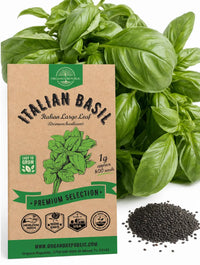
Holy Basil Seeds – Tulsi, Non-GMO HeirloomAromatic companionFragrant basil helps mask melon vines from pests and its flowers bring in the bees that pollinate the blossoms.
Price$4.99Starting at$3.99
Harvest
Uses
Common problems
Frequently asked questions
How long do melons take to grow from seed?
Most melons take about 70 to 100 days from transplant to a ripe fruit, depending on the type. Early, compact varieties like Minnesota Midget can ripen in around 70 days, while honeydews need a longer, warmer season of 90 to 100 days. Start seeds indoors 3 to 4 weeks early to get a head start in cooler climates.
Should I start melon seeds indoors or direct-sow them?
Both work. In warm, long-season regions you can direct-sow melon seeds outdoors once all danger of frost has passed and the soil is at least 70F. In shorter or cooler climates, start seeds indoors 3 to 4 weeks before your last frost and transplant carefully, since melons dislike root disturbance. Use peat or paper pots you can plant whole to avoid shocking the roots.
How much space do melons need?
Melons are sprawling vines and need room. Space plants 18 to 24 inches apart in rows 5 to 6 feet apart, or plant two or three seedlings on a mounded hill with hills spaced about 4 to 6 feet apart. In a small garden, grow a compact short-vine variety or train the vines up a sturdy trellis and support each fruit with a cloth sling.
How do I know when a melon is ripe?
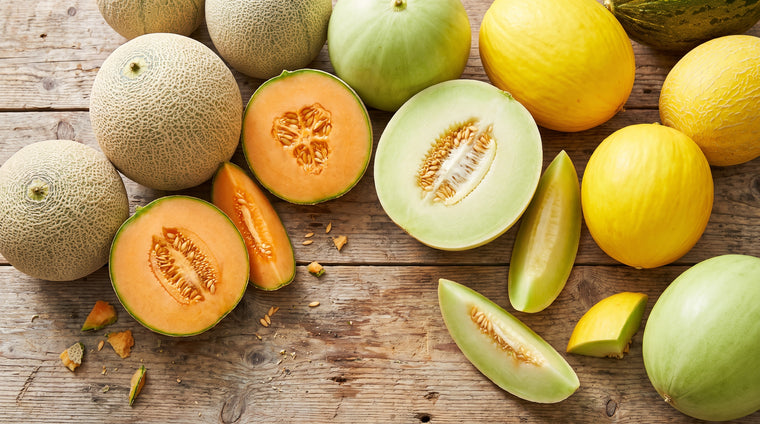
It depends on the type. Netted cantaloupes slip easily from the vine with a gentle tug and smell sweet and fragrant at the stem end. Honeydews and canary melons do not slip, so watch for the rind turning fully creamy or bright yellow, a slightly waxy or wrinkled feel, and a soft, springy blossom end. When in doubt, go by aroma and color rather than by counting days alone.
Why are my melons not sweet?
Sweetness comes from heat, sun, and dryness at the finish. Melons need long, warm, sunny days to build sugar, so a cool or cloudy summer gives blander fruit. Just as important, ease off watering as the fruit nears ripeness - too much water at the end dilutes the sugars. Full sun, warm soil, and a drier final week or two make the sweetest melons.
Can I grow melons in a small garden or containers?
Yes. Choose a compact, short-vined variety like Minnesota Midget and either give it a small mound or train it up a trellis to save ground space. In containers, use a large pot of at least 5 gallons with rich potting mix, keep it in full sun, water steadily, and support each fruit in a sling as it swells. Expect smaller, personal-sized melons but plenty of them.
Sale

Summer Vegetable Seeds Variety Pack – Non-GMO HeirloomSummer fruit & vegMelons plus a summer garden's worth of warm-season fruit and vegetables in one easy pack.
Price$27.99
Sale Price$24.99
Want a whole summer garden? These value packs bundle melons with many other varieties in one order:
Sale

Vegetable Seeds Variety Pack55 varietiesOur biggest vegetable collection - 55 varieties to fill the whole garden around your melon patch.
Price$21.99Starting at$17.99

- Choosing a selection results in a full page refresh.









 Easy Returns 30-day guarantee