


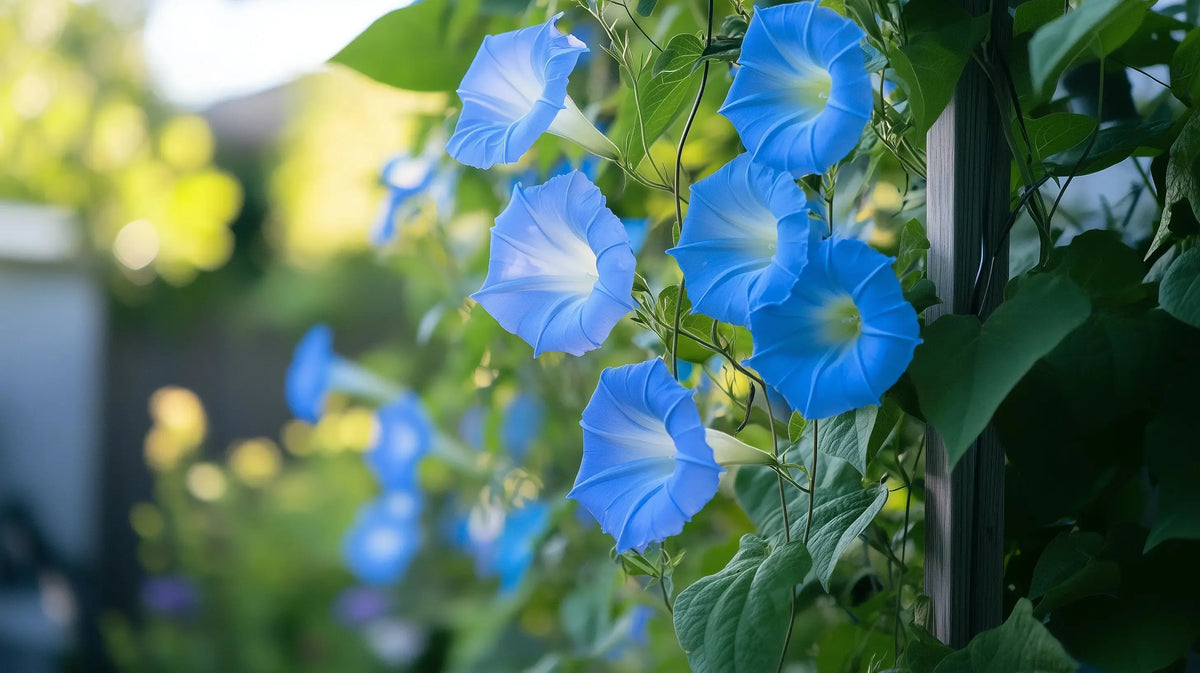
Morning Glory
Updated July 2026
Few flowers reward a beginner as generously as morning glory. Sow a handful of these hard little seeds at the base of a trellis in spring and, by mid summer, you will have a fast-growing vine covered each morning in trumpet-shaped blooms of blue, purple, pink, and white. This heirloom climber loves full sun, thrives in lean soil, and draws hummingbirds and bees all season long. In this guide we will walk through everything from scarifying and soaking the seeds to training the vines, keeping them blooming, and growing them safely.
Growing a specific variety?
Best tip
At a glance
 Botanical name Botanical name | Ipomoea purpurea / Ipomoea tricolor |
|---|---|
 Plant type Plant type | Annual flowering vine |
 USDA zones USDA zones | 2 to 11 (grown as an annual) |
 Sun Sun | Full sun |
 Days to maturity Days to maturity | 65 to 90 days to bloom |
 Height Height | 6 to 12 ft climbing vine |
 Spacing Spacing | 6 in apart |
 Water Water | Moderate; water during dry spells |
When to plant
How to plant
Growing and care
The best companion plants
Sale

Nasturtium Seeds for Sale – Non-GMO HeirloomClimbs alongsideNasturtium scrambles and trails at the base of your trellis, softening the ground while morning glory climbs above.
Price$14.99Starting at$6.99
Sale

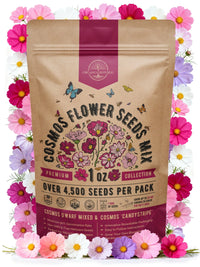
Cosmos Flower Seeds – Non-GMO HeirloomEasy cottage colorAiry cosmos brings tall, breezy daisy-like flowers that echo morning glory's carefree cottage-garden look.
Price$14.99Starting at$12.99
Sale

Black Oil Sunflower Seeds – Non-GMO HeirloomLiving trellisTall black oil sunflowers make sturdy natural supports that morning glory vines happily twine up.
Price$5.99
Sale Price$4.99
Harvest
Uses
Common problems
Frequently asked questions
Should I soak morning glory seeds before planting?
Yes. Morning glory seeds have a hard outer coat, so nick each seed with a nail file or gently scratch it, then soak the seeds in warm water for 12 to 24 hours before sowing. This scarify-and-soak step softens the coat so the seeds sprout faster and more evenly. Sow them right after soaking while they are still plump.
How long does it take morning glory to bloom from seed?
Morning glory usually takes about 65 to 90 days from sowing to its first flowers. Direct sown after your last frost, that means blooms open from mid to late summer and keep coming right up until frost. The vines grow fast once the weather warms, so give them a trellis or support early.
Are morning glory seeds poisonous?
Yes. Morning glory seeds are toxic if eaten and can be dangerous to people and pets, so keep them out of reach of children and animals and never consume them. The plant is grown as an ornamental vine only. Handle the seeds when sowing, wash your hands afterward, and store leftover seed packets safely.
Do morning glories come back every year?
In most gardens morning glory is grown as an annual and dies with the first hard frost. However, it drops plenty of seed and reseeds itself readily, so it often reappears in the same spot the following year. In frost-free regions it can behave as a short-lived perennial and may spread aggressively, so deadhead if you want to keep it in check.
How much space and support do morning glories need?
Morning glory vines climb 6 to 12 feet in a single season, so they need a sturdy trellis, arbor, fence, or string support to twine up. Space plants about 6 inches apart at the base of the support. Give them full sun for the most flowers; too much rich soil or nitrogen fertilizer produces lush leaves but fewer blooms.
Can I grow morning glory in a container?
Yes. Morning glory does well in a large pot with a trellis or teepee for the vines to climb. Use a container at least 12 inches wide with drainage holes, place it in full sun, and water regularly since pots dry out faster than garden beds. A container is also a smart way to enjoy morning glory while keeping this vigorous self-seeder contained.
Sale

Wildflower Seed Mix – Non-GMO HeirloomEasiest way to startOur 21 Annual Wildflower Mix packs morning glory alongside a summer of fast, easy blooms for beds, borders, and pollinators.
Price$24.99
Sale Price$22.99
Want a full summer of easy color around your morning glory? Try these non-GMO wildflower mixes:
Sale

Perennial Wildflower Seeds Mix – Non-GMO HeirloomComes back every year16 Perennial Wildflower Mix fills the beds below your morning glory trellis with blooms that return season after season.
Price$14.99Starting at$12.99
Sale

Butterfly Garden Wildflower Seeds Mix – Non-GMO HeirloomPollinator magnet23 Birds & Butterflies Mix draws the hummingbirds and bees that already love morning glory into one buzzing, fluttering garden.
Price$14.99Starting at$12.99

- Choosing a selection results in a full page refresh.











 Easy Returns 30-day guarantee