


How to Grow Summer Squash From Seed
Updated July 2026
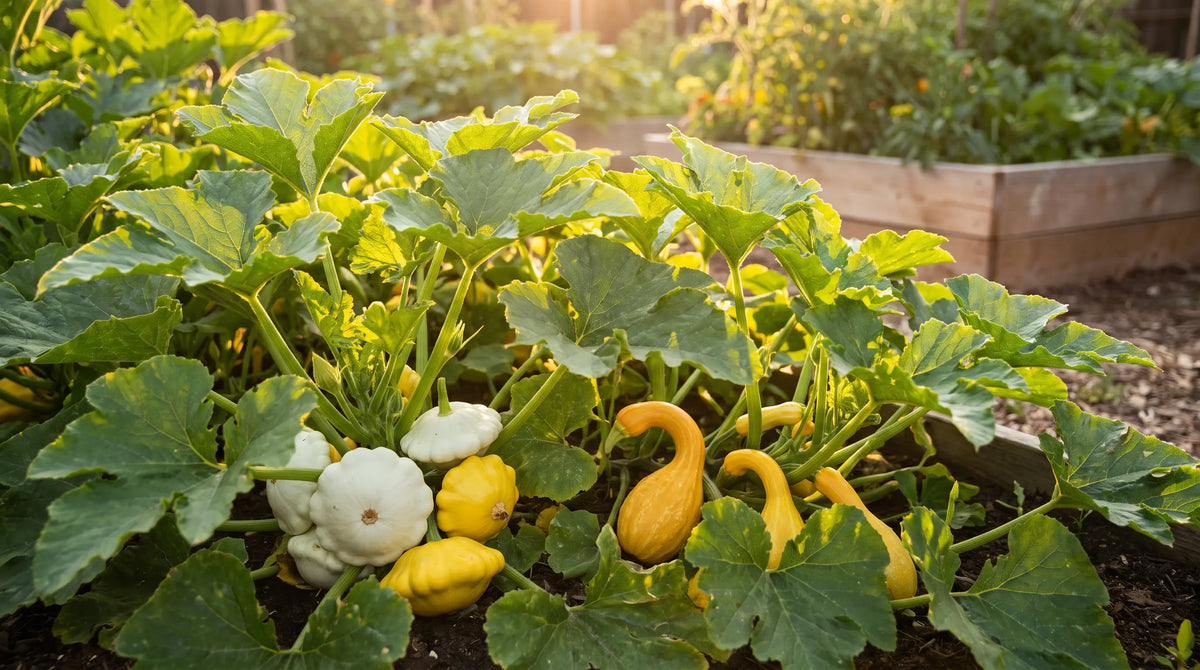
Summer squash is famously easy and generous, turning a couple of plants into baskets of tender fruit all season. These warm-season plants are direct-sown after frost and grow fast, giving you scallop, yellow, and crookneck squash to pick young and often. This complete guide covers every step from seed to harvest, and it works for every summer squash we grow.
Growing a specific variety?
Best tip
At a glance
 Botanical name Botanical name | Cucurbita pepo |
|---|---|
 Plant type Plant type | Warm-season annual |
 USDA zones USDA zones | 3 to 11 (grown as a warm-season annual) |
 Sun Sun | Full sun (6 to 8+ hours) |
 Days to maturity Days to maturity | About 50 to 60 days from sowing |
 Height Height | 18 to 36 inches (bush types) |
 Spacing Spacing | Hills 24 to 36 inches apart |
 Water Water | About 1 inch a week; water at the base |
When to plant
How to plant
Growing and care
Sale

Mycorrhizal Fungi GranulesFeeds roots naturallyMix a pinch into each squash hill at sowing to help young roots take up water and nutrients through a hot, thirsty summer.
Price$39.99Starting at$29.99
The best companion plants
Sale

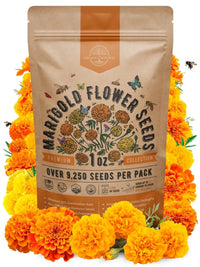
Marigold Seeds PackHeirloom, non-GMOPlant marigolds around the squash hills to deter beetles and draw in pollinators for better fruit set.
Price$12.99Starting at$8.99
Sale

Nasturtium Seeds for Sale – Non-GMO HeirloomHeirloom, non-GMONasturtium is a classic trap crop for squash bugs and beetles, and its flowers bring in bees.
Price$14.99Starting at$6.99
Sale

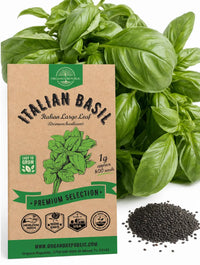
Holy Basil Seeds – Tulsi, Non-GMO HeirloomHeirloom, non-GMOAromatic basil tucked between squash plants helps mask them from pests and feeds pollinators when it flowers.
Price$4.99Starting at$3.99
Harvest
Uses
Common problems
Frequently asked questions
How long does summer squash take to grow from seed?
Most summer squash goes from seed to first harvest in about 50 to 60 days. Because you pick the fruit young and tender rather than waiting for it to fully ripen, plants start producing quickly and keep going for weeks.
Should I start summer squash indoors or direct sow it?
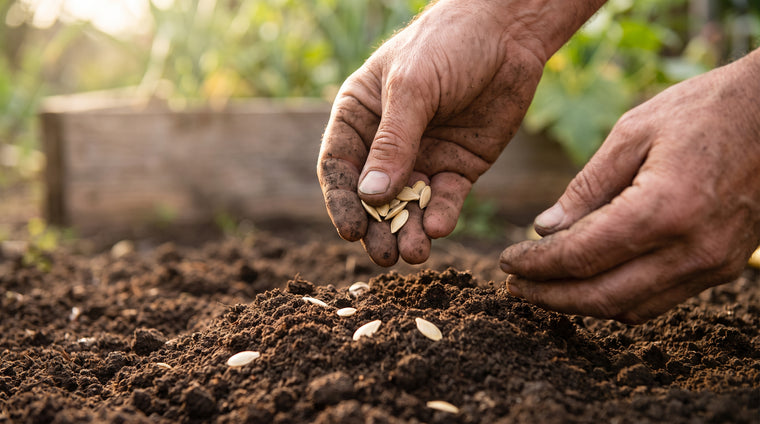
Summer squash grows so fast that it is almost always direct-sown outdoors once the soil is warm and all danger of frost has passed. Sow seeds an inch deep in hills or mounds. In very short-season areas you can start a few indoors two to three weeks early in peat pots to avoid disturbing the roots.
How far apart do you plant summer squash?
Space hills about 24 to 36 inches apart, sowing several seeds per hill and thinning to the two or three strongest plants. Bush types are more compact than vining winter squash, but they still need room and airflow to stay healthy.
Why does my squash flower but not set fruit?
Squash plants make separate male and female flowers, and the first flush is usually all male, so no fruit forms yet. Once female flowers open, they need bees to move pollen. If pollinators are scarce, tiny fruit that yellows and rots means poor pollination, and you can hand-pollinate with a small brush in the morning.
What pests attack summer squash and how do I stop them?
The three big ones are squash bugs, squash vine borers, and cucumber beetles, plus powdery mildew late in the season. Check stems and leaf undersides often, crush egg clusters, and use row covers early (removing them at flowering for pollination). Water at the base and space plants well to keep mildew down.
How often should I pick summer squash?
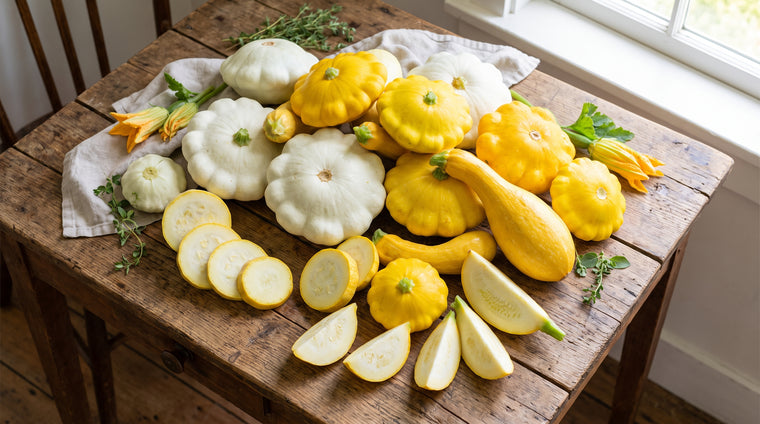
Pick every one to two days once plants hit their stride. Summer squash tastes best small and tender, around 4 to 6 inches for zucchini types and palm-sized for patty-pans, and frequent picking keeps the plant producing. Fruit left too long turns tough and slows new growth.
Want a whole squash patch? These value packs bundle summer squash with other easy vegetables in one order:
Sale

Vegetable Seeds Variety Pack55 varieties, squash includedOur biggest vegetable collection, with summer squash alongside 54 other heirloom favorites for a full season of harvests.
Price$21.99Starting at$17.99

- Choosing a selection results in a full page refresh.















 Easy Returns 30-day guarantee