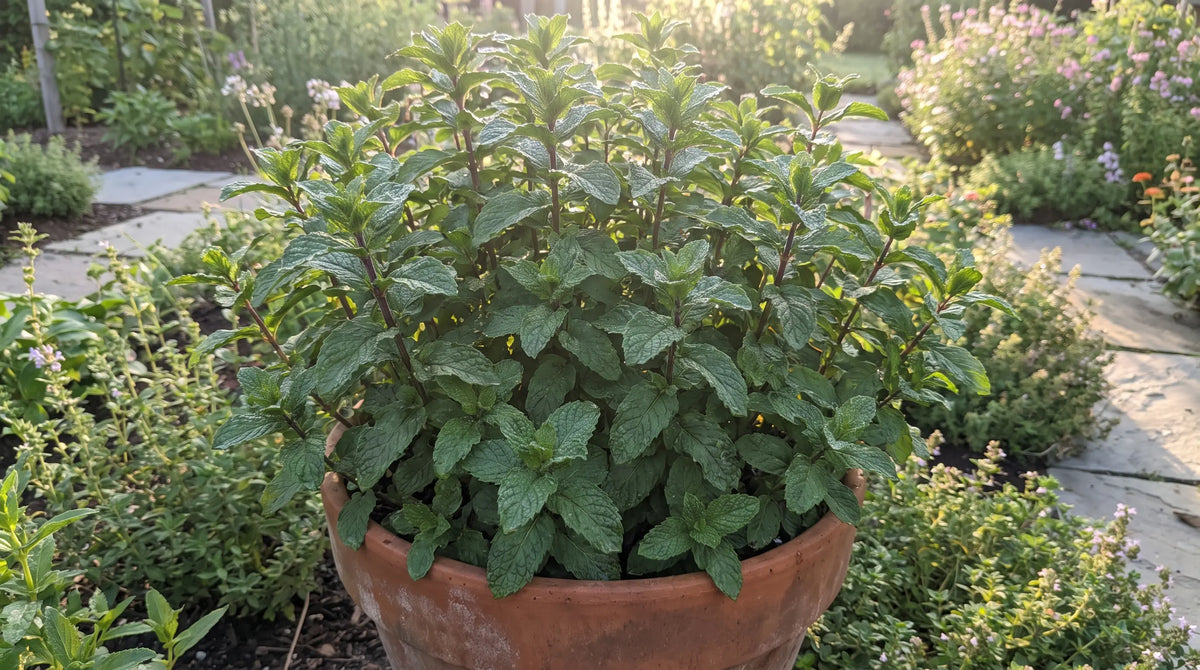
Lush mature mint plant growing in a garden pot, how to grow mint

How to Grow Mint From Seed

Updated July 2026

Mint (Mentha) is about the easiest herb a beginner can start, and learning how to grow mint from seed sets you up with a fragrant, hardy perennial for tea, cooking, and the bee garden. It sprouts fast, comes back bigger every year, and does just as well in a patio pot as in the ground. One honest heads-up first: true peppermint is a sterile hybrid that does not come true from seed, so seed-grown "peppermint" comes up as a good spearmint or garden mint, and true peppermint is grown from cuttings or division instead. Here is how to get a healthy patch going.

Best tip

Mint spreads by underground runners and will take over a bed if you let it. Grow it in a large pot, or sink a bottomless container into the ground, so the roots stay put and you are not digging it out of the lawn every spring.

At a glance

Botanical nameMentha (Mentha x piperita, peppermint)
Plant typePerennial herb
USDA zones3 to 11 (hardy perennial)
SunFull sun to part shade
Days to maturity60 to 90 days (leaf)
Height12 to 24 inches
Spacing18 to 24 inches apart
WaterRegular; keep evenly moist

When to plant

Mint is a cool-friendly perennial that is easy to start in spring. Sow seeds indoors 8 to 10 weeks before your last frost, or direct-sow outdoors once the soil has warmed and frost has passed. In mild zones you can also sow in early fall. Because mint spreads by underground runners, most gardeners start it in a pot to keep it in bounds from day one.

How to plant

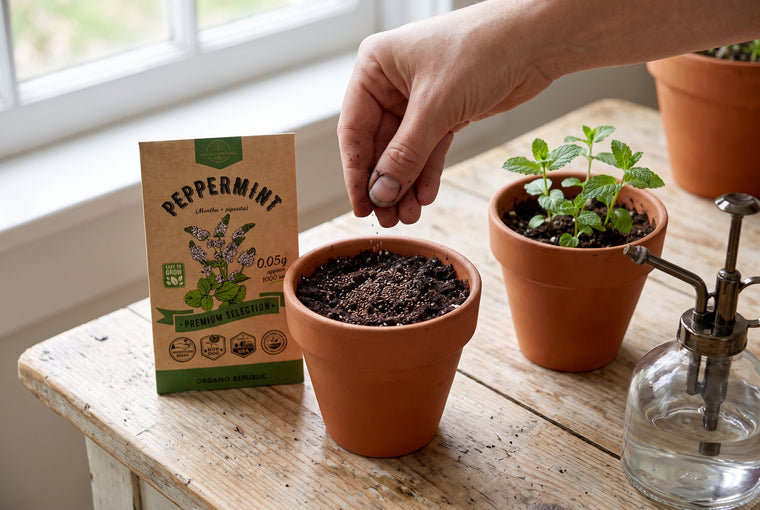
Mint seeds are tiny and need light to germinate, so surface-sow them on moist seed-starting mix and press them in gently without covering. Keep the mix at about 65 to 70F, lightly misted and never soggy, and sprouts appear in roughly 10 to 16 days. Grow in full sun to part shade in rich, consistently moist soil, and thin or transplant seedlings to 18 to 24 inches apart, ideally into a container or a sunken bottomless pot to contain the runners. One honest note: true peppermint (Mentha x piperita) is a sterile hybrid that does not come true from seed, so seed-grown "peppermint" sprouts as spearmint or a fragrant garden mint. If you want guaranteed true peppermint, propagate it from a stem cutting rooted in water for 7 to 10 days, or by dividing an established plant.

Surface-sow mint seeds and press in lightly; they need light to sprout.

Growing and care

Mint practically grows itself once it is up. Keep the soil evenly moist, especially in pots, and give it a light feed in spring to fuel leafy growth. Pinch the tips often to keep plants bushy and to delay flowering, which keeps the leaves at their most flavorful. Mint is famously vigorous, so trim back runners that try to wander, and refresh potted plants by dividing them every couple of years when they get crowded. Spearmint and garden mint are hardy roughly across USDA zones 3 to 11, so in most of the country they die back in winter and come up again in spring, spreading a little wider each year; in the cold north they go fully dormant, while in the warm South and coastal California they can stay green nearly year-round and grow fast, which makes a pot even more useful for keeping them in check.

SaleMycorrhizal Fungi Granules
Mycorrhizal Fungi GranulesFeeds roots naturallyMix a little into the planting hole to boost mint's roots.
Price$39.99Starting at$29.99
View product

The best companion plants

Mint earns its place in the garden as a fragrant pest-confuser and pollinator plant, and its blooms draw in bees and beneficial insects. Because it spreads, keep it potted near these companions rather than loose in the same bed. These four make especially good neighbors, and you can add any of them in one click:

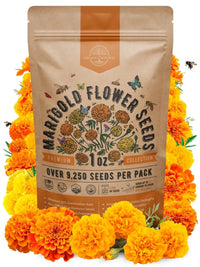
SaleMarigold Seeds Pack
Marigold Seeds PackPest-deterring bloomsBright blooms lure hoverflies and repel aphids near your mint.
Price$12.99Starting at$8.99
View product
SaleNasturtium Seeds
Nasturtium SeedsEdible trap cropA living mulch that shades soil and traps aphids away from mint.
Price$14.99Starting at$6.99
View product
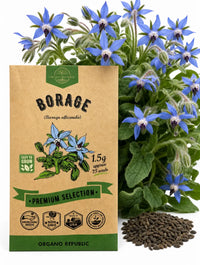
SaleBorage Seeds
Borage SeedsBee magnetStar-shaped flowers pull in bees and pair beautifully in the tea garden.
Price$5.99 Sale Price$4.99
View product
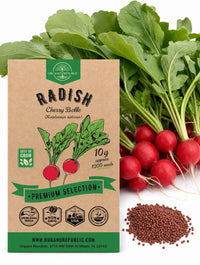
SaleCherry Belle Radish Seeds
Cherry Belle Radish SeedsFast fill-in cropQuick, shallow-rooted radishes tuck in beside mint and mint's scent hides them from root pests.
Price$4.99Starting at$3.99
View product

Mint spreads aggressively. Its underground runners can take over a bed and crowd out neighbors in a single season, so grow it in a container or a sunken bottomless pot, and cut off runners and spent flowers before they travel or set seed.

Harvest

Begin snipping leaves once plants are 6 to 8 inches tall, usually about 60 to 90 days from sowing. Cut stems just above a pair of leaves, taking no more than a third of the plant at a time, and each cut stem branches into two for a bushier plant. Harvest in the morning and just before flowering for the strongest aroma. Mint keeps giving all season and comes back bigger every year.

Uses

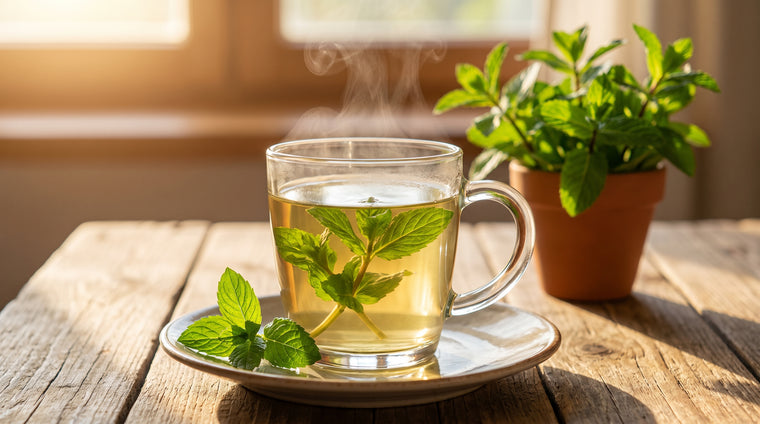
Mint makes a quick, bright cup of tea: steep a handful of fresh sprigs in hot water for a few minutes. In the kitchen it goes with fruit salads, yogurt sauces, peas, lamb, tabbouleh, and desserts, and it is the mint in mojitos and mint juleps. In the garden its scent helps mask the smell of nearby crops from some pests, and the late-summer flowers pull in bees and butterflies. Pick leaves before the plant flowers, when they taste strongest.

Fresh mint sprigs steeped into a bright, refreshing herbal tea.

Common problems

  • Spreading out of control: mint's runners take over fast. Grow it in a pot or a sunken bottomless container and trim wandering runners.
  • Weak or off flavor from seed: seed-sold "peppermint" is really spearmint or a mix, since true peppermint is a sterile hybrid. For guaranteed peppermint, root a cutting or divide a known plant.
  • Slow germination: the seeds need light, so surface-sow and do not bury them, keep the mix at 65 to 70F, and mist to keep it evenly moist.
  • Rust or powdery mildew: give plants airflow, avoid wetting the leaves late in the day, and cut back crowded, tired growth to refresh it.
  • Leggy, pale growth: usually too little light. Grow in full sun to part shade and pinch the tips to keep it bushy.

Frequently asked questions

Does mint come back every year?

Yes. Mint is a hardy perennial in USDA zones 3 to 11, so it dies back in winter and returns from its roots each spring, spreading a little wider every season. In very cold zones a potted plant can be overwintered in a sheltered spot or brought indoors.

Can you grow true peppermint from seed?

Not reliably. True peppermint (Mentha x piperita) is a sterile hybrid that does not produce true-to-type seed, so seeds sold as peppermint sprout as spearmint or a variable garden mint. It is still a lovely, fragrant mint to grow from seed. If you want guaranteed true peppermint, start from a cutting or a division of a known peppermint plant instead.

How do you keep mint from taking over the garden?

Grow it in a container, or sink a bottomless pot into the bed so its underground runners cannot escape. Snip off runners as they wander, and trim spent flowers before they set seed. A pot on the patio or a raised bed edged with a solid barrier keeps mint tidy for years.

Can you grow mint indoors on a windowsill?

Yes, mint is one of the easiest herbs to grow indoors. Give it a pot with drainage on a bright windowsill that gets at least six hours of light, or add a grow light, and keep the soil lightly moist. Pinch it often to keep it bushy and it will supply fresh leaves all year.

How do you harvest mint so it keeps growing?

Pinch or snip stems just above a pair of leaves, cutting no more than a third of the plant at a time. Cutting above a leaf node makes the stem branch into two, so regular harvesting actually makes mint fuller and bushier. Harvest in the morning and just before flowering for the strongest flavor.

Does mint repel mosquitoes and garden pests?

Mint's strong aroma is widely used in gardens to deter mosquitoes, ants, aphids, and cabbage moths, and many gardeners plant it nearby for that reason. Crushing a few leaves releases the scent most strongly. It is a traditional garden trick rather than a substitute for repellent, but a pot of mint by the patio smells wonderful either way.

Ready to grow your own? Start with a packet of heirloom, non-GMO mint seeds for a fragrant, easy herb that returns year after year, perfect for tea, cooking, and the pollinator garden.

SalePeppermint Seeds
Peppermint SeedsAbout 1,000 seeds per packetHeirloom, non-GMO mint seeds for a fragrant, easy tea-and-cooking herb.
Price$4.99Starting at$3.99
View product

Want more than mint? These value sets all include mint seeds, plus many more herbs to grow:

SaleCulinary Herbs & Edible Flower Seeds Variety Pack
Culinary Herbs & Edible Flower Seeds Variety Pack30 varieties, mint includedCulinary herbs and edible flowers for the kitchen garden, mint included.
Price$21.99Starting at$19.99
View product
SaleMedicinal & Tea Herb Seeds Variety Pack
Medicinal & Tea Herb Seeds Variety Pack35 varieties, mint includedOur biggest medicinal and tea herb collection, mint included.
Price$22.99Starting at$16.99
View product
Maxim Kaufman, Founder and CEO of Organo Republic

By Maxim Kaufman — Founder & CEO, Organo Republic

Maxim founded Organo Republic in 2017 and personally selects, tests, and grows the heirloom, non-GMO varieties the company offers. Under his leadership, Organo Republic was named Agri Business Review’s Top Non-GMO Seed Variety Solution 2026.

Stay Connected

Join Our Garden Community

Daily garden inspiration, how-to videos & behind-the-seeds stories.