


How to Grow Tomatillos From Seed
Updated July 2026
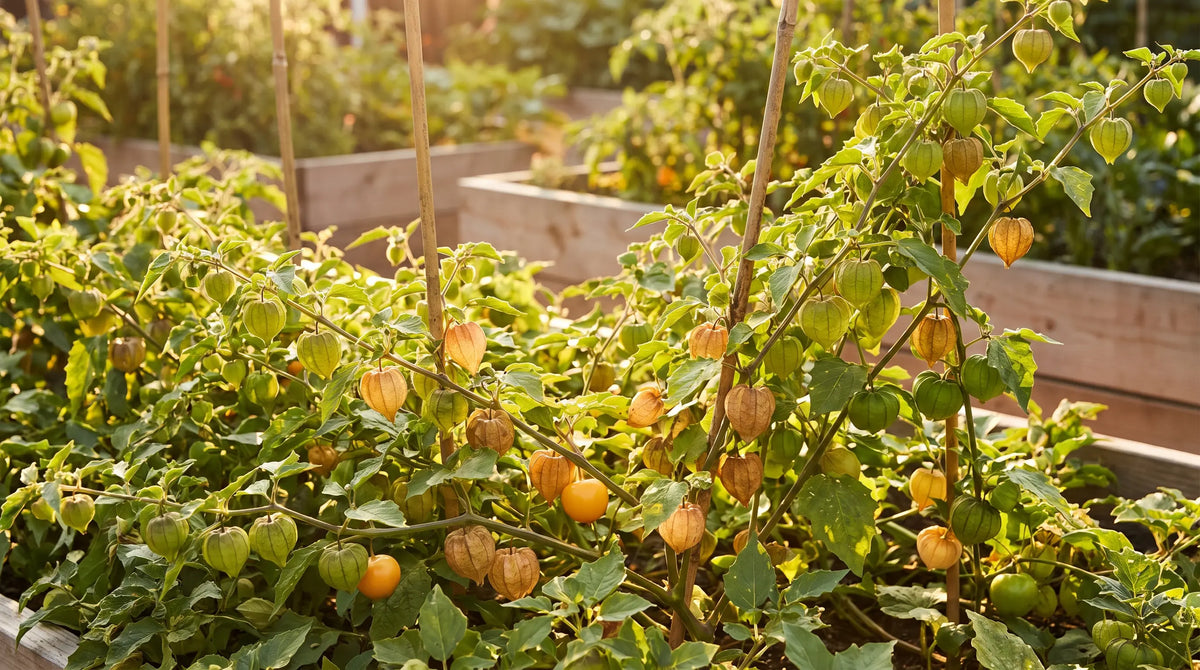
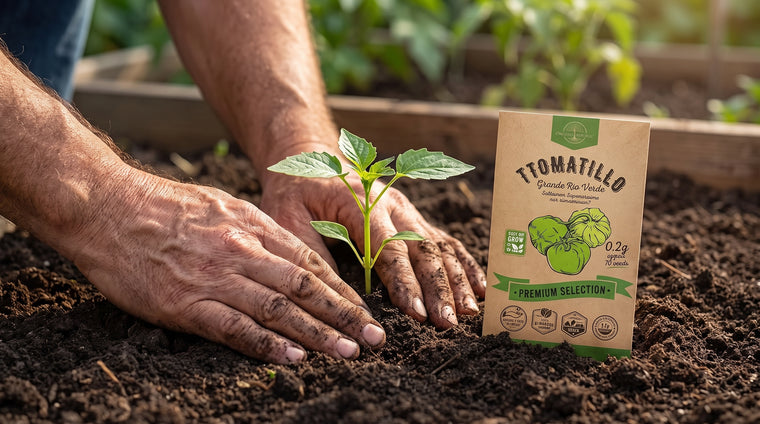
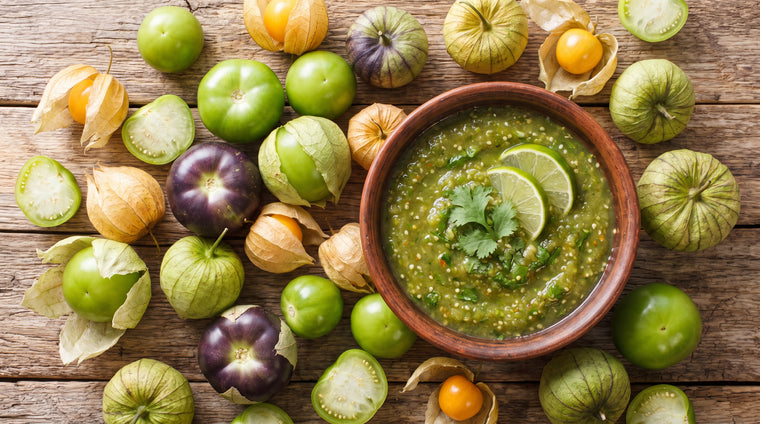
Tomatillos and their sweet cousin the cape gooseberry are the husk fruits every salsa lover should grow. Wrapped in a papery lantern husk, tart green tomatillos are the base of salsa verde, while golden cape gooseberries are a sweet-tart treat eaten fresh or turned into jam. Both are easygoing warm-season plants started indoors and moved outside after frost. This complete guide walks you through starting seeds, transplanting, staking, why tomatillos need a partner plant to set fruit, and exactly when to harvest.
Best tip
At a glance
 Botanical name Botanical name | Physalis philadelphica (tomatillo) & Physalis peruviana (cape gooseberry) |
|---|---|
 Plant type Plant type | Warm-season annual (husk fruit) |
 USDA zones USDA zones | 3-11 (grown as an annual) |
 Sun Sun | Full sun (6+ hours) |
 Days to maturity Days to maturity | 75-120 days from transplant |
 Height Height | 2-5 ft depending on type |
 Spacing Spacing | 24-36 in apart |
 Water Water | About 1 in per week, even moisture |
When to plant
How to plant
Growing and care
Sale

Mycorrhizal Fungi GranulesFeeds roots naturallyMix these mycorrhizal fungi granules into the planting hole so tomatillo and husk-cherry roots take up water and nutrients more efficiently all season.
Price$39.99Starting at$29.99
The best companion plants
Sale

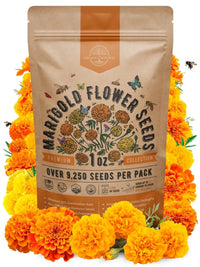
Marigold Seeds PackCompanionMarigolds interplanted with tomatillos add bright color and draw pollinators to the bed, welcome help for a self-incompatible crop that needs cross-pollination.
Price$12.99Starting at$8.99
Sale

Nasturtium Seeds for Sale – Non-GMO HeirloomCompanionNasturtiums sprawl happily at the feet of tomatillo plants and their flowers pull in the bees that help set fruit.
Price$14.99Starting at$6.99
Sale

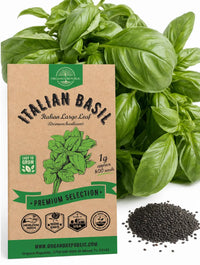
Holy Basil Seeds – Tulsi, Non-GMO HeirloomCompanionBasil is a natural partner in the salsa bed and its flowers keep pollinators buzzing around your tomatillos.
Price$4.99Starting at$3.99
Harvest
Uses
Common problems
Frequently asked questions
Do I need to grow more than one tomatillo plant?
Yes. Tomatillos are self-incompatible, meaning a single plant almost never sets fruit on its own. Always grow at least two plants near each other so their flowers can cross-pollinate. Cape gooseberry (ground cherry) is self-fertile, so one plant will fruit, but you will still get a bigger harvest with a couple.
How do I know when tomatillos are ready to pick?
Watch the papery husk. A tomatillo is ready when the fruit swells to fill the husk and the husk just begins to split. The fruit should feel firm. Cape gooseberries tell you differently, their husks turn tan and the ripe golden berry simply drops to the ground, so gather the fallen fruit.
When should I start husk-fruit seeds?
Start seeds indoors 6 to 8 weeks before your last spring frost. These are warm-season plants with no frost tolerance, so wait until after the last frost and the soil has warmed to transplant them outside. In cool-summer regions, choose a warm sheltered spot for the fastest set.
Do tomatillo plants need support?
Tomatillos do. They grow into sprawling 3 to 5 foot plants that flop and tangle without help, so stake or cage them early to keep the fruit off the soil and make picking easier. Cape gooseberry stays more compact at 2 to 3 feet and usually only needs a light stake.
How long until harvest?
Most husk fruits take about 75 to 100 days from transplant to first harvest. Grande Rio Verde tomatillos ripen around 90 to 100 days, while cape gooseberry runs a little longer at 90 to 120 days. Once they start, both keep producing until frost.
What is the difference between a tomatillo and a cape gooseberry?
Both are husk-wrapped Physalis fruits, but they taste and behave differently. Tomatillos are tart and green, the base of salsa verde, and need a partner plant to set fruit. Cape gooseberry, also called ground cherry, is a sweet-tart golden fruit eaten fresh or made into jam, and a single plant will fruit on its own.
Sale

Tomato & Tomatillo Seeds Variety Pack – Non-GMO Heirloom14 varietiesOur 14 Tomato & Tomatillo Variety Pack pairs Grande Rio Verde tomatillos with a rainbow of heirloom tomatoes for a full salsa-and-sauce garden.
Price$19.99
Sale Price$16.99
Want more than one husk fruit? These value packs pair tomatillos with a full garden of companions:
Sale

Vegetable Seeds Variety Pack55 varietiesOur biggest vegetable collection, 55 varieties, for gardeners who want tomatillos plus a season's worth of everything else.
Price$21.99Starting at$17.99

- Choosing a selection results in a full page refresh.









 Easy Returns 30-day guarantee