


How to Grow Watermelon From Seed
Updated July 2026
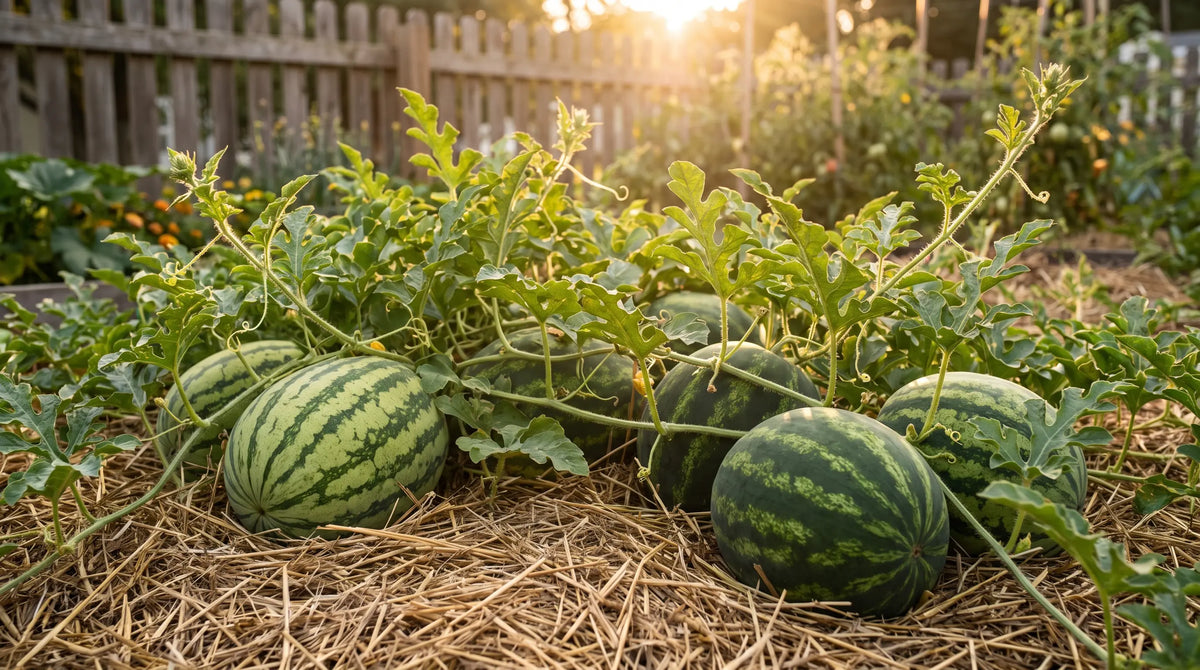
Nothing says summer like a slice of homegrown watermelon. Watermelons are heat-loving vines that need a long, warm season, full sun, and plenty of space to run, rewarding you with big, sweet, juicy fruit. This complete guide covers every step from seed to harvest, and it works for every watermelon we grow, from icebox Sugar Baby to classic Crimson Sweet and Jubilee.
Growing a specific variety?
Best tip
At a glance
 Botanical name Botanical name | Citrullus lanatus |
|---|---|
 Plant type Plant type | Warm-season annual vine |
 USDA zones USDA zones | 3 to 12 (grown as an annual) |
 Sun Sun | Full sun (8+ hours) |
 Days to maturity Days to maturity | 75 to 90 days from transplant |
 Height Height | 12 to 24 in tall; vines 6 to 12 ft long |
 Spacing Spacing | 3 to 4 feet apart; rows 6 feet apart |
 Water Water | Deep and even; ease off as fruit ripens |
When to plant
How to plant
Growing and care
Sale

Mycorrhizal Fungi GranulesFeeds roots naturallyMix these mycorrhizal granules into the planting hole to help watermelon roots reach deeper for the steady water and nutrients big sweet fruit demands.
Price$39.99Starting at$29.99
The best companion plants
Sale

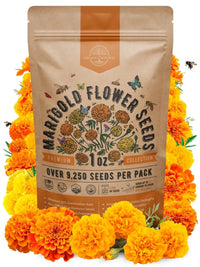
Marigold Seeds PackPest-deterring bloomsMarigolds planted around the melon patch help repel beetles and nematodes while drawing in pollinators for better fruit set.
Price$12.99Starting at$8.99
Sale

Nasturtium Seeds for Sale – Non-GMO HeirloomAphid trap cropNasturtiums lure aphids and cucumber beetles away from your vines and spill happily along the bed edges as a living mulch.
Price$14.99Starting at$6.99
Sale

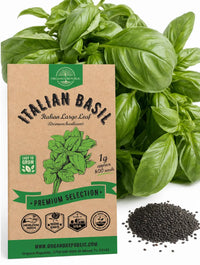
Holy Basil Seeds – Tulsi, Non-GMO HeirloomPollinator magnetBasil's flowers bring in bees to pollinate melon blossoms, and its scent helps confuse pests near the patch.
Price$4.99Starting at$3.99
Harvest
Uses
Common problems
Frequently asked questions
How long do watermelons take to grow from seed?
Most watermelons need about 75 to 90 days of warm weather from seed to ripe fruit. Short-season icebox types like Sugar Baby ripen in around 75 days, while big classic melons like Crimson Sweet and Jubilee take 85 to 90 days, so pick a variety that fits your growing season.
Should I start watermelon seeds indoors or direct-sow them?
In warm, long-season regions, direct-sow seeds outdoors once the soil reaches 70F. In cooler or short-season climates, start seeds indoors 3 to 4 weeks before your last frost in peat or paper pots to avoid disturbing the roots, then transplant carefully after the soil warms.
How much space do watermelons need?
Watermelons are sprawling vines that need room to run. Space or thin plants to about 3 to 4 feet apart in rows 6 feet apart, or grow them on mounds with 2 to 3 plants per hill. Compact icebox varieties can be trained up a sturdy trellis in small gardens if heavier fruit is supported in slings.
How do I know when a watermelon is ripe?
Look for three signs: the curly tendril nearest the fruit turns brown and dries, the pale ground spot where the melon rests turns from white to creamy yellow, and the rind loses its glossy shine and turns dull. A ripe melon also gives a deep, hollow thump when tapped.
Why is my watermelon not sweet?
Sweetness comes from heat, sun, and easing off water as the fruit ripens. Too much water late in the season, cool or cloudy weather, or picking too early all lead to bland melons. Give plants full sun, let the soil dry slightly in the final couple of weeks, and wait for the ripeness signs before cutting.
Do watermelons need a lot of water?
Yes, while the vines are growing and setting fruit, water deeply and consistently so the soil stays evenly moist. Once the melons are near full size and starting to ripen, cut back on watering to concentrate the sugars and improve flavor. Water at the base rather than overhead to help prevent leaf disease.
Sale

Summer Vegetable Seeds Variety Pack – Non-GMO HeirloomWatermelon + summer cropsSugar Baby watermelon plus 24 more summer fruits and vegetables in one pack — the easiest way to fill a warm-season garden from a single order.
Price$27.99
Sale Price$24.99
Want a whole summer garden? These value packs pair watermelon with other warm-season crops:
Sale

Vegetable Seeds Variety Pack55 veggie varietiesOur biggest vegetable collection — 55 varieties and over 11,500 seeds to stock a whole summer garden around your melons.
Price$21.99Starting at$17.99

- Choosing a selection results in a full page refresh.













 Easy Returns 30-day guarantee