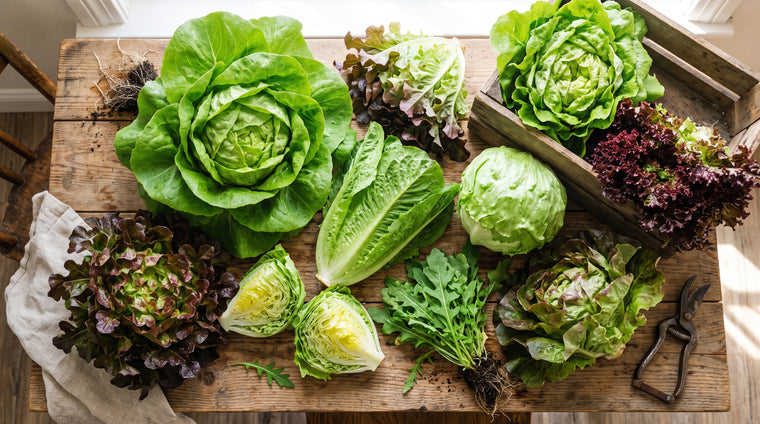
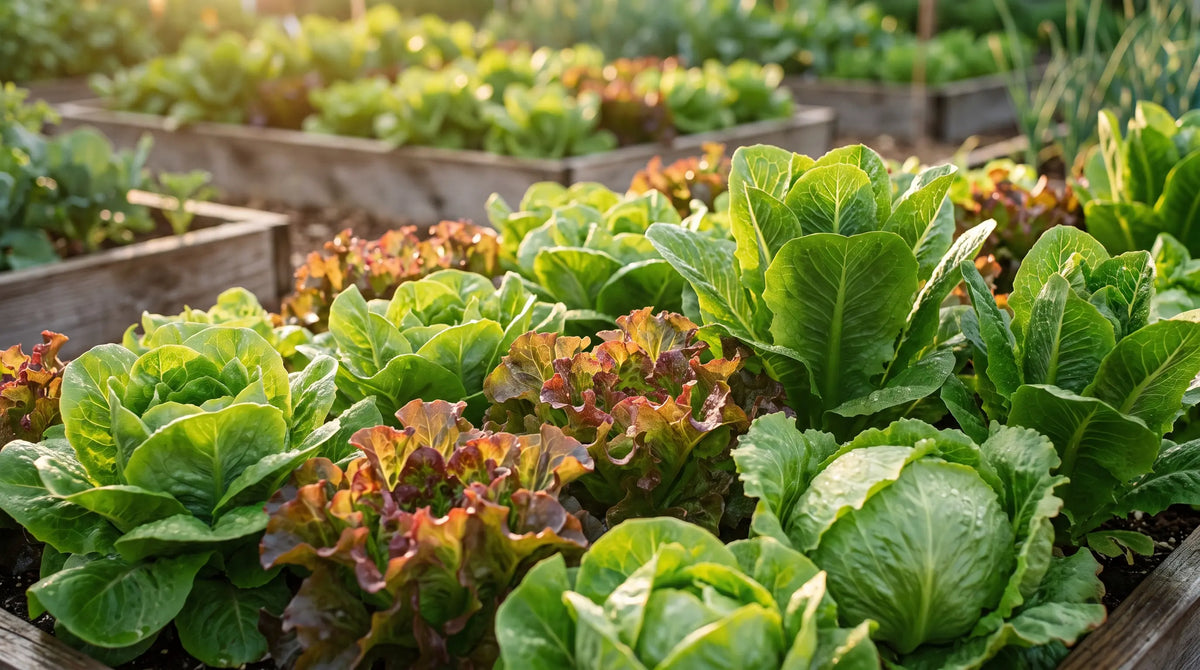
A thriving home garden bed of lettuces in a range of colors and forms in warm golden light

How to Grow Lettuce From Seed

Updated July 2026

Lettuce is one of the quickest, most rewarding crops for any garden, giving you fresh salad leaves in just a few weeks. A cool-season grower, it thrives in spring and fall, and with steady moisture and a little shade in heat you can harvest crisp heads and loose leaves in every color and texture. This complete guide covers every step from seed to harvest, and it works for every lettuce we grow.

Best tip

Lettuce is a cool-season crop, so the secret to sweet, crisp leaves is timing. Sow in the cool of early spring and again in late summer for a fall crop, and keep the soil evenly moist and never let seedlings dry out. Remember that lettuce seed needs light to sprout, so sow it barely covered. Gardeners in hot-summer regions like the South and Southwest should grow lettuce mainly in fall through spring, give it afternoon shade, and choose heat-tolerant types once temperatures climb.

At a glance

Botanical nameLactuca sativa
Plant typeCool-season annual
USDA zones2 to 11 (grown as an annual)
SunFull sun to part shade (part shade in heat)
Days to maturity30 to 45 days leaf; 55 to 85 days heading
Height6 to 12 inches
Spacing4 to 12 inches apart
WaterLight and frequent; keep evenly moist

When to plant

Lettuce thrives in cool weather and can handle light frost, so plant early and often. Direct-sow or transplant your first crop as soon as the soil can be worked in spring, about two to four weeks before your last frost, and sow small batches every two weeks for a steady supply. As summer heat arrives most lettuce bolts and turns bitter, so pause in midsummer and start again in late summer for a fall harvest. In mild-winter regions like the Deep South, California, and the Gulf Coast, lettuce grows right through fall, winter, and spring.

How to plant

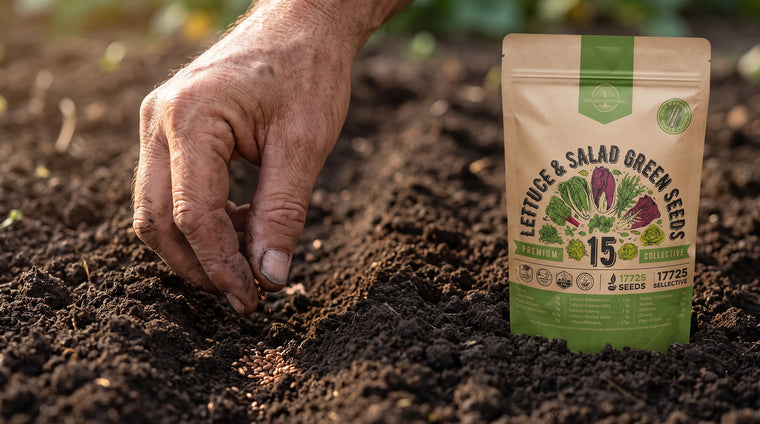
Sow lettuce seed shallowly, no more than an eighth of an inch deep, because it needs light to germinate; simply press the seed onto moist soil and barely cover it. Keep the surface consistently damp and seedlings will appear in seven to fourteen days. You can direct-sow right where plants will grow or start seeds indoors and transplant seedlings out when they have a few true leaves. Thin or space plants four to twelve inches apart depending on type, giving leaf lettuces less room and full heads more, and water gently so the tiny seeds and shallow roots never dry out.

Sow lettuce seed shallowly, barely covered, since it needs light to germinate.

Growing and care

Lettuce is easy to please if you keep it cool and moist. Give it full sun in spring and fall but part shade in summer, and water lightly and often, since its shallow roots dry out fast and stress brings on bitterness and bolting. Feed with a balanced or nitrogen-rich fertilizer to push tender leafy growth, and mulch to hold moisture and keep the soil cool. Pick outer leaves regularly, keep weeds down, and watch for slugs, which love tender lettuce as much as you do.

Mycorrhizal Fungi Granules
Mycorrhizal Fungi GranulesFeeds roots naturallyMix these mycorrhizal fungi granules into the soil at planting to build strong roots and steadier moisture uptake — a real help for shallow-rooted, thirsty lettuce.$39.99$29.99
View product

The best companion plants

Lettuce plays well with almost everything and is a favorite for tucking between slower crops. Good neighbors shade its roots, repel pests, or use space it does not need. Carrots, radishes, beets, and onions are all classic partners. These three are especially easy to add in one click:

Marigold Seeds Pack
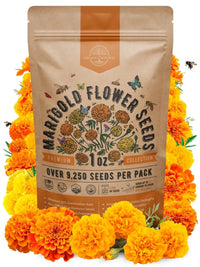
Marigold Seeds PackPest deterrentMarigolds planted along the lettuce bed help repel aphids and root pests while drawing in pollinators and predatory insects.$12.99$8.99
View product
Nasturtium Seeds
Nasturtium SeedsAphid trap cropNasturtium acts as a living trap crop, luring aphids away from your lettuce, and its leaves and flowers are edible in the same salads.$14.99$6.99
View product
Holy Basil Seeds
Holy Basil SeedsShade & pest helpBasil grows happily beside lettuce, its aroma confuses pests, and taller plants can give tender leaves a little afternoon shade in heat.$4.99$3.99
View product

Lettuce bolts and turns bitter in heat. Once days grow long and hot, lettuce shoots up a flower stalk and the leaves turn tough and bitter. Grow it in the cool seasons, keep the soil evenly moist, give afternoon shade in summer, and harvest often. Watch too for slugs and snails, which shred tender leaves overnight; hand-pick them or set out traps and barriers.

Harvest

Harvest lettuce young and often for the best flavor. For leaf and butterhead types use the cut-and-come-again method, snipping outer leaves an inch above the crown so the plant keeps producing for weeks. Cut heading types like romaine and iceberg at the base once the head feels firm and full. Pick in the cool of the morning when leaves are crisp and hydrated, and harvest the whole plant before it starts to bolt, since a lettuce sending up a flower stalk quickly turns bitter.

Uses

Lettuce is the backbone of the salad bowl, but it does far more than that. Crisp romaine and iceberg add crunch to sandwiches, wraps, and Caesar salads, tender butterhead makes delicate lettuce cups and wraps, and colorful loose-leaf types brighten any mixed salad. Lettuce can even be grilled or braised, and homegrown leaves are far sweeter and fresher than anything from a store. Low in calories and rich in vitamins A and K, it is a crop you will pick almost every day.

Crisp heads and tender loose leaves, picked fresh for the salad bowl.

Common problems

  • Bolting: hot, long days make lettuce send up a flower stalk and turn bitter. Grow in cool seasons, water evenly, and give afternoon shade in summer.
  • Poor germination: lettuce seed needs light and cool soil. Sow shallow, keep the surface moist, and avoid sowing in hot soil above 80F.
  • Slugs and snails: they shred tender leaves overnight. Hand-pick in the evening, set beer traps, or use copper barriers and diatomaceous earth.
  • Aphids: rinse them off with a strong spray of water and invite ladybugs with nearby flowers like marigolds and nasturtium.
  • Tip burn: brown, crispy leaf edges from uneven watering or heat. Keep moisture steady and grow in cooler conditions.
  • Bitter leaves: caused by heat and drought stress. Harvest young, keep soil moist, and pick in the cool morning.

Frequently asked questions

How long does lettuce take to grow from seed?

Fast loose-leaf types are ready to pick in about 30 to 45 days, while heading types like romaine and iceberg take 55 to 85 days. You can start snipping outer leaves of leaf and butterhead types long before a full head forms.

Does lettuce need full sun?

Lettuce grows best in full sun to part shade. In spring and fall give it plenty of sun, but in summer heat a spot with afternoon shade keeps the leaves sweet and slows bolting.

Why does my lettuce turn bitter and go to seed?

That is bolting. When days get long and hot, lettuce sends up a tall flower stalk and the leaves turn bitter. Grow it in the cool of spring and fall, keep the soil evenly moist, give afternoon shade in heat, and pick often before it bolts.

How deep should I plant lettuce seeds?

Barely cover them. Lettuce seed needs light to germinate, so sow no more than an eighth of an inch deep or just press the seed onto moist soil. Sowing too deep is the most common reason seeds fail to sprout.

Can I grow lettuce in containers?

Yes, lettuce is ideal for pots and window boxes because of its shallow roots. Use a wide container at least six inches deep, keep the soil evenly moist, and place it where it gets morning sun and some afternoon shade in hot weather.

How do I harvest lettuce so it keeps growing?

For leaf and butterhead types, use the cut-and-come-again method: snip the outer leaves an inch above the crown and the plant keeps producing new ones for weeks. Harvest heading types by cutting the whole head at the base once it feels firm.

Ready to grow your own? Start with a multi-variety lettuce and salad greens pack and grow a whole cut-and-come-again salad garden from a single order.

Want a whole salad garden? These value packs bundle several lettuces and greens in one order:

Lettuce & Salad Greens Seeds Variety Pack
Lettuce & Salad Greens Seeds Variety Pack22 lettuce & greensAn even bigger salad collection — 22 lettuces and greens for months of fresh leaves in every color and texture.$12.99$9.99
View product
Maxim Kaufman, Founder and CEO of Organo Republic

By Maxim Kaufman — Founder & CEO, Organo Republic

Maxim founded Organo Republic in 2017 and personally selects, tests, and grows the heirloom, non-GMO varieties the company offers. Under his leadership, Organo Republic was named Agri Business Review’s Top Non-GMO Seed Variety Solution 2026.