


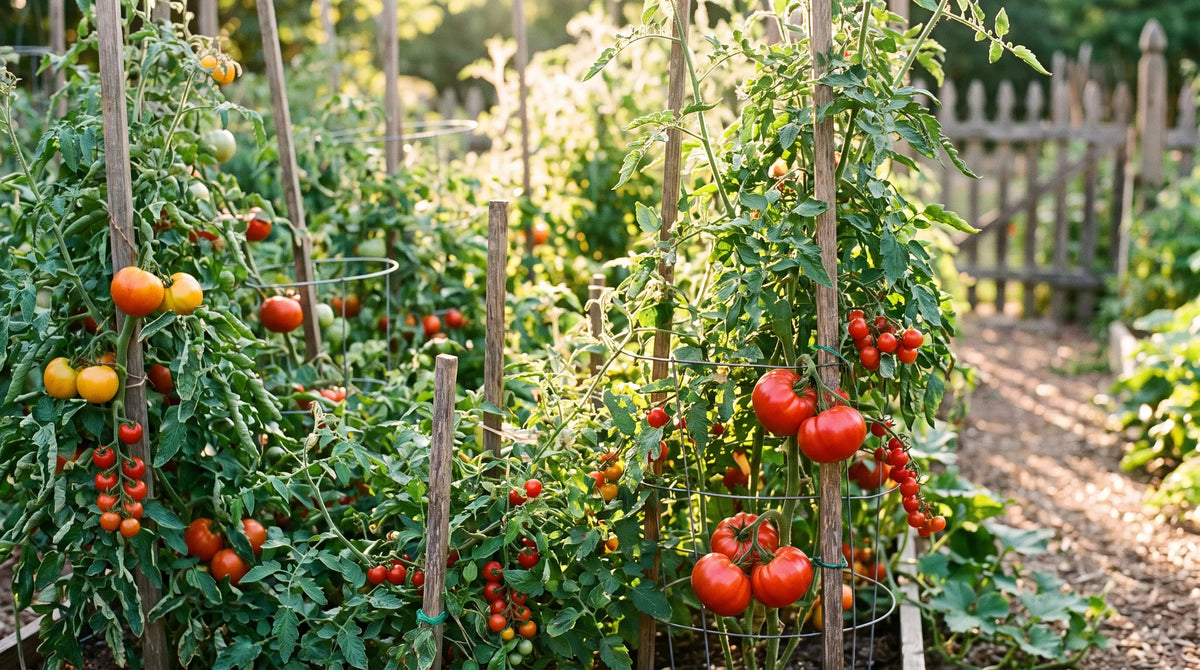
How to Grow Tomatoes From Seed
Updated July 2026
Few things beat a sun-warm tomato picked straight from your own garden. Tomatoes are tender, sun-loving plants that are easy to start from seed indoors and transplant out after the last frost, and with steady warmth, feeding, and support they reward you with baskets of fruit all summer. This complete guide covers every step from seed to harvest, and it works for every tomato we grow, from giant beefsteaks to bite-size cherries.
Growing a specific variety?
Beefsteak & slicing: Red Beefsteak, White Beefsteak, Amana Orange, Dr. Wyche's Yellow, New Yorker, Floradade, Caribe, Marglobe
Best tip
At a glance
 Botanical name Botanical name | Solanum lycopersicum |
|---|---|
 Plant type Plant type | Warm-season annual |
 USDA zones USDA zones | 3 to 12 (grown as an annual) |
 Sun Sun | Full sun (6 to 8+ hours) |
 Days to maturity Days to maturity | 60 to 85 days from transplant |
 Height Height | 3 to 4 ft (bush) to 8+ ft (vining) |
 Spacing Spacing | 18 to 36 inches apart |
 Water Water | Deep and even; 1 to 2 inches a week |
When to plant
How to plant
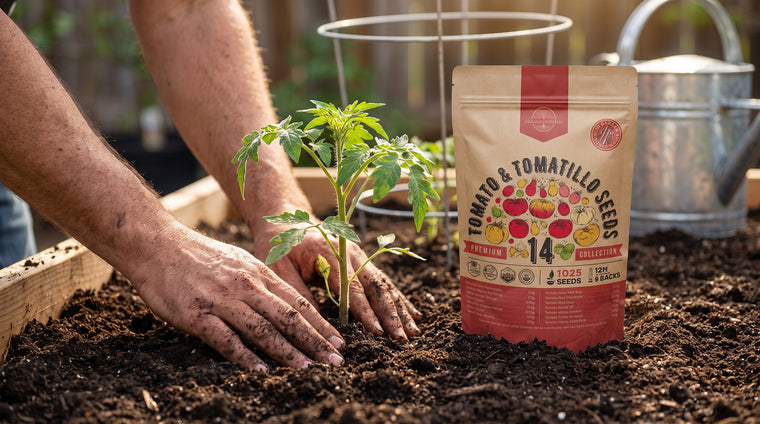
Growing and care
Sale

Mycorrhizal Fungi GranulesFeeds roots naturallyMix a little into the planting hole to help tomato roots take up water and nutrients all season.
Price$39.99Starting at$29.99
The best companion plants
Sale

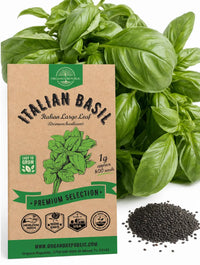
Holy Basil Seeds – Tulsi, Non-GMO HeirloomKitchen companionThe classic tomato companion — aromatic basil loves the same heat and helps mask the plants from pests.
Price$4.99Starting at$3.99
Sale

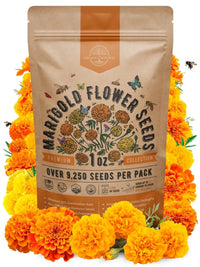
Marigold Seeds PackPest-deterrent partnerIts roots deter nematodes and the blooms pull in the pollinators and hoverflies that protect tomatoes.
Price$12.99Starting at$8.99
Sale

Nasturtium Seeds for Sale – Non-GMO HeirloomTrap cropA trap crop that lures aphids and whitefly away from your tomatoes, with edible peppery flowers.
Price$14.99Starting at$6.99
Harvest
Uses

Common problems
Frequently asked questions
How long do tomatoes take to grow from seed?
Most tomatoes take about 60 to 85 days from transplant to the first ripe fruit, plus 6 to 8 weeks of indoor growing before that. Start seeds indoors early and you can be picking tomatoes by midsummer.
Should I start tomato seeds indoors or sow them directly?
Start them indoors 6 to 8 weeks before your last frost. Tomatoes are frost-tender and need a long, warm season, so direct sowing only works in hot, long-summer climates.
What is the difference between determinate and indeterminate tomatoes?
Determinate (bush) types grow to a set size and ripen most of their fruit at once, which is great for canning. Indeterminate (vining) types keep growing and fruiting until frost, so they need tall staking and give a steady harvest.
Why is my tomato plant flowering but not setting fruit?
Usually temperature stress. Tomatoes drop their blossoms when days climb above about 90F or nights fall below 55F or stay above 75F. Keep them evenly watered and fruit set resumes once temperatures moderate; a gentle shake of the flowering stems helps pollination.
What causes blossom-end rot and cracked tomatoes?
Both come from uneven watering. Blossom-end rot, a sunken brown patch on the base, is a calcium issue triggered by dry spells, and cracking happens when a heavy drink follows drought. Water deeply and consistently, and mulch to even out soil moisture.
When and how do I pick tomatoes?
Pick them when fully colored and slightly soft to a gentle squeeze. You can also harvest at the breaker stage, when color just starts, and ripen them on the counter. Before the first frost, pick all mature green fruit and ripen it indoors.
How do you grow tomatoes in pots or containers?
Use a large pot, at least five gallons, with drainage and good potting mix, and choose a compact or determinate variety if space is tight. Give it full sun, a stake or cage, and steady water. Containers dry out fast, so check daily in summer.
Sale

Tomato & Tomatillo Seeds Variety Pack – Non-GMO Heirloom14 tomato & tomatillo varietiesFourteen heirloom tomatoes and tomatillos in one pack — the easiest way to grow a whole rainbow of varieties.
Price$19.99
Sale Price$16.99
Want a whole tomato patch? These value packs bundle many varieties in one order:

- Choosing a selection results in a full page refresh.


























 Easy Returns 30-day guarantee