


Eggplant Companion Plants: What to Grow and Avoid
Updated August 2026
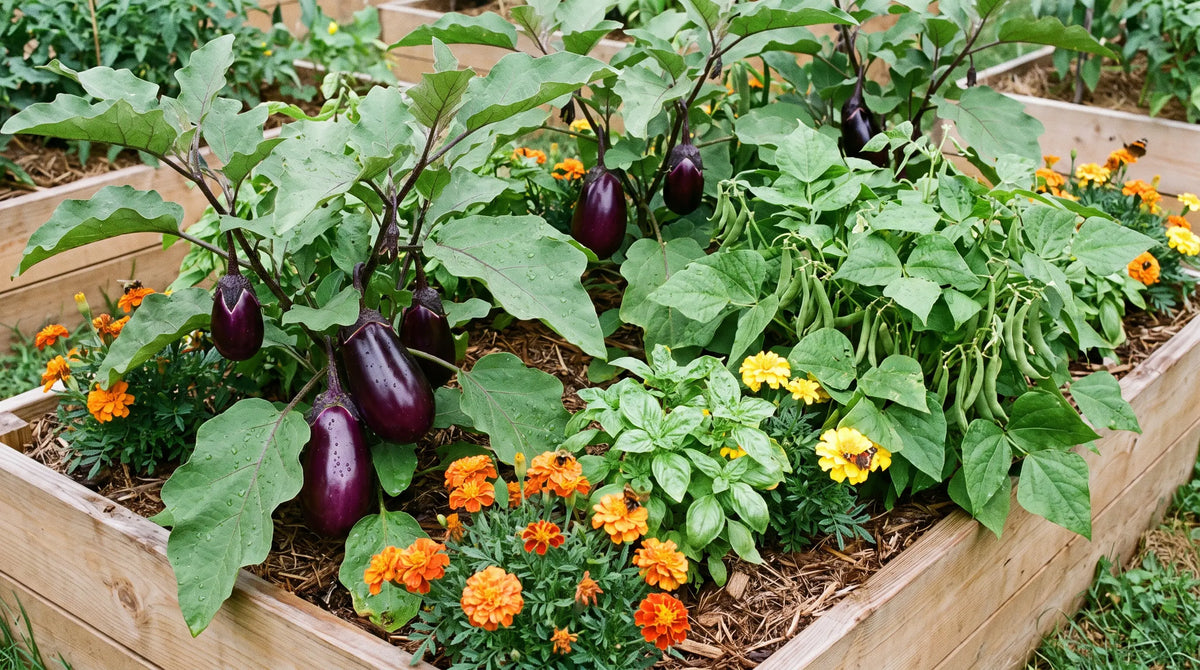
The best companion plants for eggplant are bush beans, peppers and tomatoes, marigolds, nasturtiums, basil, spinach and lettuce, amaranth, and thyme. Eggplant is a heat-loving nightshade that draws its share of pests, from the Colorado potato beetle to flea beetles and aphids, so the right neighbors do real work: they fix nitrogen, repel or trap those pests, shade the roots, and pull in the beneficial insects that keep everything in balance. The main plants to keep away from eggplant are fennel, brassicas, and anywhere other nightshades grew last season.
For the bigger picture, see our complete companion planting chart for what to plant together across the whole garden.
Plant eggplant with: bush beans, peppers, tomatoes, marigolds, nasturtiums, basil, spinach and lettuce, amaranth, and thyme.
Keep eggplant away from: fennel, brassicas (cabbage, broccoli, kale), and the spots where potatoes, tomatoes, or peppers grew last year.
The best companion plants for eggplant
Eggplant is a hungry, pest-prone crop, so the best companion plants for eggplant are the ones that feed the soil, confuse the bugs, and bring in help. Here is what to plant with eggplant, and why each pairing earns its place.
Bush beans
Bush beans are the classic eggplant companion. As legumes they fix nitrogen in the soil, feeding the heavy-feeding eggplant right where it grows. Beans are also famous for repelling the Colorado potato beetle, one of the top eggplant pests, which makes them a rare companion that helps below ground and above it at the same time.
Peppers and tomatoes
Peppers and tomatoes are fellow nightshades with almost identical needs: the same heat, the same rich soil, the same steady water. That makes them easy, low-drama neighbors that thrive on the same care as your eggplant. Group them together and you can water, feed, and tend the whole nightshade bed as one. If you grow peppers or tomatoes too, our pepper companion plants and tomato companion plants guides map out their best partners as well.
Marigolds
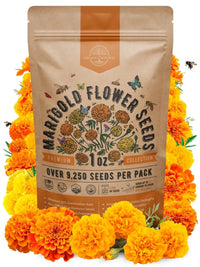
Marigolds are one of the most useful flowers you can tuck around eggplant. Their roots release compounds that deter root-knot nematodes in the soil, and their scent helps put off many of the pests that target nightshades. A border of marigolds around the eggplant bed adds pest defense and a haze of bright color at the same time.
Nasturtiums
Nasturtiums work as a trap crop, luring aphids and flea beetles, both of which love eggplant, onto themselves and away from your fruit. Plant them at the edges of the bed as a sacrificial magnet so the pests gather there instead of on your eggplant leaves. As a bonus, their trailing blooms are edible and pull in pollinators.
Basil
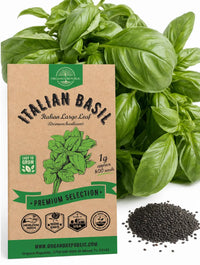
Basil is a powerhouse eggplant companion. Its strong aromatic oils help repel aphids, thrips, and spider mites, three of the sap-sucking pests that plague eggplant in hot weather. Basil also loves the same warmth eggplant does, so the two grow happily side by side, and gardeners often plant them together in the kitchen garden for exactly this reason. See our basil companion plants guide for more on where basil fits best.
Spinach and lettuce
Low, leafy greens like spinach and lettuce make a living mulch beneath taller eggplant. They spread across the soil, shading the roots and helping the bed hold moisture through summer heat, while their shallow roots stay out of the eggplant's way. Because they are quick and low-growing, you can harvest a crop of greens before the eggplant fully shades them out.
Amaranth
Amaranth harbors beneficial predatory insects, giving ground beetles and other helpful bugs a place to shelter near your eggplant. Those predators go to work on the pests that would otherwise settle on your crop. Amaranth is also a striking, easy plant in its own right, adding height and color to the edge of the bed.
Thyme
Thyme is a low, aromatic herb that helps deter pests with its scent and draws in pollinators and beneficial insects when it flowers. Planted as a fragrant edging around the eggplant bed, it earns its keep as both a companion and a kitchen herb.
In every case the pattern is the same: beans and greens feed and shade the soil, the aromatic herbs and flowers repel or trap the pests, and plants like amaranth invite in the predators. Mix a few of these companion plants for eggplant into every bed and you build in protection without reaching for a spray.
What not to plant near eggplant
Eggplant is easygoing with most of the garden, but a few neighbors cause real trouble. Keep these away from eggplant.
- Fennel: Fennel is allelopathic, meaning it releases compounds that inhibit the growth of many nearby plants, eggplant included. It is a poor companion for almost everything, so give it a bed of its own well away from your vegetables.
- Other nightshades in the same soil: Eggplant, potatoes, tomatoes, and peppers all share the same soil-borne diseases, such as verticillium and blight. Growing eggplant where another nightshade grew last season lets those diseases build up and carry over. Rotate away from last year's nightshade patch so the eggplant starts in clean ground.
- Brassicas: Cabbage, broccoli, kale, and their relatives are heavy feeders that compete with eggplant for the same nutrients and space, and they prefer cooler conditions than heat-loving eggplant. Keep the two groups in separate beds so neither one is held back.
Why companion planting works for eggplant
A few things make companion planting especially worthwhile for eggplant.
- It fights eggplant's worst pests. Colorado potato beetles, flea beetles, aphids, and spider mites all target eggplant. Bush beans, marigolds, nasturtiums, and basil each push back on those pests through repellent scents, trap-crop tactics, or by sheltering the predators that eat them.
- It feeds a hungry crop. Eggplant is a heavy feeder. Nitrogen-fixing bush beans enrich the soil right beside it, while a living mulch of spinach and lettuce shades the roots and keeps moisture in during the heat of summer.
- It brings in the helpers. Flowering companions like marigolds, nasturtiums, and thyme draw pollinators and beneficial predatory insects into the bed, building a healthier, more balanced patch around your eggplant.
For the full picture on growing the crop itself, from starting seeds to harvest, see our eggplant growing guide.
How to lay out eggplant companions
Putting companion plants for eggplant to work is mostly about placing the right plant in the right spot.
- Space eggplant first. Give each eggplant 18 to 24 inches of room in full sun and rich, well-drained soil, then fit the companions into the gaps around them.
- Ring the bed with flowers. Plant marigolds and nasturtiums around the edges of the eggplant bed so their pest defense and trap-crop pull surround the crop.
- Tuck herbs and greens between plants. Slip basil and thyme between the eggplants, and use low spinach and lettuce as a living mulch beneath them to shade the roots.
- Interplant the beans. Sow bush beans nearby to feed the soil with nitrogen and help keep the Colorado potato beetle at bay, but keep them a little clear of the eggplant stems so both get light and air.
- Rotate every year. Move eggplant to a bed where no nightshade grew the previous season to avoid shared soil diseases, and start beans or greens in the old spot to rebuild the soil.
Grow eggplant in warm soil, keep it evenly watered, and surround it with these companions, and you will have a healthier, better-defended crop with far less work. You can find heirloom, non-GMO eggplant and companion seeds anytime in our eggplant seeds collection.
The best companion plants

Contender Bush Bean Seeds – Non-GMO HeirloomBush beans fix nitrogen to feed hungry eggplant and are famous for repelling the Colorado potato beetle, a top eggplant pest.
Price$4.99
Sale

Marigold Seeds PackHeirloom, non-GMOMarigolds deter root-knot nematodes in the soil and help put off the pests that target eggplant, all in a border of bright color.
Price$12.99Starting at$8.99
Sale

Nasturtium Seeds for Sale – Non-GMO HeirloomHeirloom, non-GMONasturtiums work as a trap crop, luring aphids and flea beetles, both of which love eggplant, away from your fruit.
Price$14.99Starting at$6.99
Sale

Culinary Herb Seeds Variety Pack – Non-GMO HeirloomIncludes basil and thyme, aromatic herbs that help repel aphids, thrips, and spider mites right beside your eggplant.
Price$12.99Starting at$9.99
Frequently asked questions
What should you not plant near eggplant?
Keep eggplant away from fennel, which is allelopathic and stunts nearby plants, and from brassicas like cabbage, broccoli, and kale, which compete for the same nutrients and prefer cooler conditions. It is also best not to plant eggplant where other nightshades such as potatoes, tomatoes, or peppers grew last season, since they share soil-borne diseases. Rotate to fresh ground each year.
What grows well with eggplant?
Eggplant grows well with bush beans, peppers and tomatoes, marigolds, nasturtiums, basil, spinach and lettuce, amaranth, and thyme. Beans feed the soil with nitrogen and repel the Colorado potato beetle, marigolds and basil deter pests, nasturtiums trap aphids and flea beetles, and low greens shade the roots. Together they build a healthier, better-defended eggplant bed.
Do eggplants need companion plants?
Eggplant does not strictly need companion plants, but it benefits a lot from them. Eggplant is a heavy feeder and a magnet for pests like flea beetles, aphids, and the Colorado potato beetle, so nitrogen-fixing beans, pest-repelling marigolds and basil, and trap crops like nasturtium make the crop noticeably healthier and cut down on the need for sprays.
What is the best companion plant for eggplant?
Bush beans are often called the best companion plant for eggplant. As legumes they fix nitrogen to feed the hungry eggplant, and they are famous for repelling the Colorado potato beetle, one of eggplant's worst pests. Marigolds and basil are close runners-up for their strong pest-deterrent effects.
Can eggplant and peppers grow together?
Yes, eggplant and peppers grow very well together. Both are nightshades with the same needs for heat, rich soil, and steady water, so they make easy, low-drama neighbors you can tend as one bed. The only caution is to rotate the whole nightshade group to fresh ground each year, since eggplant, peppers, tomatoes, and potatoes share soil-borne diseases.
Sale

Black Beauty Eggplant Seeds – Non-GMO HeirloomStart hereHeirloom, non-GMO Eggplant Black Beauty seeds for glossy, deep-purple fruit. Start here, then surround it with the companions above.
Price$4.99Starting at$3.99

- Choosing a selection results in a full page refresh.












 Easy Returns 30-day guarantee