


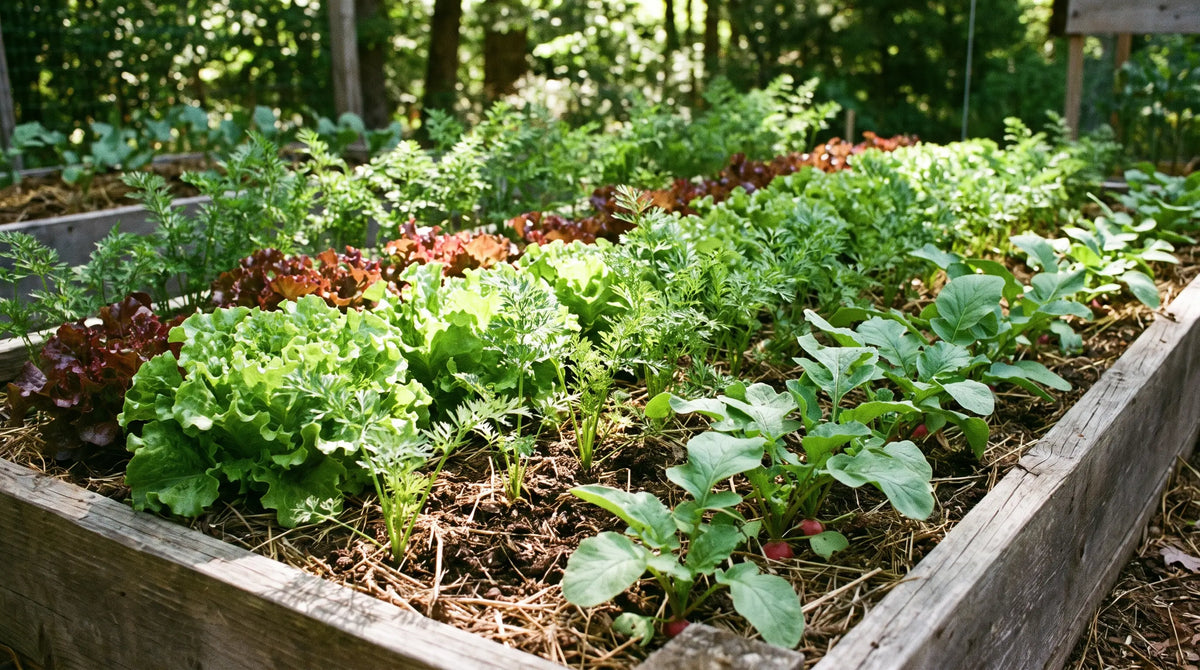
Lettuce Companion Plants: What to Grow and What to Avoid
Updated August 2026
Lettuce is a cool-season, shallow-rooted leafy green, and the plants you set beside it can decide whether it stays sweet and tender or turns bitter and bolts. The best lettuce companion plants share the bed without competing for the same space, deter the pests that shred tender leaves, and cast a little light shade that keeps lettuce cool as the season warms. Here is exactly what to plant with lettuce, what to keep away from it, and how to lay it all out.
For the bigger picture, see our complete companion planting chart for what to plant together across the whole garden.
Quick answer
Plant lettuce with: carrots, radishes, beets, onions, chives, tomatoes, corn, pole beans, marigolds, nasturtiums, cilantro, and dill.
Keep lettuce away from: aggressive brassicas like broccoli and cabbage that crowd it, and parsley once it grows large enough to shade the bed.
The best companion plants for lettuce
These are the companions that earn their place in a lettuce bed. Each one solves a specific problem, whether that is space, pests, pollination, or the heat that makes lettuce bolt.
1. Carrots, radishes, and beets
Root crops are lettuce's ideal neighbors because they use a completely different layer of the soil. Lettuce feeds in the top few inches while carrots, radishes, and beets pull their bulk from deeper down, so the two never fight over the same root space. Radishes are especially handy because they sprout and mature fast, marking your rows and loosening the soil before the lettuce fully fills in. If you already grow carrots, our carrot companion plants guide shows how lettuce fits into that pairing from the other side.
2. Onions and chives
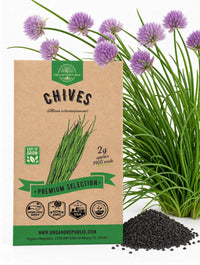
Alliums like onions and chives carry a strong scent that many soft-bodied pests dislike, and that quiet chemistry helps keep aphids off your lettuce leaves. Gardeners also find that the smell helps deter rabbits and other nibblers that would otherwise mow a lettuce patch overnight. Tuck a few onions or a clump of chives along the edge of the bed and let them stand guard. Our onion companion plants guide covers the full list of what pairs well with alliums.
3. Tomatoes, corn, and pole beans
Tall crops are some of the best partners for lettuce once the weather heats up. Tomatoes, corn, and pole beans grow well above the lettuce canopy and throw a welcome light shade across it during the hottest part of the day. That cooler, dappled light slows bolting, which is the moment lettuce turns bitter and shoots to seed. Pole beans add a bonus, fixing nitrogen in the soil that feeds the leafy growth lettuce depends on. See our tomato companion plants guide for how to site tomatoes so they shelter rather than smother their neighbors.
4. Marigolds and nasturtiums
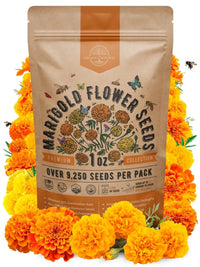
Flowers do double duty in a lettuce bed. Marigolds and nasturtiums both draw in pollinators and beneficial insects, and nasturtiums work as a classic trap crop, luring aphids and slugs to themselves and away from your tender lettuce. Marigolds add their own strong scent that many pests avoid, plus bright color at the edge of the bed. Plant them around the border so they can pull pests to the perimeter.
5. Cilantro and dill
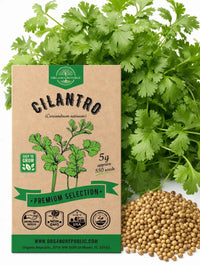
Let a few plants of cilantro and dill flower near your lettuce and they become tiny landing pads for beneficial insects. The small, open blooms attract hoverflies, lacewings, and parasitic wasps, the natural predators that keep aphid numbers in check. Because both herbs enjoy the same cool, moist conditions lettuce loves, they slot in easily and ask for nothing extra.
What not to plant near lettuce
A few neighbors do more harm than good. These are the ones to keep out of the lettuce bed, or at least give some distance.
Aggressive brassicas
Large brassicas like broccoli, cabbage, and Brussels sprouts are heavy feeders that spread wide and compete hard for water, nutrients, and light. Planted right on top of lettuce, they crowd the shallow-rooted greens and can leave them stunted. You can grow both in the same garden, just give the brassicas their own space and keep them from overhanging the lettuce.
Parsley
Parsley is a fine herb, but it can grow into a large, bushy plant over time. Sited too close, it shades out low lettuce and steals the light those leaves need to stay full and sweet. Keep parsley to its own corner or the back of the bed where its size will not overshadow your greens.
A note on brassica residue
There is one subtle point worth knowing. Broccoli and other brassica residue left in the soil can slightly inhibit lettuce that follows in the same spot, so it pays to follow good crop rotation. Do not plant lettuce directly into a bed you just cleared of broccoli. Give the soil a season or amend it well before sowing lettuce there.
Why companion planting works for lettuce
Companion planting is not folklore alone. With lettuce, it lines up with a few very practical needs of the crop.
- Space efficiency. Lettuce is shallow-rooted and quick, so deep-rooted carrots and beets share the bed without competing, and fast radishes fill the gaps before the lettuce spreads.
- Shade and cooler soil. Tall companions like tomatoes and corn soften the afternoon sun, keeping the soil cooler and slowing the bolting that turns lettuce bitter in heat.
- Pest control. Onions and chives repel aphids and rabbits, while nasturtiums pull slugs and aphids away as a trap crop and marigolds add scent-based protection.
- Beneficial insects. Flowering cilantro, dill, marigolds, and nasturtiums invite the pollinators and predatory insects that keep a lettuce patch balanced and healthy.
How to lay out a lettuce companion garden
A little planning makes companion planting easy. Lettuce is small and quick, so build the bed around it and let the neighbors do their jobs.
- Interplant root crops in the rows. Sow carrots, radishes, and beets right between or alongside your lettuce. They use the deeper soil while lettuce feeds up top, so both thrive in the same footprint.
- Edge the bed with alliums and flowers. Line the border with onions, chives, marigolds, and nasturtiums to steer aphids, slugs, and rabbits away from the tender centers.
- Use tall crops for summer shade. Site tomatoes, corn, or pole beans to the south or west of the lettuce so their canopy shades it during the hottest hours and slows bolting.
- Rotate away from brassicas. Avoid planting lettuce straight into a bed you just cleared of broccoli or cabbage, and keep large brassicas and mature parsley from overhanging your greens.
Get the neighbors right and your lettuce bed will stay cooler, cleaner, and sweeter, giving you tender leaves for longer before anything bolts. For the full sowing and harvest routine, see our lettuce growing guide, and browse the whole lettuce seeds collection to pick your varieties. Below you will find the exact non-GMO, heirloom seeds we grow alongside our own lettuce.
The best companion plants
Sale

Rainbow Carrot Seeds – Variety Pack, Non-GMO HeirloomRoot crop partnerDeep roots use a different soil layer, so carrots never crowd shallow lettuce.
Price$14.99
Sale Price$13.49
Sale

Onion Seeds Variety Pack – Non-GMO HeirloomPest deterrentAllium scent helps deter aphids and rabbits from tender lettuce leaves.
Price$12.99
Sale Price$9.99
Sale

Marigold Seeds PackPollinator magnetDraws pollinators and beneficials while its scent keeps many pests away.
Price$12.99Starting at$8.99
Sale

Nasturtium Seeds for Sale – Non-GMO HeirloomTrap cropA classic trap crop that lures aphids and slugs away from your lettuce.
Price$14.99Starting at$6.99
Frequently asked questions
What should you not plant near lettuce?
Keep lettuce away from large, aggressive brassicas like broccoli, cabbage, and Brussels sprouts, which spread wide and compete hard for water, nutrients, and light. Also avoid crowding lettuce next to mature parsley, since a big bushy plant can shade it out. One more note: broccoli and other brassica residue in the soil can slightly inhibit lettuce that follows, so rotate crops and do not sow lettuce straight into a bed you just cleared of broccoli.
What grows well with lettuce?
Lettuce grows well with root crops like carrots, radishes, and beets that use a different soil layer, with onions and chives that deter aphids and rabbits, and with tall crops like tomatoes, corn, and pole beans that cast light shade to slow bolting. Marigolds and nasturtiums draw pollinators and lure pests away, while flowering cilantro and dill attract beneficial insects.
Do lettuce need companion plants?
Lettuce does not strictly need companion plants, but it benefits a lot from good neighbors. Root crops let you use the same bed more efficiently, alliums and flowers cut down on aphids and slugs, and tall companions shade lettuce in summer heat so it stays sweet and tender for longer before bolting. Companion planting simply makes a lettuce patch healthier and more productive.
What is the best companion plant for lettuce?
There is no single best companion, but carrots are one of the strongest all-around partners because their deep roots share the bed without competing with shallow lettuce. For pest control, onions and chives are hard to beat, and for slowing summer bolting, a tall neighbor like tomatoes that casts light afternoon shade is ideal. The best choice depends on whether you want space efficiency, pest defense, or shade.
What can I plant with lettuce to keep pests away?
To keep pests off lettuce, plant onions and chives nearby, since their scent deters aphids and rabbits. Ring the bed with nasturtiums, which act as a trap crop that lures aphids and slugs to themselves, and marigolds, whose strong scent repels many pests while attracting beneficial insects. Letting cilantro and dill flower nearby also brings in the hoverflies and lacewings that prey on aphids.

- Choosing a selection results in a full page refresh.












 Easy Returns 30-day guarantee