


Carrot Companion Plants: What to Grow and Avoid
Updated August 2026
Carrots are one of the most rewarding root crops you can grow, but they have one persistent enemy, and the plants you set beside them can decide how clean your harvest is. The best carrot companion plants mask the scent that draws the carrot rust fly, loosen and mark the soil, feed the bed with nitrogen, and pull in the pollinators and beneficial insects that keep everything in balance. Here is exactly what to plant with carrots, what to keep away from them, and how to lay it all out.
For the bigger picture, see our complete companion planting chart for what to plant together across the whole garden.
Quick answer
Plant carrots with: onions, leeks, and chives, tomatoes, lettuce, radishes, peas and beans, rosemary and sage, and marigolds and nasturtiums.
Keep carrots away from: dill and fennel, parsnips, and heavy competitors like potatoes.
The best companion plants for carrots
These are the companions that earn their place in a carrot bed. Each one solves a specific problem, whether that is pests, soil, space, or pollination. The theme that runs through almost all of them is scent: carrots are hunted by the carrot rust fly, and the right neighbors help hide them.
Onions, leeks, and chives
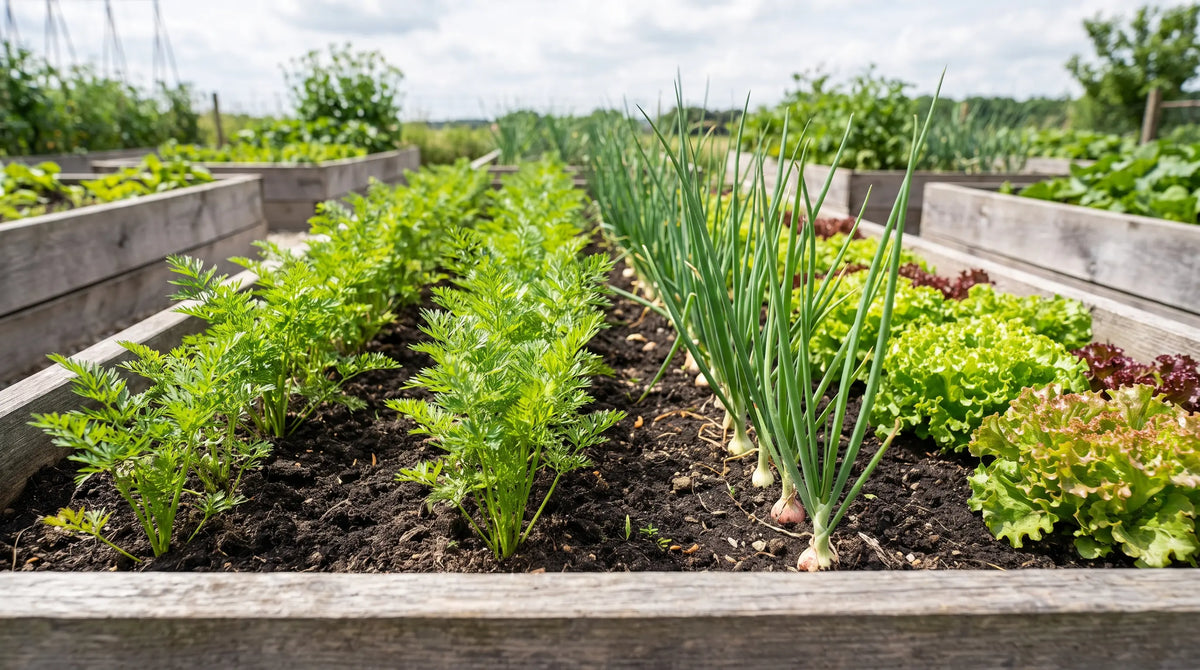
This is the classic pairing, and the most important one. Onions and their allium cousins, leeks and chives, give off a sharp, sulfur-rich scent that repels the carrot rust fly, the carrot's worst pest, by masking the carrot smell it hunts for. Interplant a row of onions or a border of chives right beside your carrots and you build a living scent barrier around the roots. It works both ways, since the feathery carrot foliage helps confuse onion pests in return. For the full breakdown of allium pairings, see our guide to onion companion plants.
Tomatoes
Carrots and tomatoes are the famous "carrots love tomatoes" pairing. Tall tomato plants throw light, dappled shade that can keep carrots from bolting during the hottest part of summer, and the two make smart use of vertical space because carrots grow down while tomatoes grow up. Give the tomatoes enough room that they do not shade the carrots too heavily, and both crops thrive in the same bed. You will find more matches in our tomato companion plants guide.
Lettuce
Lettuce is a tidy, low companion that makes excellent use of the ground between carrot rows. It has shallow roots that never compete with the deep-diving carrot, it matures quickly, and its leafy cover helps shade the soil and hold in moisture while your slow carrots get established. Sow a row of lettuce alongside your carrots and harvest it before the carrots need the space. See our lettuce companion plants guide for more pairings.
Radishes
Radishes may be the single most practical carrot companion. Carrot seed is slow and fussy to germinate, so gardeners sow fast radishes right in the same row: the radishes sprout within days and mark exactly where the carrots will come up, which makes early weeding easy. As they grow they loosen and break up the soil for the carrot roots to follow, and because they mature so quickly you pull them long before the carrots need that space.
Peas and beans
Peas and beans are nitrogen fixers, working with soil bacteria to pull nitrogen from the air and leave the soil richer for their neighbors. Carrots grown in that improved soil put on healthier top growth, and the legumes take up little root room down where the carrots live. Low bush beans or a short row of peas nearby quietly feed the bed while you wait on the roots.
Rosemary and sage
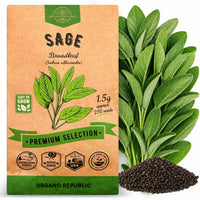
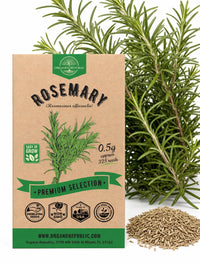
Aromatic herbs like rosemary and sage do the same job as the alliums through a different scent. Their strong, resinous oils help confuse and deter the carrot rust fly, so a few plants tucked near the carrot patch add another layer of pest-masking protection. As a bonus they are perennial in many gardens and bring in pollinators when they flower.
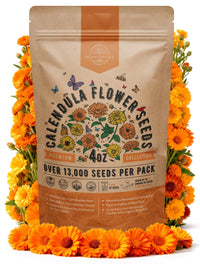
Marigolds and nasturtiums
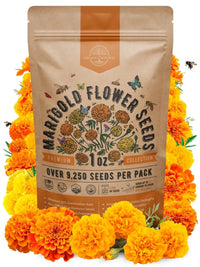
Flowers pull their weight in a carrot bed too. Marigolds have a strong scent that helps deter many pest insects, and their roots are known to discourage root-knot nematodes in the soil, while their bright blooms draw in ladybugs and hoverflies. Nasturtiums work as a trap crop, luring aphids away from your crops, and both flowers bring pollinators to the whole garden. Ring the edges of the carrot patch with them for easy, colorful protection.
What not to plant near carrots
A few neighbors do more harm than good. These are the ones to keep out of the carrot patch.
Dill and fennel
Dill and fennel are the main herbs to keep away from carrots. Both can cross-attract pests, and because they are close relatives of the carrot they can even cross-pollinate if you let them flower and want to save seed. Fennel is the bigger problem: it is allelopathic, releasing compounds that slow or inhibit the growth of most nearby vegetables, carrots included. If you grow fennel, give it its own corner well away from the carrot bed.
Parsnips
Parsnips are in the same family as carrots, which means they share the same pests and diseases, including the carrot rust fly. Growing the two side by side concentrates those problems and raises the pressure on both crops, so keep parsnips and carrots in separate parts of the garden rather than in the same row.
Potatoes and other heavy competitors
Do not crowd carrots against heavy feeders like potatoes. Potatoes compete hard for water and nutrients and their vigorous growth can shade and stunt the slower carrots, while digging potatoes can disturb and damage the developing carrot roots nearby. Give both crops their own space so neither is fighting the other.
Why companion planting works for carrots
Companion planting is not folklore alone. With carrots it lines up with a few very practical needs of the crop.
- Pest masking. The carrot rust fly finds carrots by smell. Strong-scented neighbors like onions, chives, leeks, rosemary, and sage hide that scent, which is the most effective natural defense against the carrot's number one pest.
- Soil and germination help. Carrot seed is slow and needs loose, stone-free soil. Radishes break up the ground and mark the rows, and legumes like peas and beans add nitrogen that feeds healthy top growth.
- Efficient use of space. Shallow-rooted lettuce and quick radishes fill the ground between rows without competing with the deep carrot root, so nothing goes to waste while the carrots size up.
- Pollinators and pest predators. Marigolds, nasturtiums, and flowering herbs bring in bees, ladybugs, and hoverflies that keep aphids and other pests in check across the whole bed.
How to lay out carrot companions
A little planning makes companion planting easy. Carrots are sown in rows and need patience, so build the companions around that rhythm.
- Alternate rows with alliums. Plant a row of onions or a border of chives right beside each row of carrots so the scent barrier sits exactly where the carrot rust fly is hunting.
- Sow radishes in the carrot row. Mix a few radish seeds into the carrot row at sowing time. They sprout fast, mark the slow carrots, loosen the soil, and are pulled early before the carrots need the room.
- Fill the gaps with lettuce. Tuck shallow-rooted lettuce between rows to shade the soil and hold moisture while the carrots germinate, then harvest it before the carrots crowd in.
- Ring the edges with flowers and herbs. Set marigolds, nasturtiums, rosemary, and sage around the border of the patch to draw pollinators, add another scent layer, and steer pests away from the roots.
Get the neighbors right and your carrot patch will be better protected, better pollinated, and easier to grow, with straighter, sweeter roots for your trouble. For the full sowing and care details, see our complete carrot growing guide, and browse every variety in the carrot seeds collection. Below you will find the exact non-GMO, heirloom seeds we grow alongside our own carrots.
The best companion plants
Sale

Onion Seeds Variety Pack – Non-GMO HeirloomBest pairingTheir sharp allium scent masks the carrot smell that draws the carrot rust fly, the classic pest-repelling pairing.
Price$12.99
Sale Price$9.99
Sale

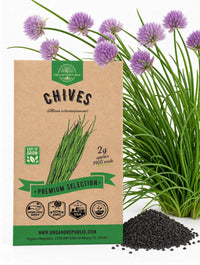
Chives Seeds – Non-GMO HeirloomHeirloom, non-GMOA perennial allium border whose oniony scent confuses carrot fly and feeds pollinators when it blooms.
Price$4.99Starting at$3.99
Sale

Iceberg Lettuce Seeds – Non-GMO HeirloomHeirloom, non-GMOShallow-rooted and quick, lettuce fills the space between carrot rows and shades the soil without competing.
Price$4.99Starting at$3.99
Sale

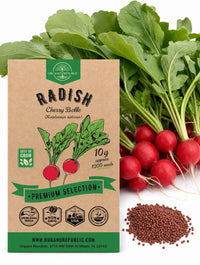
Cherry Belle Radish Seeds – Non-GMO HeirloomFast interplantSprouts in days to mark the slow carrot rows, loosens the soil, and is pulled early before carrots need the room.
Price$4.99Starting at$3.99
Sale

Beefsteak Tomato Seeds – Red, Non-GMO HeirloomHeirloom, non-GMOThe carrots-love-tomatoes match: tall plants give light shade that helps keep carrots from bolting in the heat.
Price$4.99Starting at$3.99
Sale

Marigold Seeds PackHeirloom, non-GMOBright blooms draw pollinators and pest predators while marigold roots help deter root-knot nematodes in the soil.
Price$12.99Starting at$8.99
Frequently asked questions
What should you not plant near carrots?
Keep carrots away from dill and fennel, which can cross-attract pests, and fennel is allelopathic, meaning it releases compounds that slow nearby plants. Avoid parsnips too, since they are in the same family and share pests and diseases with carrots. It is also best not to crowd carrots against heavy feeders like potatoes that compete hard for water and nutrients. Almost everything else makes a good carrot companion.
Can I plant carrots and onions together?
Yes, and it is one of the classic companion pairings. The strong scent of onions, and their relatives leeks and chives, masks the smell of carrots that draws in the carrot rust fly, the carrot's worst pest. Interplanting the two helps protect the roots, and gardeners often report cleaner, sweeter carrots when onions share the bed. Plant onions along the carrot row or in small clumps between plants.
Do carrots need companion plants?
Carrots do not strictly need companions, but the right ones make a real difference. Alliums like onions and chives, plus aromatic herbs like rosemary and sage, help mask the carrot scent that attracts carrot fly. Radishes loosen the soil and mark the slow rows, peas and beans feed the soil with nitrogen, and flowers like marigolds and nasturtiums pull in pollinators and steer pests away. Companion planting is an easy, natural way to grow healthier, straighter carrots.
What is the best companion plant for carrots?
If you pick one, make it onions or their allium cousins, chives and leeks. Their sharp, oniony scent is the single most effective way to confuse the carrot rust fly, which hunts your carrots by smell. Rosemary and sage do similar pest-masking work, and radishes are a close second for practical value because they mark the rows and loosen the soil. Most gardeners get the best results by combining an allium for pest defense with a flower for pollinators.
Can carrots and tomatoes grow together?
Yes. Carrots and tomatoes are the classic carrots-love-tomatoes pairing. Tall tomato plants cast light shade that can keep carrots from bolting in summer heat, and the two make efficient use of space because carrots grow below while tomatoes grow above. Give each room so the tomatoes do not shade the carrots too heavily, and you can grow both happily in the same bed.
Sale

Rainbow Carrot Seeds – Variety Pack, Non-GMO HeirloomStart hereTen heirloom carrot varieties in one pack. Start here, then plant onions and radishes alongside for straighter, sweeter roots.
Price$14.99
Sale Price$13.49

- Choosing a selection results in a full page refresh.











 Easy Returns 30-day guarantee