


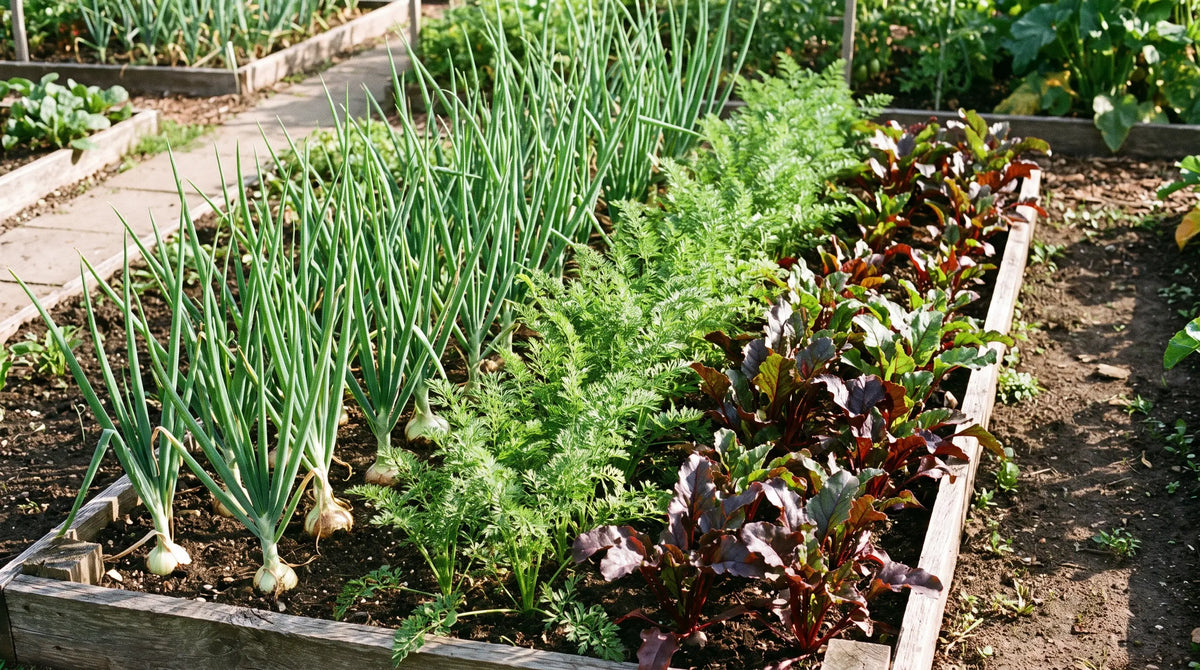
Onion Companion Plants: What to Grow and What to Avoid
Updated August 2026
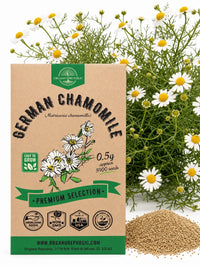
Onions are one of the most generous companions you can grow, and the plants you set beside them can make your whole bed healthier. The best onion companion plants are carrots, beets, lettuce, brassicas like cabbage, broccoli and kale, tomatoes, and strawberries, along with herbs like chamomile and summer savory. Onions give off a pungent, sulfur-rich scent that quietly repels aphids, carrot fly, and many other pests, which is exactly why so many crops thrive next door. Here is exactly what to plant with onions, what to keep away from them, and how to lay it all out.
For the bigger picture, see our full companion planting chart, or browse the types of onions worth growing.
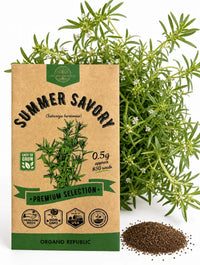
Plant onions with: carrots, beets, lettuce, brassicas (cabbage, broccoli, kale), tomatoes, strawberries, chamomile, and summer savory.
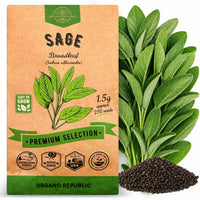
Keep onions away from: beans, peas, asparagus, and sage.
The best companion plants for onions
These are the companions that earn their place in an onion bed. Each one solves a specific problem, whether that is pest control, making smart use of space, or simply thriving alongside the onion's scent. As a fellow allium, onions share many of the same friends as our chives companion planting guide, so if you grow both you can plan them together.
Carrots
This is the classic mutual pairing and the reason most gardeners start companion planting in the first place. Carrot fly hunts by scent, and the strong smell of onions masks the carrots it is looking for. In return, carrot foliage gives off an aroma that helps repel onion fly, so each crop protects the other. Interplant the rows or alternate them, and both your carrots and onions come out cleaner.
Beets
Beets and onions are a tidy, space-smart pairing. The two use the soil differently, so their roots never fight for the same room, and both are happy sharing a sunny, well-drained bed. Slip beets between your onion rows and you get two root crops out of the same patch of ground.
Lettuce
Onions are slow and upright, which leaves plenty of open soil between the rows early in the season. Quick-growing lettuce fills that gap perfectly, shading the ground, holding in moisture, and crowding out weeds before the onions need the space. You will often harvest the lettuce long before the bulbs size up.
Brassicas (cabbage, broccoli, and kale)
The cabbage family is a magnet for aphids and other cabbage pests. Onions planted alongside brassicas like cabbage, broccoli, and kale help confuse and deter those pests with their strong scent, making alliums a natural fit at the edges of a brassica bed. It is the same trick gardeners use with brassicas and tomatoes, which you can read about in our tomato companion plants guide.
Tomatoes
Onions deter aphids and other soft-bodied pests that love to cluster on tomato stems. Tuck a few onions near the base of your tomatoes and let the scent do its quiet work. Just give the sprawling tomato plants room and let the onions edge the bed rather than sitting under the canopy.
Strawberries
A border of onions around a strawberry patch helps deter aphids and other pests, and the two crops coexist comfortably. Many growers find their berries crop a little more generously with onions standing guard nearby, and the upright onion leaves take up almost no room among the low strawberry runners.
Chamomile and summer savory
These are the herbs gardeners have long planted with onions to improve flavor and deter pests. Chamomile is said to strengthen the plants around it, while summer savory is a traditional onion partner believed to sharpen the bulbs' flavor and help keep pests at bay. Let a little of each flower to bring in the pollinators and beneficial insects that keep the whole bed in balance.
What not to plant near onions
Onions get along with almost everything, but there is one group to keep them well apart from: legumes.
- Beans and peas: Alliums like onions can stunt the growth of beans, peas, and other legumes, and are thought to inhibit their development. The two simply do not thrive side by side, so give them separate beds or opposite ends of the garden.
- Asparagus: Asparagus is another crop that does not appreciate an allium neighbor, so it is best not to plant onions right beside your asparagus crowns.
- Sage: Sage and onions are a poor match in the herb bed, so keep this pungent perennial away from your alliums and give it its own corner.
The reason is straightforward. Alliums and legumes have a long-recognized antagonism in the garden, where the presence of onion-family plants seems to hold back the growth of beans and peas. You do not need to know the exact chemistry to use the rule: keep onions and legumes apart, and plant onions with just about anything else.
Why companion planting works for onions
Companion planting is not folklore alone. With onions, it lines up with a few very practical strengths of the crop.
- They repel pests. The sulfur-rich, oniony scent of alliums helps deter aphids, carrot fly, and many other pests, lowering pressure on the crops around them without any spray.
- They fit anywhere. Onions are slim, upright, and slow to fill out, so they slot neatly into borders and the gaps between larger plants, sharing a bed without crowding their neighbors.
- They make good use of space. Because onions are so narrow, fast crops like lettuce and beets can tuck in between the rows and be harvested before the bulbs need the room.
- They protect their neighbors. From carrots to brassicas, the crops most troubled by scent-hunting pests benefit most from having onions standing guard nearby.
How to lay out onion companions
A little planning makes companion planting easy. Onions are compact and slow, so build the quicker crops around them.
- Alternate onions and carrots. Plant onions and carrots in alternating rows or interplant them, so the two scents overlap and each crop shields the other from its worst fly pest.
- Fill the gaps with quick crops. Tuck fast lettuce and beets between the onion rows early in the season. You will harvest them before the bulbs size up and need that ground.
- Edge your brassica beds. Run a line of onions around cabbage, broccoli, and kale so their scent forms a protective ring against cabbage pests.
- Keep legumes at a distance. Plant beans and peas well away from your onions, at the opposite end of the garden, so the alliums never hold back your legume harvest.
Space onions roughly 4 to 6 inches apart in full sun and well-drained soil, and let their quiet, pest-repelling scent look after the carrots, beets, and brassicas around them. If you want the full sowing and harvesting routine, our onion growing guide walks through it from seed to storage. And for another vine that loves good neighbors, see our cucumber companion plants guide. Below you will find the exact non-GMO, heirloom seeds we grow alongside our own onions.
The best companion plants
Sale

Rainbow Carrot Seeds – Variety Pack, Non-GMO HeirloomBest pairingThe classic mutual pairing: onion scent masks the carrots from carrot fly, and carrot foliage helps repel onion fly.
Price$14.99
Sale Price$13.49
Sale

Rare Beet Seeds Variety Pack – Non-GMO HeirloomSpace-saverBeets and onions share a bed happily, using different soil layers so the roots never compete for space.
Price$16.99
Sale Price$14.99
Sale

Iceberg Lettuce Seeds – Non-GMO HeirloomInterplantQuick lettuce fills the gaps between slow onion rows, using the space and shading out weeds early in the season.
Price$4.99Starting at$3.99
Sale

Siberian Kale Seeds – Dwarf, Non-GMO HeirloomPest defenseOnions planted among brassicas like kale help mask the crop from the aphids and cabbage pests that hunt by scent.
Price$5.99
Sale Price$4.99
Sale

Tomato & Tomatillo Seeds Variety Pack – Non-GMO HeirloomPest deterrentOnions tucked at the base of tomatoes help deter aphids and other soft-bodied pests with their pungent scent.
Price$19.99
Sale Price$16.99
Frequently asked questions
What should you not plant near onions?
Keep onions away from beans and peas. Alliums like onions can stunt the growth of legumes, so the two do not thrive side by side. It is also best not to plant onions right beside asparagus or sage, which do not appreciate an allium neighbor. Nearly everything else in the garden makes a good onion companion, so these are the main plants to keep apart.
Can I plant onions and carrots together?
Yes, and it is one of the most classic companion pairings there is. The strong scent of onions masks the smell of carrots that draws carrot fly, while carrot foliage in turn helps repel onion fly. Each crop protects the other, so interplanting the two rows or alternating them makes both harvests healthier. It is the pairing most gardeners reach for first.
Do onions need companion plants?
Onions do not strictly need companions, but the right ones make a real difference. Onions are slow, upright, and take up little room, so quick crops like lettuce and beets fill the space between rows. In return, the onion scent helps protect neighbors like carrots and brassicas from pests. Companion planting is an easy, natural way to grow a healthier, more productive onion bed.
What is the best companion plant for onions?
If you pick one, make it carrots. The onion and carrot pairing is the gold standard of companion planting because each crop repels the other's worst pest: onion scent confuses carrot fly, and carrot foliage helps deter onion fly. Beets and lettuce are close seconds for making smart use of the space between onion rows, and brassicas benefit from having onions nearby to mask them from pests.
Can onions and tomatoes grow together?
Yes. Onions and tomatoes are good companions. The pungent, sulfur-rich scent of onions helps deter aphids and other soft-bodied pests that cluster on tomato stems, so tucking onions near the base of your tomatoes gives them a little natural protection. Just remember onions are slow growers, so give the sprawling tomato plants enough room and let the onions edge the bed rather than crowding under the canopy.
Sale

Onion Seeds Variety Pack – Non-GMO HeirloomStart hereEight heirloom, non-GMO onion varieties in one pack, so you can plant sweet, red, and storage onions all season long.
Price$12.99
Sale Price$9.99

- Choosing a selection results in a full page refresh.











 Easy Returns 30-day guarantee