


How to Grow Beets From Seed
Updated July 2026
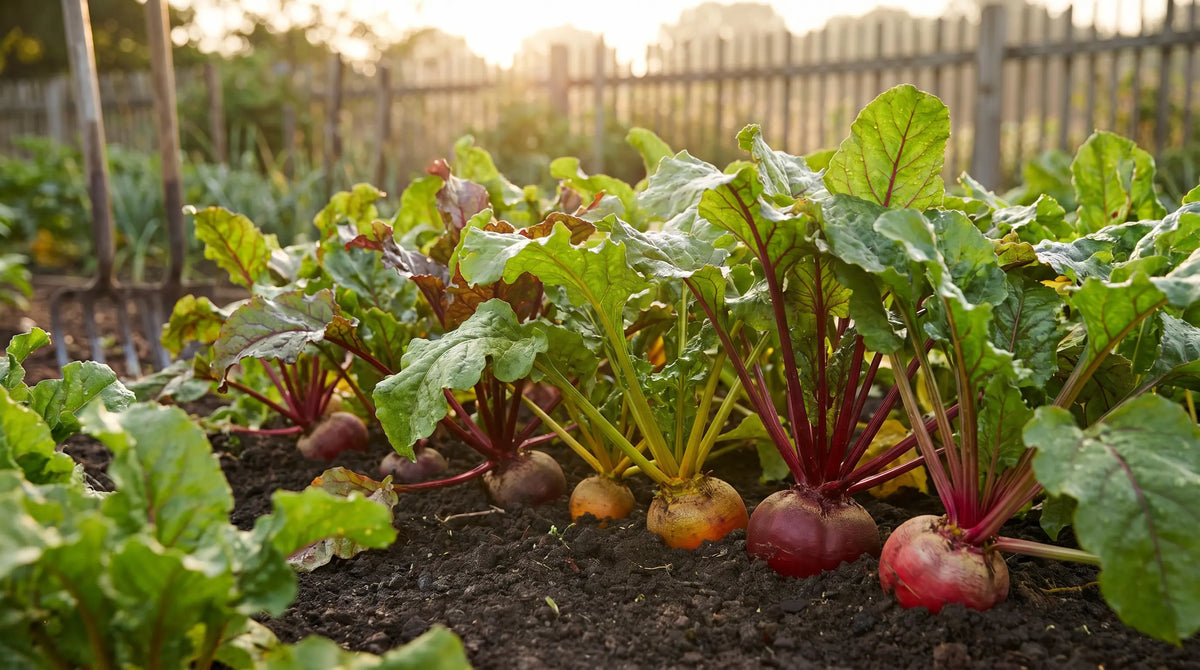
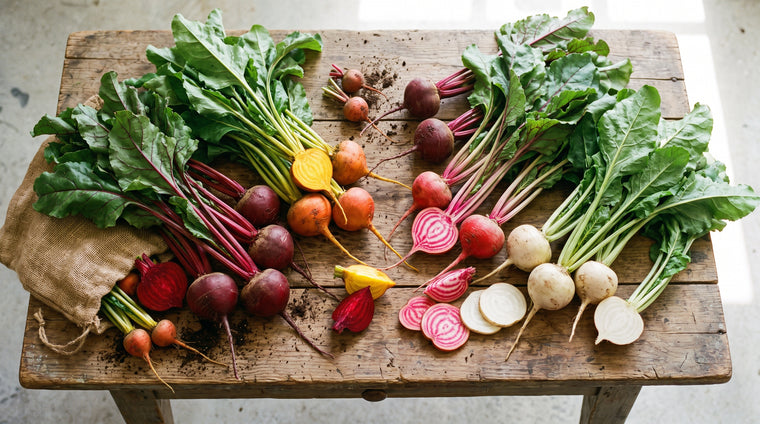
Beets are a fast, dual-purpose crop, giving you both sweet, earthy roots and tender, nutritious greens from a single sowing. Direct-sow them into cool, loose soil, thin the seedlings, and keep them evenly watered for round or cylindrical roots in deep red, gold, white, and candy-striped. This complete guide covers every step from seed to harvest, and it works for every beet we grow.
Growing a specific variety?
Best tip
At a glance
 Botanical name Botanical name | Beta vulgaris |
|---|---|
 Plant type Plant type | Cool-season biennial grown as an annual |
 USDA zones USDA zones | 2 to 11 (grown as an annual) |
 Sun Sun | Full sun to part shade (6+ hours) |
 Days to maturity Days to maturity | 50 to 60 days (up to 95 for sugar beets) |
 Height Height | 8 to 18 inches |
 Spacing Spacing | 3 to 4 inches apart |
 Water Water | Even and consistent; about 1 inch a week |
When to plant
How to plant
Growing and care
The best companion plants
Sale

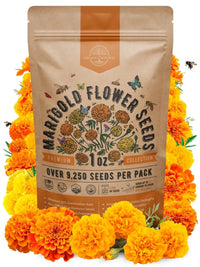
Marigold Seeds PackPest-deterring companionPlant marigolds along the beet row to repel nematodes and draw in beneficial insects.
Price$12.99Starting at$8.99
Sale

Nasturtium Seeds for Sale – Non-GMO HeirloomTrap crop for pestsNasturtiums lure aphids and leaf miners away from beets and cover bare soil as a living mulch.
Price$14.99Starting at$6.99
Sale

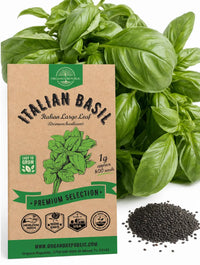
Holy Basil Seeds – Tulsi, Non-GMO HeirloomGood garden neighborBasil tucked between beets helps confuse pests and makes good use of the space above the roots.
Price$4.99Starting at$3.99
Harvest
Uses
Common problems
Frequently asked questions
How long do beets take to grow from seed?
Most beets are ready to harvest in about 50 to 60 days from direct sowing, though a few specialty types like sugar beets take 90 days or more. You can start pulling baby beets even earlier, and the greens are ready to thin and eat within a few weeks.
Should I start beets indoors or direct sow?
Beets are best direct-sown right where they will grow, since they resent transplanting and can develop misshapen roots if their taproot is disturbed. Sow them straight into cool, loose garden soil two to three weeks before your last frost, and again in late summer for a fall crop.
Why do I need to thin beet seedlings?
Each wrinkled beet seed is actually a cluster that sprouts several seedlings, so even careful sowing comes up crowded. Thin them to about 3 to 4 inches apart once they are a couple of inches tall, and eat the tender thinnings as salad greens. Without thinning, the roots stay small and misshapen.
Can you eat beet greens?
Yes. Both the roots and the leafy tops are edible, and the greens are one of the best parts of growing beets. Use young leaves raw in salads and cook larger ones like chard or spinach. Harvest a few outer leaves at a time so the root keeps sizing up.
What causes black spots inside beets?
Dark, corky spots or a black heart inside a beet are usually a sign of boron deficiency, most common in sandy or high-pH soils. Keep the soil evenly moist and enrich it with compost, and if the problem persists a light application of a boron source at planting can prevent it.
Do beets grow better in cool or warm weather?
Beets are a cool-season crop and taste sweetest when they mature in mild weather. Sow them in early spring and again in late summer for a fall harvest. In hot summer weather the roots can turn woody and the plants may bolt, so avoid sowing in the heat of midsummer.
Sale

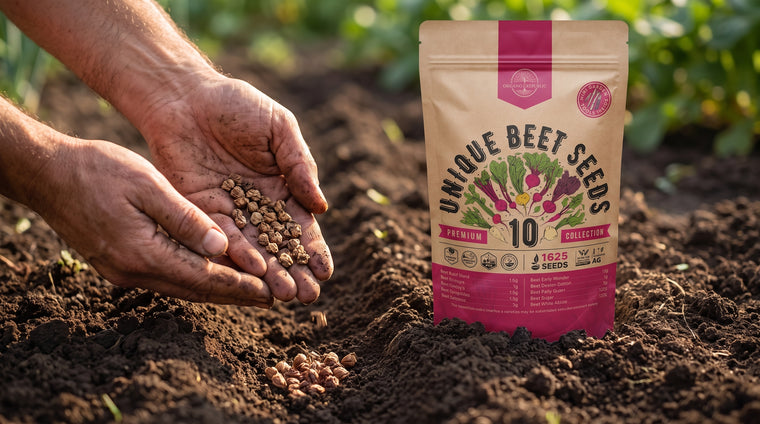
Rare Beet Seeds Variety Pack – Non-GMO Heirloom10 rare beet varietiesTen rare beet varieties in one pack, from deep red and golden to candy-striped Chioggia. The easiest way to grow a whole rainbow of roots.
Price$16.99
Sale Price$14.99
Want a whole bed of beets? These value packs bundle several varieties in one order:

- Choosing a selection results in a full page refresh.











 Easy Returns 30-day guarantee