


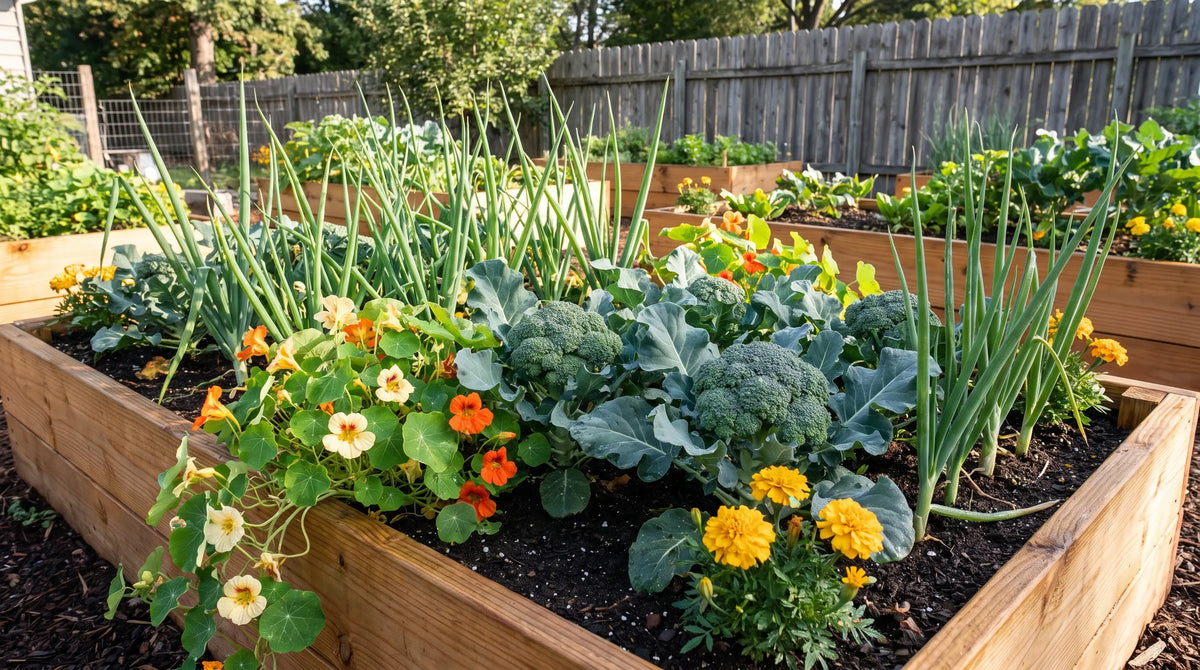
Broccoli Companion Plants: What to Grow and What to Avoid
Updated August 2026
Broccoli is one of the most pest-prone crops in the garden, and the plants you set beside it can decide how clean your heads come in. The best broccoli companion plants repel the cabbage moths and cabbage worms that shred brassica leaves, mask the crop's scent from pests, and pull in the beneficial insects that keep aphids in check. Here is exactly what to plant with broccoli, what to keep away from it, and how to lay it all out for a healthier bed.
For the bigger picture, see our complete companion planting chart for what to plant together across the whole garden.
Quick answer
Plant broccoli with: aromatic herbs (dill, rosemary, sage, thyme, mint), onions and garlic, nasturtiums, marigolds, beets, lettuce, spinach, celery, and chamomile.
Keep broccoli away from: other brassicas planted right beside it (cabbage, cauliflower, kale), heavy feeders like tomatoes, peppers, and eggplant, strawberries, and pole beans.
The best companion plants for broccoli
These are the companions that earn their place around broccoli. Each one solves a specific problem, whether that is pest control, soil, or making smart use of the space around those tall, leafy plants. If you are planting a whole brassica bed, it is worth reading our cabbage companion plants guide too, since the two crops share most of the same friends and foes.
Aromatic herbs (dill, rosemary, sage, thyme, mint)
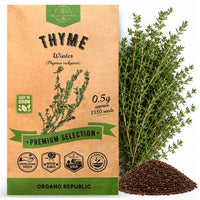
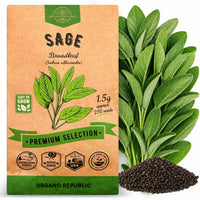
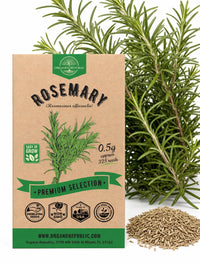
Strong-smelling herbs are broccoli's best defense against its worst enemies. Dill, rosemary, sage, thyme, and mint give off scents that confuse and deter cabbage moths and cabbage worms, which hunt by smell to find brassica leaves to lay eggs on. Dill and other flowering herbs also draw in tiny parasitic wasps and hoverflies that prey on those pests, so let a few plants bloom rather than cutting them all back.
Onions, garlic, and other alliums
Alliums are the classic broccoli companion. Their sharp, sulfur-rich scent masks the smell of the cabbage-family crop and repels aphids, cabbage worms, and other soft-bodied pests. A row of onions or garlic running alongside your broccoli forms a quiet scent barrier that pests would rather avoid. For more allium pairings, see our onion companion plants guide.
Nasturtiums
Nasturtiums work as a trap crop, drawing aphids and cabbage worms to themselves and away from your broccoli. Pests cluster on the nasturtiums, which keeps them off the heads and makes them easy to spot and deal with. As a bonus, the bright, open flowers pull in pollinators and the leaves and blooms are edible.
Marigolds
Marigolds are a garden workhorse for pest control. Their strong scent helps deter many pest insects, while their cheerful blooms attract beneficial ones like ladybugs and hoverflies that feed on aphids. Plant them around the edges of the broccoli patch for easy, colorful protection.
Beets
Beets make a tidy, low-competition neighbor for broccoli. They pull minerals up from the soil and their leaves return them when composted, and because beets grow low and root shallowly, they do not fight broccoli for light or nutrients. It is an easy pairing that squeezes more out of the same bed.
Lettuce and spinach
Shallow-rooted greens like lettuce and spinach make a perfect living mulch under tall broccoli. They shade the soil, hold in moisture, and crowd out weeds around the base of the plants, all while maturing fast enough to harvest before the broccoli fully takes over the space.
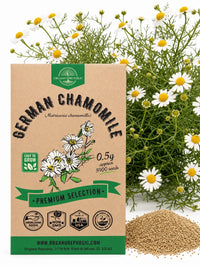
Celery and chamomile
Celery and chamomile are traditional broccoli companions that gardeners plant to improve growth and flavor. Chamomile is believed to strengthen nearby plants and its flowers feed pollinators, while celery's scent is thought to help deter cabbage pests. Both are gentle neighbors that ask for little room.
What not to plant near broccoli
A few neighbors do more harm than good. These are the ones to keep out of the broccoli patch.
Other brassicas (cabbage, cauliflower, kale)
Broccoli's own cousins are its riskiest neighbors. Cabbage, cauliflower, kale, and other brassicas attract the exact same cabbage moths, cabbage worms, and aphids, and they share soil diseases like clubroot. Planting them shoulder to shoulder concentrates all of that pressure in one spot. You can grow them in the same garden, but space them out, rotate where the brassica family goes each year, and tuck herbs or alliums between them.
Heavy feeders (tomatoes, peppers, eggplant)
Broccoli is a hungry plant that pulls a lot of nitrogen from the soil. Tomatoes, peppers, and eggplant are heavy feeders too, so growing them right next to broccoli sets up a tug-of-war for the same nutrients and water. Give these crops their own beds so neither side goes short.
Strawberries and pole beans
Strawberries and broccoli tend to compete and can share pests, so it is best to keep them apart. Pole beans are also better off in a separate spot: brassicas and climbing beans are a poor match, and the beans would rather not share ground with the cabbage family. Keep these to another part of the garden.
Why companion planting works for broccoli
Companion planting is not folklore alone. With broccoli, it lines up with a few very practical needs of the crop.
- Pest control. Broccoli is a favorite target of cabbage moths, cabbage worms, and aphids. Aromatic herbs and alliums mask its scent and drive pests off, while trap crops like nasturtiums pull them away from the heads.
- Beneficial insects. Flowers like marigolds and flowering herbs invite ladybugs, hoverflies, and parasitic wasps, the natural predators that keep aphid and caterpillar numbers down.
- Living mulch and ground cover. Low greens like lettuce and spinach shade the soil, hold moisture, and suppress weeds around the base of tall broccoli plants.
- Smart use of space and soil. Quick, shallow crops like lettuce and beets fill the gaps and add to the soil without competing with broccoli's roots.
How to lay out a broccoli companion garden
A little planning makes companion planting easy. Broccoli grows tall and leafy, so build the companions around it.
- Ring the bed with scent. Plant onions, garlic, and aromatic herbs like dill, sage, and thyme along the edges and between the broccoli so their scent forms a protective barrier against cabbage pests.
- Use flowers as bait and lures. Set nasturtiums nearby as a trap crop for aphids and cabbage worms, and dot marigolds around the border to draw in beneficial insects.
- Fill the floor with greens. Sow lettuce and spinach between the broccoli as a living mulch, and tuck in beets where you have room. You will harvest these fast crops before the broccoli needs the space.
- Keep brassicas and heavy feeders apart. Space cabbage, cauliflower, and kale away from your broccoli and rotate the brassica bed each year, and give tomatoes, peppers, and eggplant their own ground.
For the full sowing and care routine, see our broccoli growing guide, and if you are planning a leafy underlayer, our lettuce companion plants guide pairs well with this one. Get the neighbors right and your broccoli patch will be better protected, cleaner, and more productive. You can shop heirloom, non-GMO broccoli seeds anytime in our broccoli seeds collection. Below you will find the exact non-GMO, heirloom seeds we grow alongside our own broccoli.
The best companion plants
Sale

Onion Seeds Variety Pack – Non-GMO HeirloomPest repellentAlliums mask the cabbage-family scent and repel the pests that hunt broccoli.
Price$12.99
Sale Price$9.99
Sale

Culinary Herb Seeds Variety Pack – Non-GMO HeirloomDeters mothsAromatic dill, rosemary, sage, and thyme confuse cabbage moths and cabbage worms.
Price$12.99Starting at$9.99
Sale

Nasturtium Seeds for Sale – Non-GMO HeirloomTrap cropA trap crop that pulls aphids and cabbage worms away from your broccoli.
Price$14.99Starting at$6.99
Sale

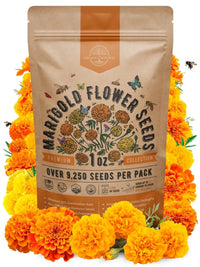
Marigold Seeds PackDraws beneficialsBright blooms deter pests and draw in the ladybugs and hoverflies that eat aphids.
Price$12.99Starting at$8.99
Sale

Rare Beet Seeds Variety Pack – Non-GMO HeirloomFeeds the soilBeets add minerals to the soil and stay out of broccoli's way underground.
Price$16.99
Sale Price$14.99
Frequently asked questions
What should you not plant near broccoli?
Keep broccoli away from other brassicas like cabbage, cauliflower, and kale, since planting them side by side concentrates shared pests and clubroot disease. Avoid heavy feeders such as tomatoes, peppers, and eggplant that compete for the same nutrients, and keep strawberries and pole beans in separate beds. Space or rotate brassicas rather than crowding them together.
What can I plant next to broccoli?
Plant broccoli with aromatic herbs like dill, rosemary, sage, thyme, and mint, plus onions, garlic, and other alliums that repel cabbage pests. Nasturtiums work as a trap crop for aphids and cabbage worms, marigolds draw in beneficial insects, and beets, lettuce, spinach, celery, and chamomile all make good, low-competition neighbors.
Do broccoli need companion plants?
Broccoli does not strictly need companions, but the right neighbors make it much easier to grow. Broccoli is a magnet for cabbage moths, cabbage worms, and aphids, so aromatic herbs, alliums, and trap crops like nasturtiums cut pest pressure without spraying, while flowers like marigolds bring in the beneficial insects that keep those pests in check.
What is the best companion plant for broccoli?
Aromatic herbs and alliums are the standout companions for broccoli. Dill, sage, thyme, and rosemary confuse and deter cabbage moths, while onions and garlic mask the crop's scent and repel a range of pests. If you want one flower to add, choose nasturtiums as a trap crop or marigolds to draw in beneficial insects.
Can broccoli and cabbage be planted together?
It is best not to plant broccoli and cabbage right beside each other. Both are brassicas, so they attract the same cabbage moths, cabbage worms, and aphids and share soil diseases like clubroot. Growing them together concentrates that pressure. You can grow both in the same garden, but give them space, rotate where the brassica family goes each year, and interplant herbs or alliums between them.
Sale

Vegetable Seeds Variety PackNon-GMO heirloomIncludes heirloom broccoli plus its favorite companions in one non-GMO pack.
Price$21.99Starting at$17.99

- Choosing a selection results in a full page refresh.









 Easy Returns 30-day guarantee