


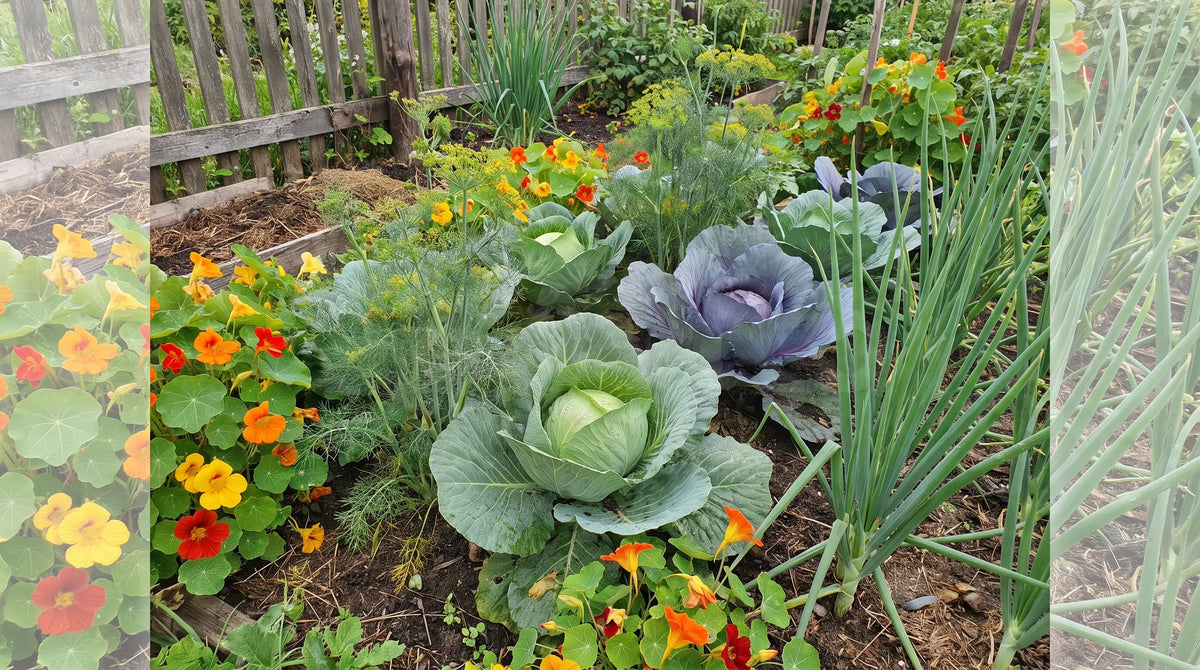
Cabbage Companion Plants: What to Grow and Avoid
Updated August 2026
The best companion plants for cabbage are strongly aromatic herbs like dill, chamomile, sage, thyme, rosemary, mint, and oregano, along with onions and garlic, nasturtiums, marigolds, beets, and celery. Cabbage is a favorite target of cabbage moths, cabbage worms, and aphids, so the whole idea behind these cabbage companion plants is to confuse, mask, and trap those pests while pulling in the pollinators and predators that keep a garden in balance. The one rule to hold onto: do not crowd cabbage with other brassicas, and keep it away from tomatoes, peppers, strawberries, and pole beans.
For the bigger picture, see our complete companion planting chart for what to plant together across the whole garden.
Plant cabbage with: dill, chamomile, sage, thyme, rosemary, mint, oregano, onions, garlic, nasturtiums, marigolds, beets, and celery.
Keep cabbage away from: other brassicas grown too close (broccoli, cauliflower, kale, Brussels sprouts), tomatoes, peppers, strawberries, and pole beans.
The best companion plants for cabbage
Cabbage earns a lot of pest pressure. Cabbage moths flutter in to lay eggs, those eggs become hungry cabbage worms, and aphids cluster in the folds of every head. The best companion plants for cabbage work by breaking that cycle with scent, decoys, and beneficial insects. Here is what to plant with cabbage and why each pairing works.
Aromatic herbs (dill, chamomile, sage, thyme, rosemary, mint, oregano)
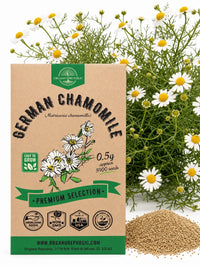
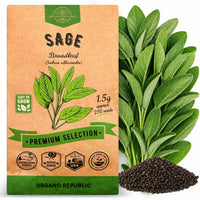
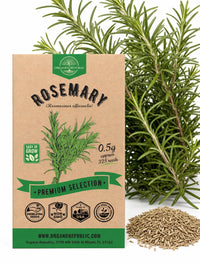
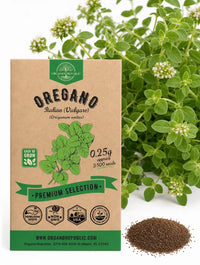
Strongly scented herbs are cabbage's best friends. Their oils confuse and deter the cabbage moths and cabbage worms that hunt by smell, so the moths struggle to find your heads in the first place. Dill and chamomile also flower and draw in the parasitic wasps and hoverflies that prey on cabbage worms, while chamomile has long been said to improve the flavor of nearby brassicas. Tuck these herbs along the edges and between your cabbages so their scent surrounds the crop.
Onions and garlic
Alliums are a classic cabbage pairing. Their sharp, sulfur-rich smell masks the scent of the cabbage that pests are searching for and directly repels aphids and other soft-bodied insects. Slip onions, garlic, or scallions between your cabbage heads to blur the crop and lower pest pressure without any spray. If you grow other alliums, our onion companion plants guide covers what pairs well with them, too.
Nasturtiums
Nasturtiums are the ultimate trap crop for cabbage. Aphids and cabbage worms find nasturtiums irresistible and pile onto them instead of your heads, keeping the damage off the crop you actually want to eat. Plant them at the edge of the bed, let them take the hit, and you can simply remove the worst-hit leaves. Their bright, edible flowers earn their place in the garden either way.
Marigolds
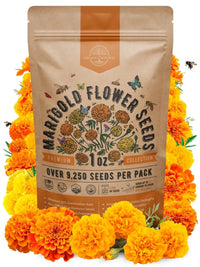
Marigolds are the workhorse companion of the vegetable patch. They help deter a range of pests, and their cheerful blooms bring in ladybugs, hoverflies, and other beneficial insects that feed on the aphids clustering on your cabbage. A low border of marigolds around a cabbage bed is easy, pretty, and genuinely useful.
Beets and celery
Not every companion has to fight pests. Beets and celery are good neighbors that share a bed with cabbage without competing much for space or nutrients, so they let you use the ground between heads efficiently. Celery is also traditionally said to help repel some cabbage pests, and both crop happily in the cooler conditions cabbage prefers.
Potatoes
In some garden layouts potatoes and cabbage can share space, since they occupy different levels of the bed and root zone. Give them room so neither shades or crowds the other, and keep an eye on watering, and this pairing can work where space is tight. If in doubt, favor the aromatic herbs and alliums above as your first-choice cabbage companions.
In almost every case the mechanism is the same: aromatic and allium plants hide the cabbage by scent, trap crops and flowers pull pests and predators where you want them, and good neighbors simply share the bed. Let a few of your herbs and marigolds flower so the whole cabbage patch gets the benefit.
What not to plant near cabbage
Cabbage gets along with a lot, but a few neighbors cause real trouble. These are the plants to keep away from cabbage.
- Other brassicas grown too close: broccoli, cauliflower, kale, and Brussels sprouts are all in the cabbage family, so they share the same pests and the same soil disease, clubroot. Crowding them together concentrates cabbage moths and worms and helps disease spread. Space brassicas out, and rotate where you plant them each year rather than growing them in the same spot. Our broccoli companion plants guide follows the same rules if you grow both.
- Tomatoes, peppers, and strawberries: these are heavy feeders and awkward neighbors for cabbage. Tomatoes and peppers compete strongly for nutrients and prefer warmer, different conditions, while strawberries can attract pests and compete at soil level. Give them their own beds.
- Pole beans: keep climbing pole beans separate from cabbage. They can shade the heads and the two simply grow better apart, so plant beans at the far end of the garden.
You do not need to memorize the chemistry. The rule is simple: do not pack cabbage in with its own family, and keep it clear of tomatoes, peppers, strawberries, and pole beans. Almost everything aromatic or allium is fair game.
Why companion planting works for cabbage
A few things make companion planting especially powerful for cabbage.
- It hides the crop from pests. Cabbage moths and cabbage worms find their target by smell. Aromatic herbs and alliums mask that scent, so far fewer pests ever land on your heads.
- It uses decoys and predators. Nasturtiums draw pests away as a trap crop, while flowering dill, chamomile, and marigolds invite the parasitic wasps, ladybugs, and hoverflies that eat aphids and cabbage worms directly.
- It keeps the soil healthy. Pairing cabbage with non-competing neighbors like beets and celery, and refusing to crowd it with other brassicas, spreads out pest pressure and reduces the buildup of clubroot and family-specific diseases.
Put together, companion planting lets you grow cleaner, firmer cabbage with far less spraying. For the full sowing and growing details, see our cabbage growing guide.
How to lay out cabbage and its companions
Cabbage takes up real space, so plan around the heads and tuck companions into the gaps. A few practical tips:
- Space the heads first. Set cabbage roughly 18 to 24 inches apart so each head has room to fill out, then use the space between and around them for companions.
- Ring each head with aromatics. Plant dill, thyme, chamomile, and other strong herbs between and around your cabbages so their scent forms a protective screen right where the moths hunt.
- Weave in onions and garlic. Slip alliums between the heads to mask the crop and repel aphids down at soil level.
- Push nasturtiums and marigolds to the edges. Line the border of the bed with nasturtiums as a trap crop and marigolds to pull in beneficial insects, keeping the worst pest activity away from the center.
- Rotate every year. Do not plant cabbage or any brassica in the same spot two years running, which starves clubroot and cabbage pests of an easy target.
Cabbage grows best in full sun and rich, firm, well-drained soil, and it pairs neatly with cool-season crops. If you grow salad greens nearby, our lettuce companion plants guide shares more low-competition neighbors for the same beds. Get the layout right and your companions will quietly protect your cabbage all season, and you can shop cabbage seeds anytime at /collections/cabbage-seeds.
The best companion plants
Sale

Onion Seeds Variety Pack – Non-GMO HeirloomBest pairingThe sulfur scent of onions masks the smell of cabbage and drives off aphids and cabbage pests. Interplant a few between heads to blur the crop cabbage moths are hunting for.
Price$12.99
Sale Price$9.99
Sale

Culinary Herb Seeds Variety Pack – Non-GMO HeirloomPest confuserStrongly aromatic dill confuses cabbage moths and cabbage worms, and its flowers pull in the wasps and hoverflies that prey on them. This herb pack gets dill going right beside your cabbage.
Price$12.99Starting at$9.99
Sale

Nasturtium Seeds for Sale – Non-GMO HeirloomTrap cropNasturtiums work as a trap crop, luring aphids and cabbage worms onto themselves and away from your heads. Plant them at the edge of the bed and let them take the hit.
Price$14.99Starting at$6.99
Sale

Marigold Seeds PackPest deterrentMarigolds deter a range of soil and leaf pests while their blooms draw in the ladybugs and hoverflies that eat aphids. A cheerful, easy edging for any cabbage bed.
Price$12.99Starting at$8.99
Sale

Rare Beet Seeds Variety Pack – Non-GMO HeirloomGood neighborBeets are easygoing neighbors that share a bed with cabbage without competing for the same root space or nutrients. Slip them between heads to use the ground efficiently.
Price$16.99
Sale Price$14.99
Frequently asked questions
What should you not plant near cabbage?
Keep cabbage away from other brassicas grown too close together, such as broccoli, cauliflower, kale, and Brussels sprouts, since they share the same pests and the soil disease clubroot. Also avoid planting cabbage next to tomatoes, peppers, and strawberries, and keep pole beans in a separate spot. Give brassicas room and rotate where you plant them each year.
What can I plant with cabbage?
Plant cabbage with strongly aromatic herbs like dill, chamomile, sage, thyme, rosemary, mint, and oregano that confuse cabbage moths and cabbage worms. Onions and garlic mask the crop and repel pests, nasturtiums act as a trap crop for aphids and cabbage worms, and marigolds deter pests while drawing in beneficial insects. Beets and celery make good, non-competitive neighbors.
Do cabbage need companion plants?
Cabbage does not strictly need companion plants, but it benefits a lot from them. Cabbage is a magnet for cabbage moths, cabbage worms, and aphids, and interplanting aromatic herbs, onions, nasturtiums, and marigolds lowers that pest pressure without sprays while pulling in pollinators and predatory insects. Companions make cabbage noticeably easier to grow cleanly.
What is the best companion plant for cabbage?
There is no single best companion, but the strongest all-rounders are aromatic herbs like dill and thyme and alliums like onions. Their scent confuses and masks the cabbage that cabbage moths and worms hunt for, giving you the biggest drop in pest damage. Pair them with nasturtiums as a trap crop and marigolds for beneficial insects for the best protection.
What keeps cabbage worms away?
Strongly aromatic herbs like dill, thyme, sage, and oregano help keep cabbage worms away by confusing the cabbage moths that lay the eggs. Nasturtiums draw the worms onto themselves as a trap crop, and onions and garlic mask the cabbage scent moths follow. Flowers like marigolds and dill also invite the parasitic wasps and predatory insects that hunt cabbage worms directly.
Sale

Vegetable Seeds Variety PackStart hereHeirloom, non-GMO cabbage seeds inside our best-selling vegetable pack. Grow firm, sweet heads and surround them with the companions above.
Price$21.99Starting at$17.99

- Choosing a selection results in a full page refresh.










 Easy Returns 30-day guarantee