


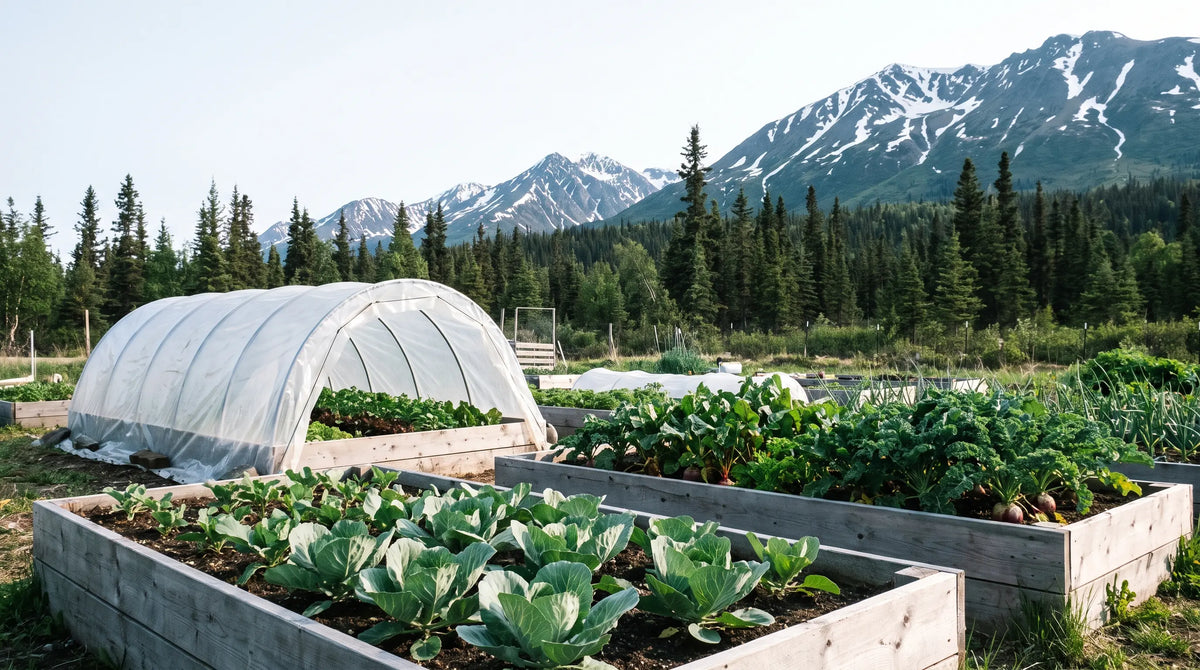
Zones 1 and 2 Planting Guide: Gardening in the Far North
Updated July 2026
Zones 1 and 2 cover the coldest ground anyone gardens on: interior and northern Alaska, subarctic Canada, and a few high mountain pockets where winter lows sit between about -60F and -40F and the frost-free stretch can be as short as 50 days. Gardening up here is mostly arithmetic. You count backward from a last frost that may not clear until June, you pick varieties by their days to maturity before you pick them by flavor, and you buy back weeks with lights, cold frames, and row cover. This guide lays out a zone 1 and zone 2 planting calendar, the crops that actually finish in time, the frost-date gap between zone 1 and zone 2, and how to pin down your own dates instead of trusting a regional average.
Zones 1 and 2 at a glance
These figures are typical ranges for the coldest USDA zones, not exact dates. Frost timing varies a lot from valley to ridge and year to year, so treat them as a starting point and confirm your own dates with the tool linked below.
- Coldest winter low: about -60F to -40F (zone 1a is the coldest, zone 2b the mildest of the group)
- Average last spring frost: late May into June
- Average first fall frost: late August to mid September
- Typical growing season: roughly 50 to 110 frost-free days (zone 1 at the short end, zone 2 at the long end)
- Where these zones are: interior and northern Alaska, subarctic Canada, and high-elevation mountain pockets
With a season this short, nearly every warm-season crop has to be started indoors and moved out as a transplant once the soil warms. Cold-hardy greens and roots can be direct sown, but even those benefit from a little protection at each end of the season.

Zone 1 and 2 planting calendar
Here is a realistic month-by-month planting schedule for the far north. Most of the action from January through April happens indoors under lights. The outdoor window is compressed into late May through September, so plan to make the most of it. Use this as your zone 1 and zone 2 planting calendar, then adjust the exact weeks to your own frost dates.
Zones 1 and 2 planting schedule at a glance
The whole planting schedule up here runs on a compressed clock. You start seeds indoors from late January through April, so that onions, brassicas, tomatoes, and peppers are sizeable transplants by the time the ground is ready. Plant-out lands in the last week of May or the first half of June once the frost risk passes, and the main harvest runs from July into September. There is no real fall sowing window in the far north. Anything sown past mid July needs to be a fast green finishing under cover.
| Month | Start indoors | Transplant / plant out | Direct sow outdoors | Harvest |
|---|---|---|---|---|
| January | Plan the season; start onions and leeks from seed under lights late in the month | Nothing outdoors | Nothing outdoors | Stored roots, sprouts, and microgreens indoors |
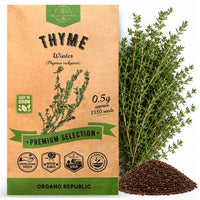
| February | Onions, leeks, celery, and slow herbs like parsley and thyme under lights | Nothing outdoors | Nothing outdoors | Indoor microgreens and sprouts |
| March | Peppers, early tomatoes, cabbage, broccoli, kale, and other brassicas indoors | Nothing outdoors | Nothing outdoors | Indoor greens and microgreens |
| April | Later tomatoes, squash, cucumbers (in pots, timed for late-May move-out), lettuce, and more brassicas | Harden off cold-hardy transplants toward month end | Nothing outdoors yet in most of the region | Indoor greens |
| May | Quick successions of lettuce and greens for later transplanting | After the frost passes (often late May), move out hardened brassicas, onions, and greens under row cover | Peas, radishes, spinach, and short-season carrots and beets once soil is workable | First cutting of overwintered or early indoor greens |
| June | Nothing (focus is outdoors) | Transplant tomatoes, peppers, squash, and cucumbers once nights stay above freezing, ideally into a cold frame, hoop house, or against a warm wall | More lettuce, radishes, beets, carrots, chard, and kale for a steady supply | Early radishes and thinnings of lettuce and greens |
| July | Nothing | Final tender transplants early in the month if needed | Fast greens, radishes, and a last sowing of short-season beets | Lettuce, spinach, peas, early carrots, radishes, and greens |
| August | Nothing | Nothing | Cold-tolerant greens like spinach and mustard for a fall cut under cover | Peak harvest: carrots, beets, potatoes, cabbage, kale, chard, peas, and the first greenhouse tomatoes |
| September | Nothing | Nothing | Nothing (frost usually arrives) | Finish the season: potatoes, root crops, hardy greens, and anything protected under cover before the first hard freeze |
| October | Onions and leeks late in the month for next year, indoors | Nothing | Nothing | Stored roots and any protected greens |
| November | Indoor microgreens and sprouts | Nothing | Nothing | Microgreens and stored produce |
| December | Rest, plan, and order seed; keep microgreens going indoors | Nothing | Nothing | Microgreens and stored produce |
The pattern is clear: the far north garden is built indoors in winter and spring, then transplanted out in a rush once the last frost passes. Choosing varieties that mature quickly is what makes it all come together before the first fall frost.
The best crops for zones 1 and 2
In the far north, the winners are cold-hardy, fast-maturing crops plus a few warm-season vegetables you start indoors and baby along under cover. Look for the shortest days-to-maturity you can find on the packet.
Fast, cold-hardy greens and roots (direct sow)
These shrug off light frost and mature quickly, so they are the backbone of a short-season garden. Great picks include lettuce, spinach, kale, arugula, mustard, chard, radishes, and peas. Short-season carrots and beets also do well when sown as soon as the soil is workable.
Cold-hardy transplants (start indoors)
Brassicas love the cool north. Start cabbage, broccoli, cauliflower, and kohlrabi indoors, then move them out under row cover. Potatoes and onions are reliable staples that store well through the long winter.
Warm-season crops with protection
Tomatoes and peppers can succeed if you choose the earliest short-season varieties and grow them in a cold frame, hoop house, or greenhouse. In zones 1 and 2 you start seeds indoors for tomatoes and peppers about 8 to 10 weeks before your last frost, which for most gardeners here means sowing peppers in early to mid March and tomatoes a couple of weeks later, for a move-out in early June. Summer squash and cucumbers work the same way, though they resent root disturbance, so start them in pots about 3 to 4 weeks out. Browse the full vegetable seed collection and filter for the shortest maturity dates.
When are the frost dates in zones 1 and 2?
Your last spring frost is the average date after which a killing frost is unlikely, and your first fall frost is when cold returns in autumn. The days between them are your frost-free growing season. In the far north that window is often just late May or June through early or mid September, but it shifts by hundreds of miles and thousands of feet of elevation across these zones, so a regional average only gets you so far.
For your exact local dates, use our interactive planting calendar tool. Enter your ZIP code and it returns your specific last and first frost dates, so you can pin down exactly when to start seeds indoors and when it is safe to plant out. This is the single most useful step for a far-north gardener, because a week either way can make or break a short season.
Zone 1 vs Zone 2: last and first frost dates
Zone 1 and zone 2 are both far-north zones, but they are not the same garden. Zone 1 is the harder of the two: spring frost usually hangs on into early or mid June, and the first fall frost can arrive in late August, which leaves some gardens with barely 50 usable days. Zone 2 typically gains a few weeks at each end. Frost clears somewhere between late May and mid June, and the first fall frost holds off until early or mid September, which is often enough for a short-season tomato under cover.
Those extra weeks change what is realistic. In zone 2 you can plan on carrots, beets, cabbage, and peas finishing outdoors without much fuss. In zone 1 you are leaning harder on transplants, cold frames, and the fastest varieties you can find. Elevation and terrain still move both sets of dates by weeks, and cold air sinking into a valley bottom can cost you a frost-free week that a slope half a mile away keeps, so use these as ranges and confirm your own.
| Zone | Average last spring frost | Average first fall frost | Growing season |
|---|---|---|---|
| Zone 1 | early to mid June | late August to early September | about 50 to 90 days |
| Zone 2 | late May to mid June | early to mid September | about 90 to 110 days |
What does USDA zone 1 and zone 2 mean?
USDA hardiness zones describe the average coldest winter temperature an area sees, in 10-degree bands, with each zone split into "a" and "b" halves. Zone 1a is the coldest in the country at around -60F, and the group runs up through zone 2b at about -40F. That number tells you which perennials, shrubs, and trees can survive your winter, so it is essential for choosing fruit bushes, berries, and hardy landscape plants.
One important note: the zone number describes winter cold, not your frost-free season directly. Two places can share a zone but have very different spring and fall frost dates. That is why annual vegetables are planned around frost dates (use the ZIP tool above), while the zone number guides your choice of hardy perennials.
Find your exact zone
If you are on the warmer edge of this range or unsure which zone you are in, check the neighboring guide. Gardeners in slightly milder areas should read our Zone 3 planting guide, which covers a longer season and a broader crop list.
The best companion plants
Frequently asked questions
What can I plant in Zones 1 and 2 right now?
It depends on the season. In winter and early spring (January to April), plant nothing outdoors and instead start onions, brassicas, tomatoes, and peppers indoors under lights. Once your last frost passes, usually late May into June, direct sow peas, radishes, spinach, short-season carrots and beets, and move out hardened transplants. Enter your ZIP code in our planting calendar tool at /pages/planting-calendar for your exact local dates.
When is the last frost in Zones 1 and 2?
In the far north, the average last spring frost typically falls from late May into June, and the first fall frost often arrives from late August to mid September. These are broad ranges, and your exact dates depend heavily on your elevation and location. Use the interactive tool at /pages/planting-calendar and enter your ZIP code for your specific last and first frost dates.
What vegetables grow best in Zones 1 and 2?
Fast, cold-hardy crops are the winners: lettuce, spinach, kale, arugula, mustard, chard, radishes, peas, and short-season carrots and beets. Brassicas like cabbage, broccoli, and cauliflower do well started indoors, and potatoes and onions store through the long winter. Tomatoes and peppers are possible if you pick the earliest varieties and grow them under cover in a cold frame or greenhouse.
How long is the growing season in Zones 1 and 2?
The frost-free growing season in the coldest USDA zones is short, typically about 50 to 90 days between the last spring frost and the first fall frost. This is why season extension like cold frames, row cover, hoop houses, and greenhouses is so valuable, and why short-maturity varieties matter. Check /pages/planting-calendar with your ZIP code to see your own season length.
When should I start seeds indoors in Zones 1 and 2?
Start the slowest crops first. Onions and leeks can go under lights in late January and February, brassicas and peppers in March, and tomatoes, squash, and cucumbers in April so they are ready to move out after the late-May or June frost. Because the outdoor window is so short, starting transplants indoors early is essential. Confirm your last frost date at /pages/planting-calendar to time your indoor sowing precisely.

- Choosing a selection results in a full page refresh.









 Easy Returns 30-day guarantee